
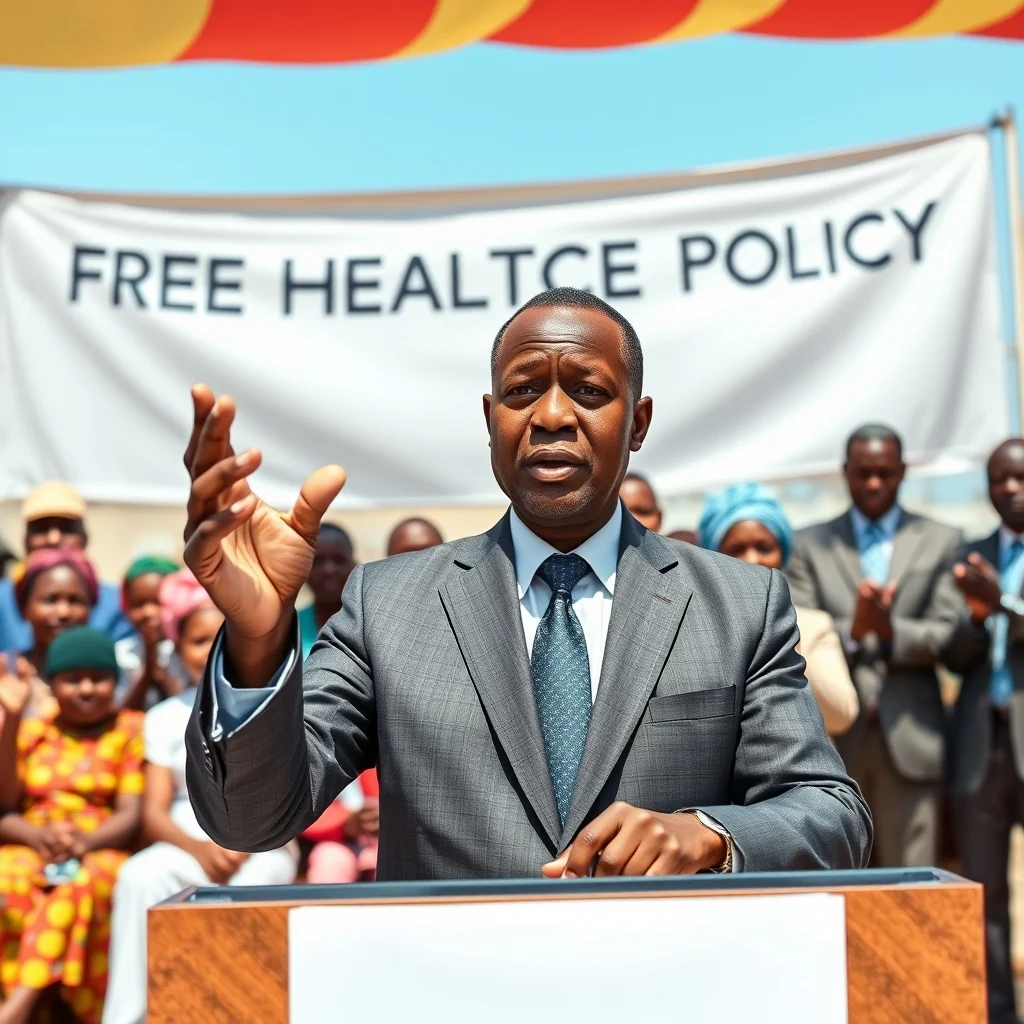
The Oti Region officially welcomed the Free Primary Healthcare (FPHC) Policy on Saturday, May 9, with the Health Minister, Kwabena Mintah Akandoh, leading the launch in Dambai. This policy marks a significant step by the government to bolster Ghana’s healthcare infrastructure and broaden access to essential medical services for its citizens.
Expanding Healthcare Access
The FPHC Policy, initially introduced earlier this year by John Dramani Mahama in the Greater Accra region, aims to bridge existing gaps in primary healthcare delivery. It ensures the provision of free basic medical services at designated facilities nationwide.
Minister Akandoh stated that the programme will work in conjunction with current healthcare initiatives, notably the National Health Insurance Scheme (NHIS). It directly supports the government’s commitment to achieving equitable healthcare access for all Ghanaians.
Service Delivery Points and Reach
Approved service delivery points under the FPHC policy include Community-based Health Planning and Services (CHPS) compounds, public health units within polyclinics, community pharmacies, health kiosks, mobile clinics, and community outreach centres.
To enhance accessibility, health kiosks will be strategically deployed in communities lacking CHPS compounds and situated in high-traffic public areas such as markets and lorry parks. This ensures healthcare is brought closer to where people live and gather.
Policy Scope and NHIS Integration
Minister Akandoh clarified that the FPHC policy is designed to complement, not replace, the NHIS. He encouraged all citizens to register or renew their NHIS membership. Under the FPHC, common ailments like malaria and cholera will be treated at no cost at approved primary healthcare facilities.
Addressing Non-Communicable Diseases
The Health Minister also voiced concerns regarding the rising incidence of non-communicable diseases (NCDs), including cancer, hypertension, stroke, and kidney disease. He attributed this trend to lifestyle factors such as poor dietary habits, lack of physical activity, and late-night eating.
Public health education is a cornerstone of the FPHC policy. Minister Akandoh urged Metropolitan, Municipal, and District Chief Executives (MMDCEs), religious leaders, assembly members, and other stakeholders to actively support the policy’s successful implementation.
Regional Commitment
The Oti Regional Minister, John Kwadwo Gyapong, pledged the Regional Coordinating Council’s full support to ensure the programme’s smooth rollout. He acknowledged the region’s existing healthcare challenges.
Mr. Gyapong expressed confidence that the FPHC initiative will significantly improve healthcare delivery and accessibility throughout the Oti Region, offering a vital boost to the well-being of its residents.
Looking Ahead
The successful launch in the Oti Region sets a precedent for the policy’s expansion to other regions. The focus will now shift to monitoring the implementation, addressing any logistical hurdles, and evaluating the impact of free primary healthcare services on public health outcomes. Key indicators to watch will include uptake of services, reduction in out-of-pocket healthcare expenditure for common illnesses, and improved health awareness, particularly regarding NCD prevention. The integration with the NHIS will also be crucial to observe, ensuring a comprehensive healthcare safety net for all Ghanaians.










Leave a Reply