
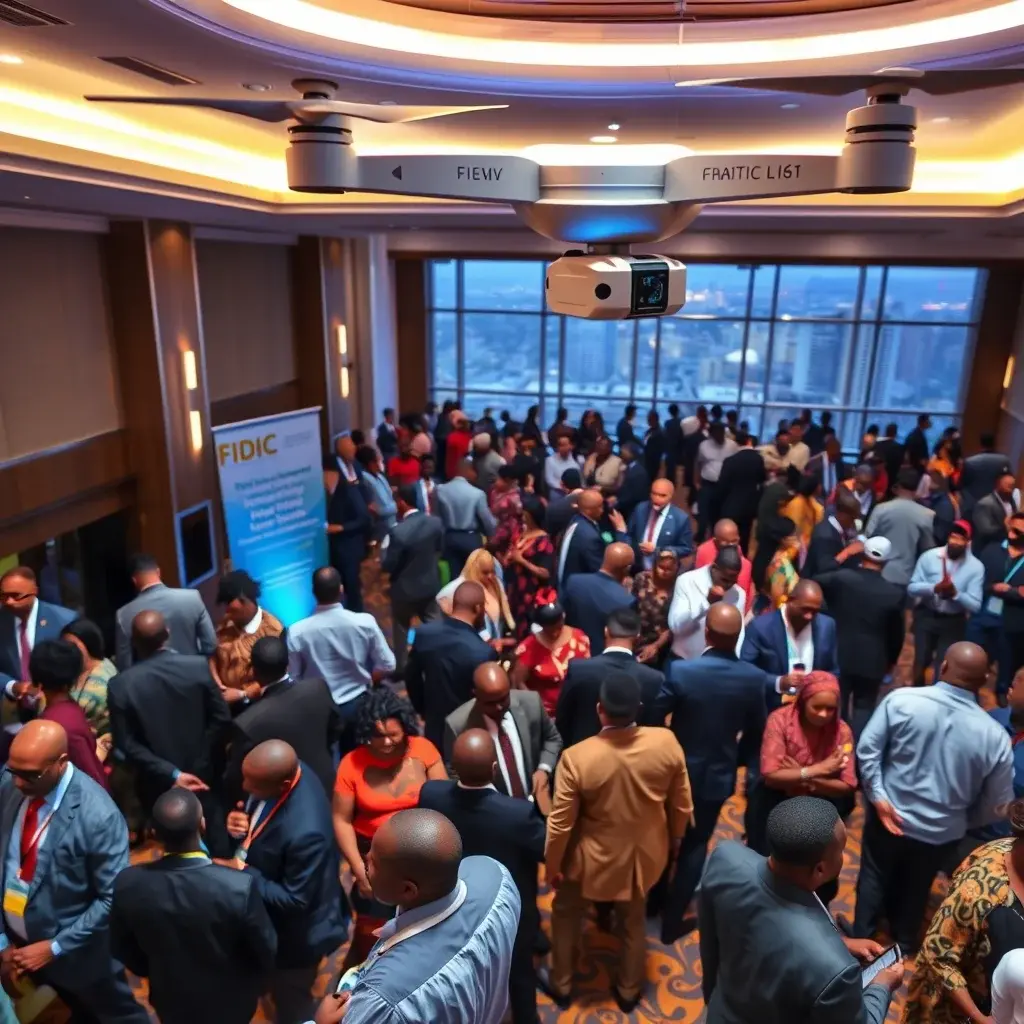
Accra, Ghana – May 11, 2026 – The 31st FIDIC Africa Infrastructure Conference (FAIC) 2026 commenced today in Accra, Ghana, bringing together international and African delegates, financial institutions, government officials, and industry suppliers. The conference, hosted by the Ghana Consulting Engineers Association (GCEA), aims to foster collaboration and innovation for sustainable infrastructure development across the continent under the theme “Future Ready Infrastructure: Advancing Africa through innovation and sustainability.” The opening ceremony features former Minister for Finance, Seth Emmanuel Terpker, as the Special Guest of Honour and Minister for Works, Housing and Water Resources, Kenneth Gilbert Adjei, as the keynote speaker.
Context of the Conference
The FIDIC Africa Infrastructure Conference is a key annual event organized by FIDIC Africa, established in 1992 to promote consulting engineering practices throughout the African continent. FIDIC, the International Federation of Consulting Engineers, founded in 1913, represents national associations of consulting engineers from over 88 countries worldwide. Its mission includes advancing the strategic goals of the consulting engineering industry and disseminating relevant information and resources to its members.
This year’s conference, scheduled from May 10th to May 13th, 2026, at the Movenpick Ambassador Hotel in Accra, serves as a crucial platform for professionals and stakeholders in the built environment. It offers a space for in-depth discussions, knowledge exchange, and the identification of practical solutions for building resilient and inclusive infrastructure.
Driving Innovation and Sustainability in African Infrastructure
The central theme, “Future Ready Infrastructure: Advancing Africa through innovation and sustainability,” underscores the critical need for forward-thinking approaches to infrastructure development. Delegates are exploring how to leverage innovation and sustainable practices to address the continent’s evolving needs.
Ing Kwabena Bempong, President of the Ghana Consulting Engineers Association (GCEA), highlighted the conference’s significance. He stated that FAIC provides an essential forum for practitioners to brainstorm and set a clear direction for developing infrastructure that can withstand future challenges. The GCEA, comprised of legally constituted and registered consulting engineering firms in Ghana, was selected to host this significant event.
Key Participants and Focus Areas
The gathering attracts a diverse range of participants, including representatives from international financial institutions such as the World Bank, government officials responsible for infrastructure projects, and suppliers of essential equipment and materials. This broad participation ensures a comprehensive discussion covering policy, finance, technology, and execution.
Discussions are expected to delve into topics such as smart city development, renewable energy integration, sustainable water and sanitation systems, and resilient transportation networks. The focus remains on creating infrastructure that not only supports economic growth but also enhances the quality of life for African citizens while minimizing environmental impact.
Implications for the Continent and Industry
The outcomes of the 31st FAIC are poised to have significant implications for Africa’s trajectory in infrastructure development. By fostering collaboration and sharing best practices, the conference aims to accelerate the implementation of sustainable and innovative projects across the continent.
For industry professionals, the conference offers invaluable networking opportunities and insights into emerging trends and technologies. It also serves to strengthen the role of consulting engineers in shaping Africa’s future development landscape. The emphasis on sustainability and resilience is critical for ensuring that infrastructure investments are long-term and beneficial to both economies and environments.
Looking Ahead
As the conference progresses, attention will be on the specific strategies and commitments that emerge from the discussions. The focus on “Future Ready Infrastructure” suggests a shift towards proactive planning and the adoption of cutting-edge solutions. Observers will be watching to see how the insights gained in Accra translate into tangible projects and policy changes that advance Africa’s development goals in the coming years, particularly in areas of climate adaptation and digital transformation within the infrastructure sector.










Leave a Reply