
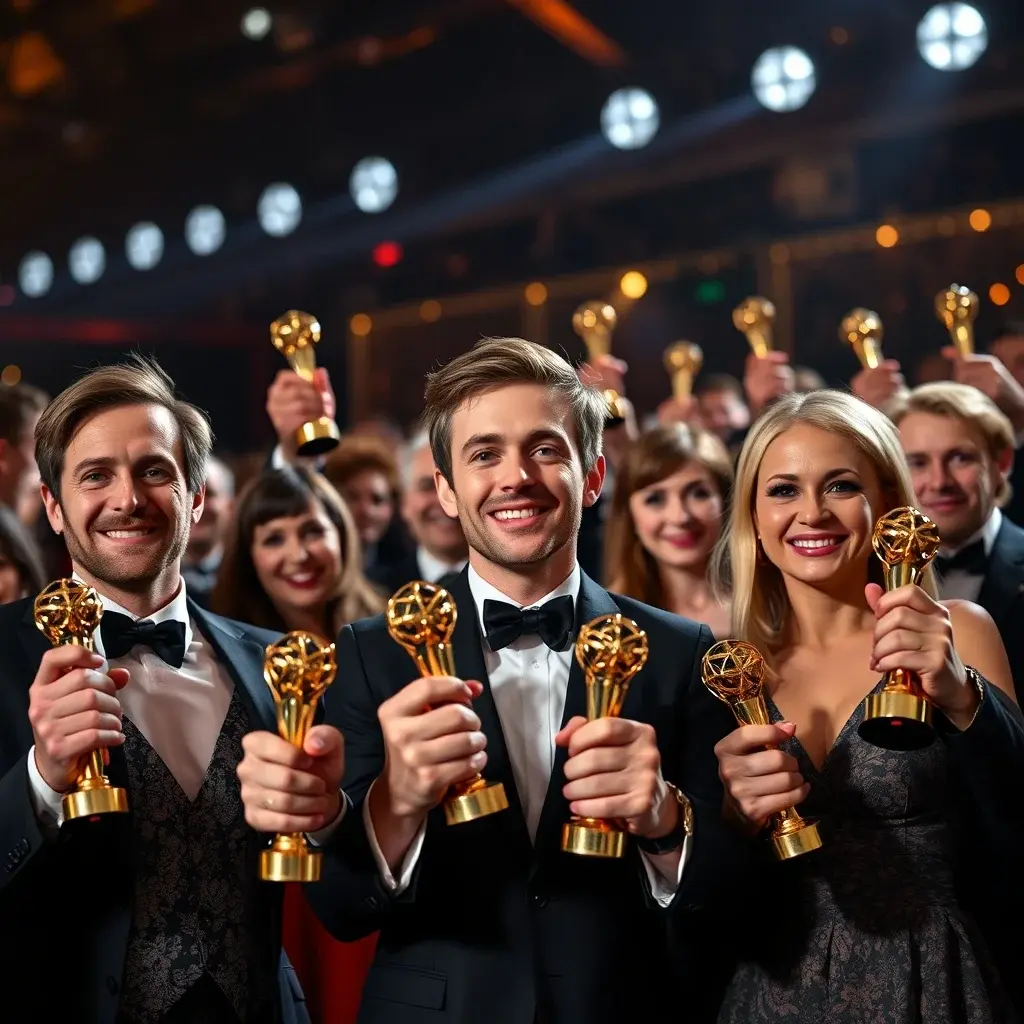
Netflix drama Adolescence made history at the Bafta Television Awards on Sunday, securing a record-breaking four wins, including Best Limited Series. The hard-hitting series, which sparked national conversation upon its March 2025 release, also saw its stars Stephen Graham, Owen Cooper, and Christine Tremarco take home acting honours. The Celebrity Traitors and Last One Laughing also garnered multiple awards during the ceremony.
Record-Breaking Success for Adolescence
Adolescence‘s triumph marks a significant moment in Bafta TV Awards history, with its four wins surpassing previous records for a single year. The drama’s critical acclaim and cultural impact were clearly reflected in the academy’s choices.
Owen Cooper, at just 16 years old, became the youngest ever recipient of the Best Supporting Actor award for his powerful performance. Cooper’s portrayal of a boy accused of murder has already earned him an Emmy, Golden Globe, National Television Award, Royal Television Society Award, and an Actor Award, making his Bafta win another significant addition to his burgeoning collection.
Accepting his award, Cooper invoked John Lennon, stating, “In the words of John Lennon, you won’t get anything unless you have the vision to imagine it. So in my eyes I think you only need three things to succeed: one, you need an obsession; two, you need a dream; and, three, you need the Beatles.”
Stephen Graham, a seven-time nominee, finally secured his first Bafta for Best Leading Actor, playing Cooper’s on-screen father. Christine Tremarco won Best Supporting Actress for her role as Cooper’s mother, further cementing the drama’s acting prowess.
Graham used his acceptance speech to encourage aspiring young actors. “We’re not digging holes, we’re not digging ditches, we’re not saving lives, but we have the opportunity to tell the human condition, and we have the obligation to tell beautiful stories and we need to keep that going,” he urged.
Powerful Performances and Personal Tributes
Narges Rashidi, born in Iran, earned the Best Leading Actress award for her portrayal of Nazanin Zaghari-Ratcliffe in BBC One’s Prisoner 951. Rashidi dedicated her award to the British-Iranian woman and her family, highlighting their “resilience, dignity, [and] love through impossible circumstances.”
The award for Best Drama was presented to ITV’s Code of Silence, which featured Rose Ayling-Ellis as a deaf woman assisting police through lip-reading. This win underscores the growing recognition for diverse storytelling and representation on screen.
Reality and Comedy Shine
The Celebrity Traitors, which captivated over 15 million viewers, was crowned Best Reality Programme. Host Claudia Winkleman accepted the award, dedicating it to the “extraordinary cast who played with dignity, gusto and their entire hearts.”
Alan Carr’s win on the show was voted the year’s most memorable TV moment by the public. Carr humorously questioned his success, asking, “Was I good? Was I really – or were the other celebrities just thick?!”
Prime Video’s Last One Laughing secured the Best Entertainment Programme award, triumphing over established BBC shows. Bob Mortimer’s win for Best Entertainment Performance in the same series recognized his comedic talent in keeping a straight face amidst rivals.
Steve Coogan won Best Actor in a Comedy for How Are You? It’s Alan (Partridge), expressing the importance of comedy in challenging times. He vowed to continue playing the iconic character, stating, “I will keep on doing it. If anyone wants to know when Alan Partridge is going to die, it’s about the same time that I am going to die.”
Katherine Parkinson received the Best Comedy Actress award for her role in Here We Go, while Amandaland took home Best Scripted Comedy, with creator Holly Walsh dedicating the award to those undergoing reinvention.
Documentary Wins and Controversies
Gaza: Doctors Under Attack, a documentary initially dropped by the BBC due to impartiality concerns, won the Current Affairs prize. Reporter Ramita Navai accepted the award, thanking Channel 4 for broadcasting the film and questioning the BBC’s decision. Ben de Pear, founder of Basement Films, directly addressed the BBC during his speech.
Netflix’s Grenfell: Uncovered, examining the 2017 Grenfell Tower fire, won Best Single Documentary. In other categories, EastEnders was named Best Soap, Scam Interceptors won Best Daytime Show, and Go Back To Where You Came From picked up the Factual Entertainment prize.
Lifetime Achievement and Special Awards
Dame Mary Berry, aged 91, was honoured with the prestigious Bafta Fellowship for her lifetime achievement. Acknowledging the accolade, she expressed her gratitude as a cook and teacher.
Financial expert Martin Lewis received a Special Award, becoming emotional as he accepted it. He dedicated the award to consumer journalism, reflecting on how it transformed his life from that of a “broken, scared boy” to a campaigning journalist.
Looking Ahead
The Bafta TV Awards showcased a diverse range of compelling storytelling, from the record-breaking success of Adolescence to the impactful documentaries and beloved comedy series. The wins highlight a growing trend towards nuanced dramas tackling difficult subjects and the continued strength of British television across various genres. The discussions surrounding Gaza: Doctors Under Attack also bring to the forefront the critical role of broadcasters in presenting challenging truths and the public’s appetite for unvarnished reporting. Audiences can anticipate further exploration of complex social issues and a continued demand for authentic, character-driven narratives in the coming year.





Leave a Reply