
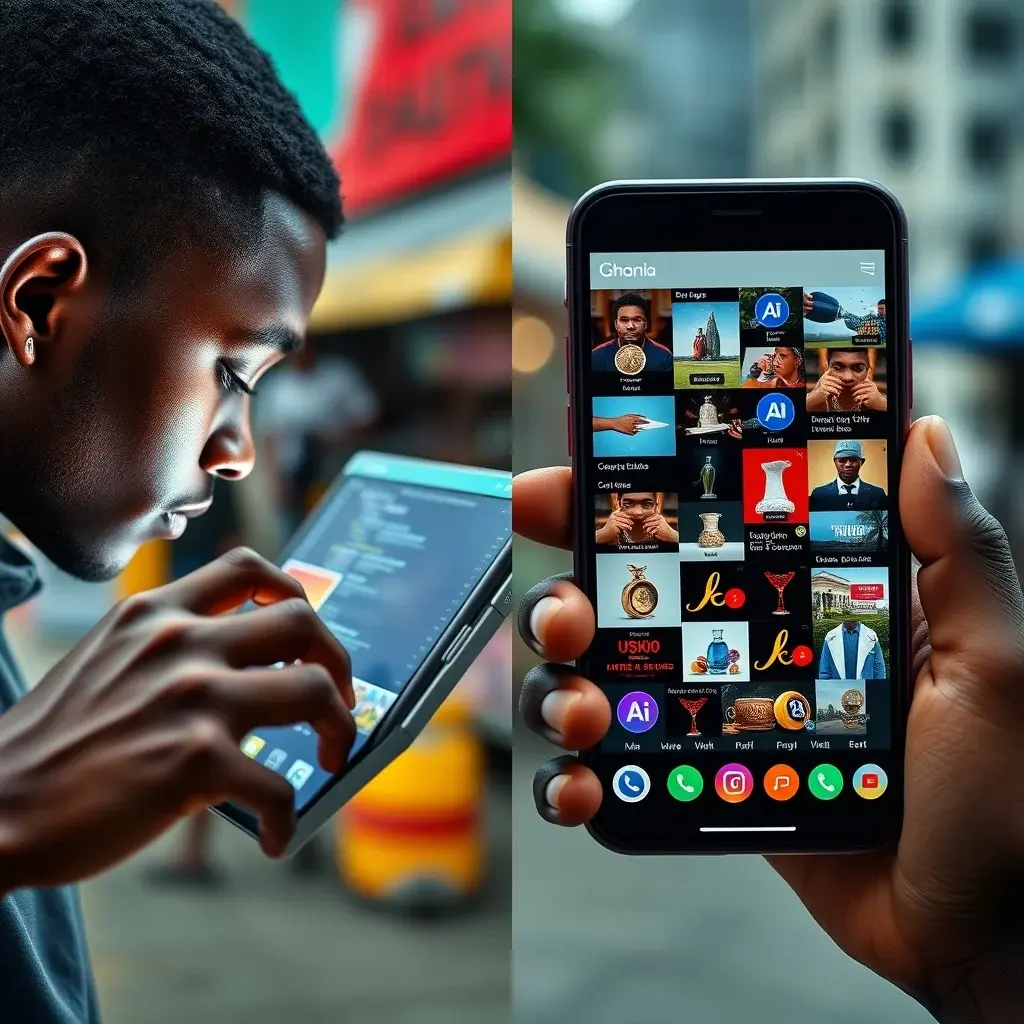
In Ghana, the widespread availability of affordable mobile data, primarily driven by competitive telecom pricing, has inadvertently led to a significant portion of the youth population engaging in unproductive online activities, raising concerns about societal development and economic advancement. This trend, observed across various demographics, highlights a critical gap between digital access and purposeful digital utilization, particularly among young Ghanaians.
The Digital Divide: Access vs. Application
While Ghana has made strides in internet affordability, making data packages accessible to a broader segment of the population, the actual usage patterns reveal a concerning tilt towards social media, online betting, gossip, and consumption of entertainment or aspirational content. This diverts considerable time and energy away from the vast array of free online educational resources available for vocational skills, technical training, and professional development.
The internet offers readily available opportunities to learn coding, graphic design, agricultural techniques, plumbing, accounting, artificial intelligence, and various languages. However, current data consumption trends suggest that a substantial amount of time is spent on activities that do not directly contribute to skills acquisition or economic empowerment.
Societal Values and Digital Aspirations
This phenomenon is not solely attributable to the users. Societal perceptions increasingly appear to value visibility and outward displays of success over tangible skills and productive contributions. Young individuals demonstrating vocational expertise online may garner less admiration than those showcasing luxury lifestyles or unverified achievements on social media platforms.
While leisure and entertainment are acknowledged as necessary components of life, the prevailing indicators point towards a significant imbalance. The primary focus of internet consumption seems to be drifting away from productivity-oriented learning and economic advancement.
Shifting the Conversation: From Affordability to Purpose
It is therefore imperative to shift the national discourse surrounding internet access. The conversation must evolve beyond mere affordability to encompass purpose, digital orientation, and productivity. The same smartphone, a ubiquitous device, holds the potential to function as a classroom, a design studio, a marketing office, a technical school, or a global storefront.
However, for a considerable number of users, these devices are increasingly becoming instruments for online betting, spreading gossip, or engaging in fraudulent activities. This stark contrast underscores the urgent need for intervention.
A Collective Responsibility for Digital Literacy
Addressing this challenge requires a multi-stakeholder approach involving parents, educational institutions, religious organizations, telecommunication companies, and the government. Promoting productive digital habits should be a shared objective.
Initiatives such as robust vocational discovery campaigns online, the development of educational content in local languages, and the establishment of platforms for matching apprentices with mentors are crucial. Furthermore, practical digital literacy training must extend beyond basic social media navigation to encompass the productive applications of digital tools.
Future Implications: The Cost of Unchecked Consumption
Without a concerted effort to reorient digital usage, the promise of cheap data risks yielding the unintended consequence of fostering shallow thinking and incurring significant national costs. The primary beneficiaries of this trend currently appear to be the telecommunication companies, while the broader societal gains remain elusive.
Looking ahead, the focus must be on developing and promoting accessible, localized digital learning platforms and actively encouraging vocational training through online channels. The success of Ghana’s digital future hinges not just on providing access, but on cultivating a culture of purposeful and productive online engagement among its youth.










Leave a Reply