
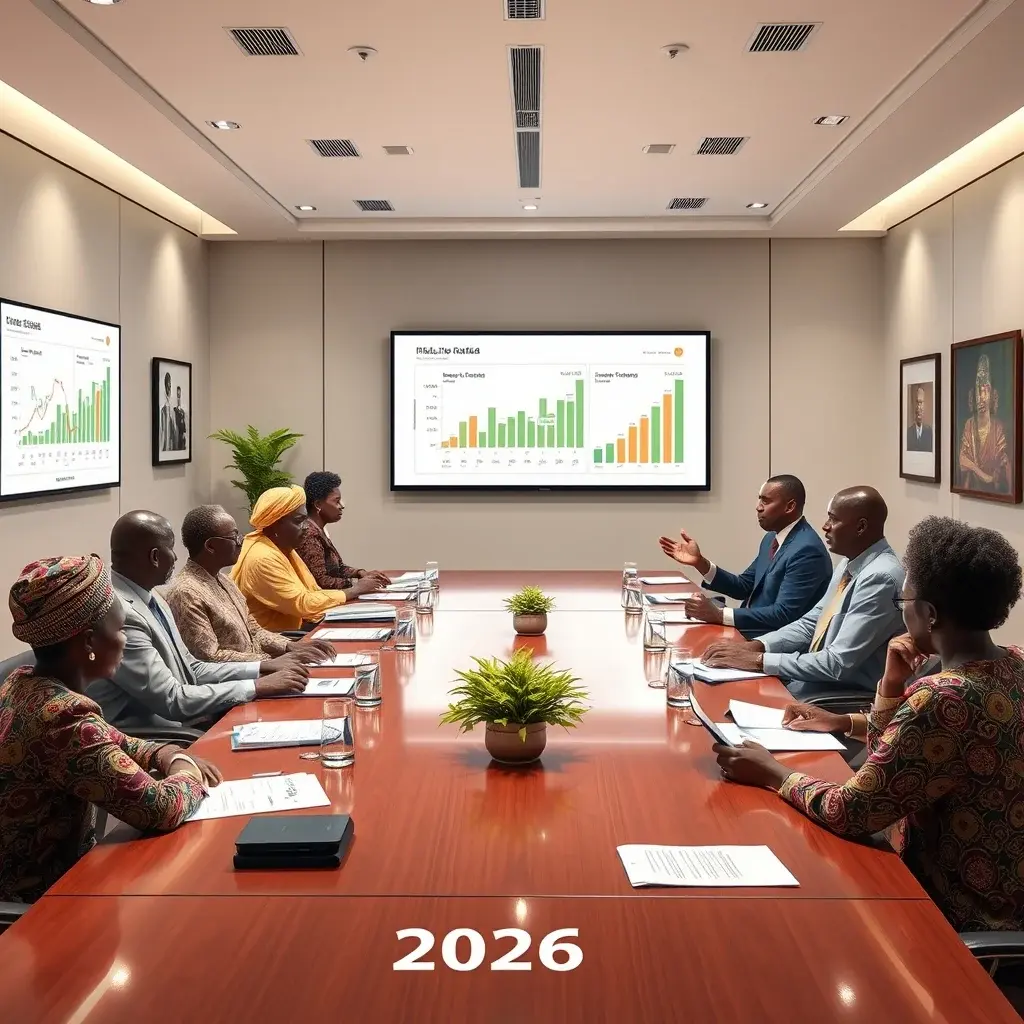
A delegation from the International Monetary Fund (IMF) is poised to conclude the sixth and final review of Ghana’s Extended Credit Facility (ECF) programme on Friday, May 15, according to sources close to the engagement. The mission, led by Ruben Atoyan, commenced its two-week assessment in Accra on April 29, 2026, aiming to evaluate the nation’s progress and pave the way for the final disbursement of funds.
Progress and Lingering Concerns
Sources indicate that discussions between Ghanaian government officials and the IMF team have largely proceeded as anticipated, remaining broadly on track. However, persistent challenges within the energy sector, particularly concerning funding, restructuring, and fiscal pressures, continue to be a point of focus. In contrast, the Fund has expressed satisfaction with the measures implemented in the monetary and banking sectors, especially regarding banks with substantial government ownership. Nonetheless, unresolved issues pertaining to a specific private commercial bank require further attention.
It remains uncertain whether the IMF mission will stipulate prior actions for the Ghanaian government to undertake before the team departs, in preparation for the board’s consideration of the review in August. These conditions are critical for Ghana to secure the final tranche of IMF support and successfully exit the ECF programme.
Focus of the Sixth Review
The current mission is tasked with assessing Ghana’s overall performance since the fifth review earlier this year. A key objective is to determine the completion status of delayed targets and structural reforms, or if they are nearing fulfillment. Fiscal developments, particularly within the energy sector’s structural reforms and debt management strategies, are under close scrutiny.
The IMF team is also examining government spending priorities, with a particular emphasis on ensuring adequate allocations to critical areas such as social protection programs. A significant portion of the discussions revolves around the prior actions necessary for the sixth review, which are prerequisites for Ghana’s eligibility for the final IMF disbursement.
In the monetary and banking sphere, the mission seeks updates on the ongoing efforts to address legacy challenges within the financial system. The resolution of these issues is crucial for the stability and growth of Ghana’s financial sector.
Finance Minister Reflects on Recovery
Finance Minister Cassiel Ato Forson, in his initial engagement with the IMF mission, highlighted Ghana’s economic recovery trajectory since the 2022 crisis. He characterized the partnership with the IMF as instrumental in achieving strong and measurable outcomes, describing the journey as “long, demanding, but ultimately transformative.”
According to Dr. Forson, the ECF programme has been pivotal in stabilizing the economy, restoring credibility, and rekindling hope among the Ghanaian populace. He conveyed gratitude to the IMF on behalf of the President and the people of Ghana, attributing the significant progress to disciplined and difficult policy decisions made in the national interest.
While acknowledging the strides made, Dr. Forson emphasized the government’s commitment to sustaining momentum and consolidating the economic recovery. He indicated that the next phase of the programme will prioritize policies aimed at unlocking private sector growth and translating macroeconomic stability into tangible benefits for citizens, stating, “We must ensure that stability translates into more investment, more jobs, and more opportunities for all.”
Programme Performance and Outlook
Ghana’s 36-month ECF arrangement, approved in May 2023, provides access to SDR 2.2419 billion, approximately US$3 billion. At the time of the fifth review, the IMF deemed Ghana’s performance broadly satisfactory, despite some delays in structural reforms. The Fund noted that earlier policy adjustments were beginning to yield positive results, and the Bank of Ghana’s reserves had reached record levels, enhancing the nation’s resilience to external shocks.
The IMF’s latest economic outlook projects Ghana’s growth at 4.8% for 2026, surpassing the Sub-Saharan Africa average of 4.6%. This projection is set against a revised global growth forecast of 3.1%, influenced by rising energy costs and geopolitical uncertainties.
Furthermore, the Fund forecasts Ghana’s inflation to decline to 7.9% in 2026, a figure slightly below government expectations, assuming current disinflationary trends persist. Inflation is anticipated to remain in single digits through 2026 and 2027, signaling a period of sustained price stability.
Implications and Future Watch
The successful completion of this final review is critical for Ghana, as it unlocks the last tranche of IMF funding and signals the program’s successful conclusion. This achievement will bolster investor confidence and provide the government with additional fiscal space to implement growth-oriented policies. Investors and businesses will be closely watching the specific prior actions required and the government’s swift implementation to ensure continued macroeconomic stability. The focus will shift towards how Ghana leverages this stability to attract private investment, create jobs, and deliver improved living standards for its citizens. The sustainability of the gains made and the ability to translate macroeconomic achievements into widespread economic opportunities will be the key indicators to monitor in the coming months.






Leave a Reply