
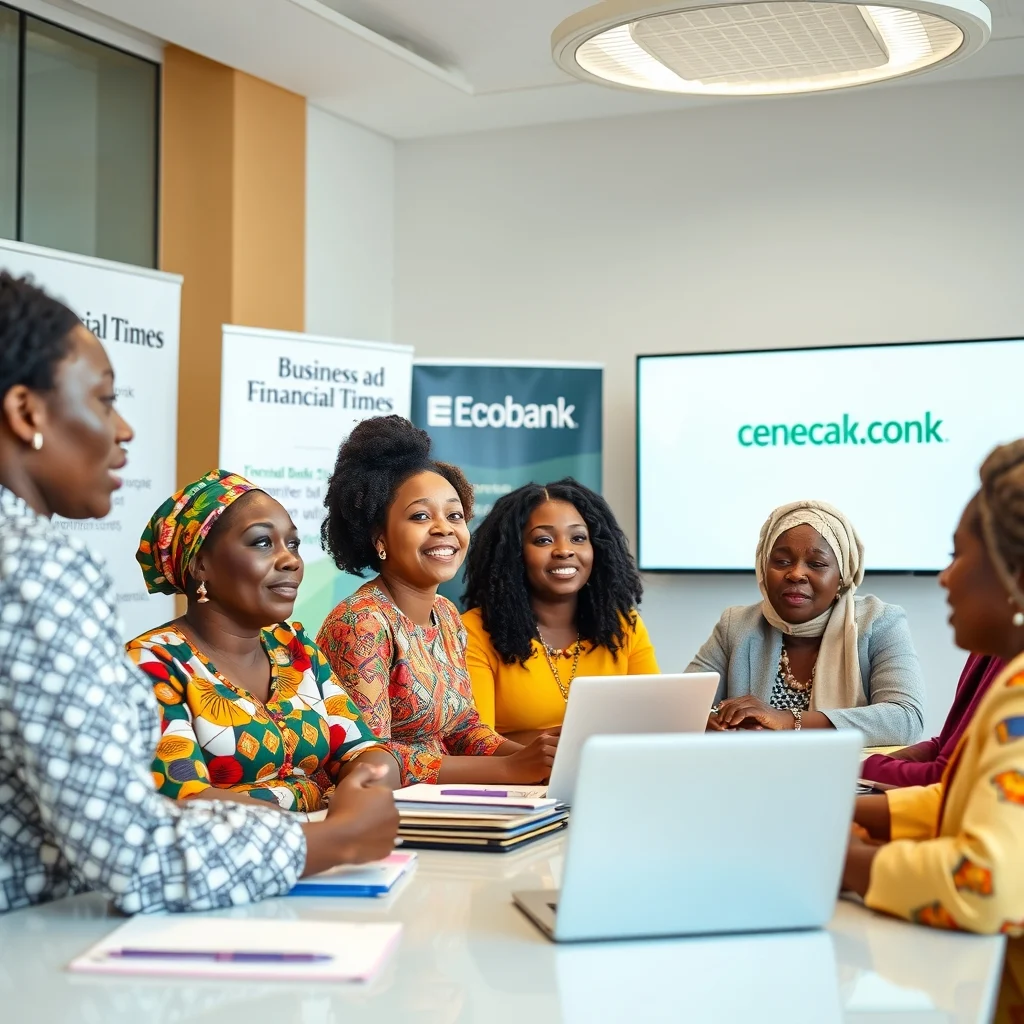
The critical need for accessible capital and robust business support structures to empower women-led enterprises in Ghana was a central theme at the 3rd Women in Business Dialogue held in Kumasi. Stakeholders highlighted that despite women’s significant economic contributions, persistent barriers hinder the growth of their businesses.
Context: The Landscape for Women in Business
Women constitute a substantial portion of Ghana’s entrepreneurial landscape, accounting for approximately 46 percent of the entrepreneurial workforce. Small and medium-sized enterprises (SMEs), many of which are informal, form the backbone of the economy, making up about 80 percent of the informal sector.
However, numerous women entrepreneurs continue to face challenges in securing credit, accessing wider markets, and improving their financial literacy. This dialogue occurred as the Ghanaian government prepares to launch the Women’s Development Bank, a key initiative designed to enhance financial access for women entrepreneurs.
Dialogue Highlights: Beyond Financing
The 3rd Women in Business Dialogue, organized by the Business and Financial Times (B&FT) in collaboration with Ecobank, convened female entrepreneurs, investors, and policymakers in Kumasi. The event focused on identifying strategies to strengthen women-led businesses within the Ashanti Region.
Dr. Gordon Acquaye, CEO of B&FT, emphasized that while financing is essential, the provision of structural support from the outset of a business is equally vital. He stated, “Women need to be given that tool and structure from the onset, as they start their business… we are able to help them with bookkeeping, then the next level will be to scale up where they will need to go to a formal financial institution for loans.”
Regina Ofori, Head of Marketing and Branding at Ecobank, underscored the importance of formalizing businesses as a prerequisite for accessing funding and growth opportunities. “Women can do a lot to support their businesses like registering their companies. We are helping them to understand the whys so that we are able to support them to set up their businesses,” she explained.
The event, themed “Building Market Leaders; Empowering Women-led SMEs and Agribusinesses for Inclusive and Sustainable Growth,” attracted dozens of women from diverse sectors including agribusiness, petty trading, and technology and innovation. Students also attended, seeking avenues to scale their ventures.
Government Commitment and Stakeholder Consensus
Samuel Twum Nkansah, Deputy Director at the Ashanti Regional Coordinating Council, reiterated the government’s dedication to supporting local enterprises, with a particular focus on women-led businesses.
Participants agreed that sustainable success for women entrepreneurs hinges on a multi-faceted approach. This includes not only improved access to capital but also comprehensive skills development and supportive policy reforms.
Implications and Future Outlook
The discussions in Kumasi signal a growing recognition that empowering women entrepreneurs is not just a matter of economic fairness but a strategic imperative for inclusive and sustainable national growth. The upcoming Women’s Development Bank is anticipated to address some of the identified financing gaps.
Moving forward, the focus will likely shift towards the effective implementation of such initiatives and the development of integrated support systems. Key areas to watch will be the accessibility and impact of the Women’s Development Bank, the effectiveness of formalization drives, and the expansion of business development services tailored to the unique needs of women entrepreneurs in Ghana.






Leave a Reply