
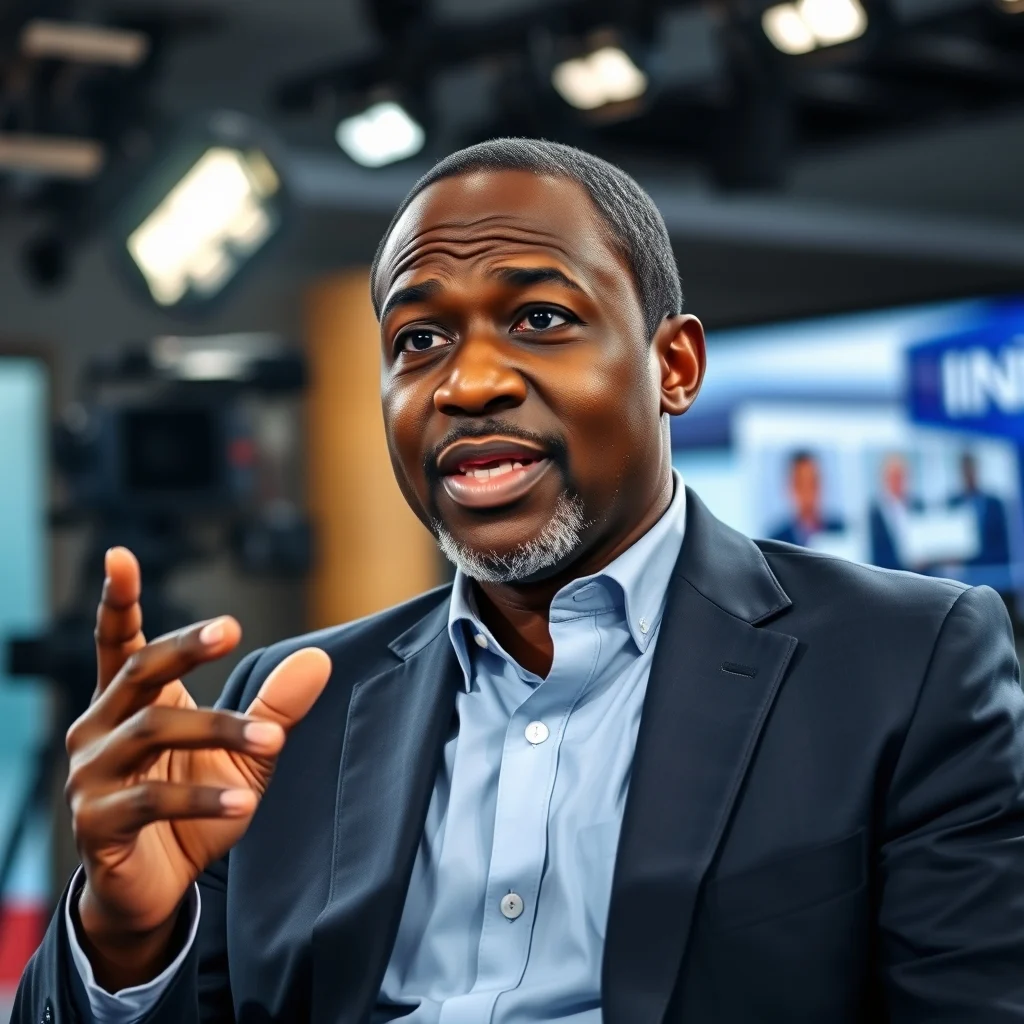
Accra, Ghana – The New Patriotic Party (NPP) is proactively initiating its organizational framework for the 2028 general elections, a move characterized by strategic foresight rather than premature campaigning. Nana Akomea, Chairman of the NPP’s Communications Committee, explained on Tuesday’s PM Express with Evans Mensah that the party’s leadership views this early start as crucial for rebuilding and effectively contesting the next polls, having lost power just two years prior.
Strategic Rationale for Early Preparations
Mr. Akomea addressed concerns that the party’s current organizational efforts might seem premature. He drew parallels to the party’s decision to elect its flagbearer three years before the national election, a move that also sparked debate about timing.
“The same sentiments came up. It’s too early. Let’s wait a while,” Akomea recalled the previous discussions.
However, the party’s leadership concluded that maximizing available time was essential for a comprehensive rebuilding process and focused preparation for 2028.
“The focus that we need will be better served by having a flag bearer in place early enough and not waiting for two years before the general election,” he stated.
Mitigating Internal Discord
A significant driver behind the early timetable is the NPP’s strategy to preempt and manage the internal friction that often accompanies prolonged electoral contests.
“It usually comes with all kinds of acrimony, so get that out of the way, and let some peace and quiet come from that,” Akomea explained, highlighting the benefit of resolving internal leadership contests well in advance.
By selecting a flagbearer early, the party aims to foster an environment where it can concentrate on developing a cohesive campaign narrative and a robust policy platform.
Committee Structure and Accountability
The NPP has established a two-tiered committee system to manage its organizational and strategic functions.
The first tier consists of standing committees that provide advisory roles to the party’s National Council. These committees are tasked with overseeing specific areas and holding operational officers accountable.
“So my committee, for example, is a standing committee,” Akomea noted. “We would advise the National Council that it will hold us accountable for the nature of communications in the party.”
While elected national officers, whose elections are anticipated later this year, will handle day-to-day operations, they will report to these standing committees.
“There’s going to be an election for a communications director later in the year,” he said, adding that this director “would answer to the communications committee.”
This hierarchical structure is being replicated across other key departments, including organizing, research, and finance.
“So these are committees of the National Council,” Akomea stressed. “The National Council, for example, will not call the communications director directly. They will call the chairman of the communications committee.”
Implications for Future Campaigns
This structured approach suggests a move away from ad-hoc campaigning towards a more policy-driven and unified electoral strategy. By addressing internal rivalries early and establishing clear lines of accountability, the NPP appears to be building a foundation for a more disciplined and focused campaign in the lead-up to 2028.
The success of this strategy will likely hinge on the party’s ability to maintain internal cohesion and effectively communicate its policy agenda to the electorate, setting a potential benchmark for how political parties approach electoral cycles in Ghana.










Leave a Reply