
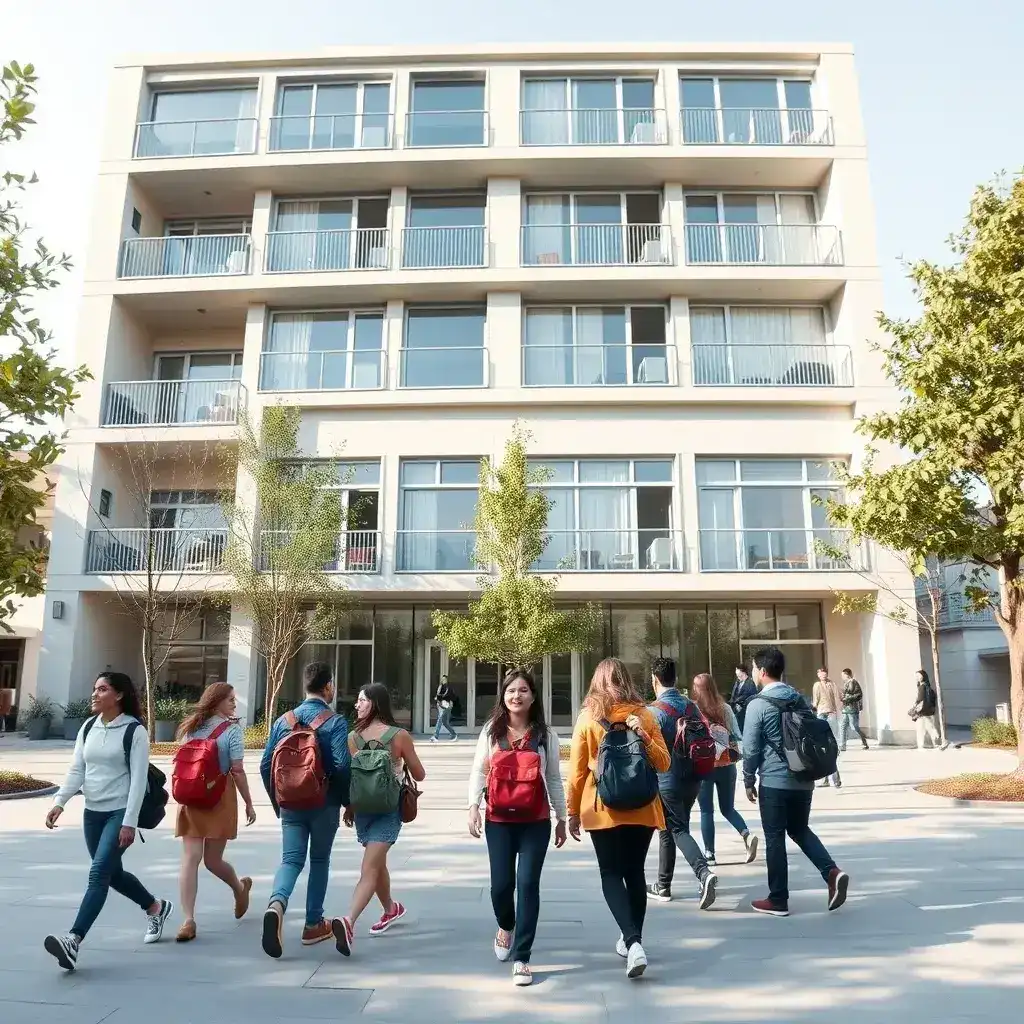
Accra, Ghana – May 13, 2024 – Ghana Hostels Limited (GHL) has formally demanded an immediate and unqualified apology from the Acting Rent Commissioner, Fredrick Opoku, following public statements he allegedly made regarding rent charges at the Pentagon Hostel, located on the University of Ghana campus. The company issued a press release on Monday, asserting that comments made by the Commissioner during a Hitz FM interview created a misleading impression of their operations and pricing structure.
Context of the Dispute
The controversy centers on the perceived cost of student accommodation at the Pentagon Hostel. GHL, which manages the facility, is a subsidiary of the Social Security and National Insurance Trust (SSNIT), a significant pension fund in Ghana. The Acting Rent Commissioner’s remarks, as reported, suggested that SSNIT, and by extension GHL, was potentially overcharging students, thereby appearing insensitive to their financial welfare.
GHL management stated that the Commissioner’s comments lacked sufficient due diligence. They emphasized that while SSNIT is the investor, GHL independently handles the day-to-day operations, including setting tenancy arrangements and pricing structures. This distinction is crucial to their defense against accusations of insensitivity.
GHL Defends Pricing and Operations
In its defense, Ghana Hostels Limited provided a detailed breakdown of its pricing for the Pentagon Hostel. The company clarified that the standard four-in-one accommodation, which constitutes over 65% of the total rooms, costs GHS7,392 annually for the Old Pentagon and GHS8,876 annually for the New Pentagon, per student. These figures include utilities like water and electricity quotas, along with GHS100 in Junior Common Room (JCR) dues.
This translates to approximately GHS821.33 per month for the Old Pentagon and GHS986.22 per month for the New Pentagon. GHL insists that these rates are competitive and among the most affordable options available on the University of Ghana campus, especially when compared to private hostels in the vicinity.
Addressing Alleged Exorbitant Fees
GHL specifically addressed references to an alleged GHS28,000 hostel fee that was reportedly mentioned during the radio interview. The company firmly rejected this claim, stating that no such rate exists within its standard pricing model. They explained that a small percentage of rooms (less than five percent) are designated as ‘premium’ rooms.
These premium rooms feature enhanced amenities such as air conditioning and queen-size beds. They are offered as optional upgrades and are not representative of the typical student accommodation at the facility. The company reiterated that pricing is structured on an academic year basis, not per semester as may have been misunderstood.
Implications for Students and Stakeholders
The dispute highlights the ongoing challenge of balancing affordable student housing with the financial realities of maintaining and managing large-scale accommodation facilities. For students, clarity on pricing and the availability of affordable options is paramount, especially during their academic pursuits.
The situation also underscores the importance of thorough investigation and verification before public officials make statements that could impact the reputation and operations of established institutions like GHL and SSNIT. The demand for an apology suggests GHL believes the Commissioner’s remarks have caused significant reputational damage and potentially deterred prospective tenants.
What to Watch Next
The coming days will likely see whether the Acting Rent Commissioner responds to GHL’s demand for an apology. Any response or lack thereof will indicate the potential for further escalation or resolution of this public disagreement. Observers will also be watching for potential clarifications from the University of Ghana regarding the broader context of student accommodation costs on campus and the role of public versus private providers.










Leave a Reply