

Accra, Ghana – The Ghanaian government is set to implement a groundbreaking “Dig Once” policy, poised to slash fiber optic infrastructure rollout costs by an estimated 60 percent and accelerate nationwide broadband expansion. Minister for Communications, Digital Technology and Innovations, Samuel Nartey George, announced the initiative at the 15th anniversary of the Ghana Chamber of Telecommunications in Accra, stating the policy is nearing Cabinet approval.
Context: Bridging the Digital Divide
Expanding reliable and affordable internet access is a critical component of Ghana’s digital transformation agenda. Historically, the deployment of fiber optic cables, the backbone of high-speed internet, has been hampered by significant costs associated with excavation and civil works. Telecom operators often face the expense of digging trenches and repairing roads, which inflates the overall price of bringing fiber connectivity to more citizens and businesses.
The ‘Dig Once’ Solution
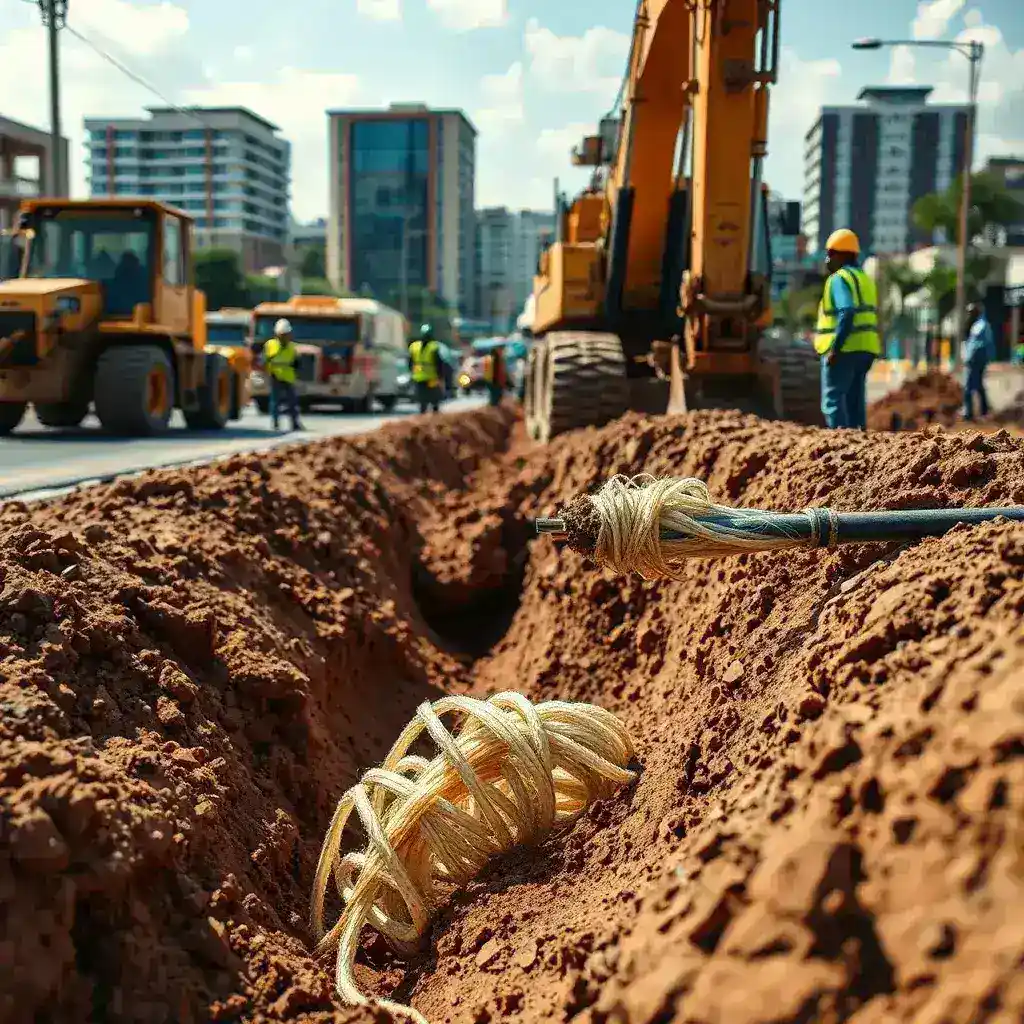
The core principle of the “Dig Once” policy is simple yet revolutionary: integrate fiber optic ducting into all new road construction projects from the outset. This means that as roads are built or significantly upgraded, pre-installed conduits for fiber cables will be incorporated into the design. When telecom companies wish to deploy fiber in these areas, they will no longer need to bear the substantial costs of digging up roads.
Instead, operators will purchase the right to use these existing ducts, a process Minister George described as significantly less expensive. “All new roads must have a fiber chamber as part of the design, so that anybody who wants to roll out fiber needs not bear the cost of digging, but simply buy right of way and then lay your fiber in that chamber,” George explained.
Policy Development and Timeline
The policy has undergone extensive consultation, particularly with the Ministry of Works and Housing, whose input was crucial given the integration with road infrastructure projects. The draft policy has received final input from the Ministry of Works and is now slated for presentation to Cabinet for approval.
Minister George expressed strong optimism that Cabinet approval will be secured within the third quarter of the current year. “I’m hopeful that in Q3 this year, Cabinet will give approval for the Dig Once policy, and that is going to be transformative for our fiber rollout as a country,” he stated.
Broader Digital Ambitions
The introduction of the “Dig Once” policy is part of a larger vision for Ghana’s digital future. The Minister also highlighted the nation’s goal to achieve 5G coverage for 70 percent of the population by Ghana’s 70th Independence anniversary in 2027. This ambitious target underscores the government’s commitment to enhancing digital infrastructure and services across the country.
Implications for Connectivity and Costs
The “Dig Once” policy is expected to have far-reaching implications. By drastically reducing deployment costs, it can make fiber internet more affordable and accessible to a wider segment of the population, potentially bridging the digital divide. Businesses could benefit from more reliable and faster internet, boosting productivity and innovation.
Furthermore, the accelerated pace of fiber rollout could support the expansion of advanced digital services, including 5G, and facilitate the growth of the digital economy. The coordinated approach also promises to minimize the disruption caused by repeated road excavations for utility installations.
What to Watch Next
The key development to monitor will be the timeline for Cabinet approval of the “Dig Once” policy, as indicated by the Minister for the third quarter of this year. Following approval, the focus will shift to the effective implementation of the policy, ensuring seamless integration into road construction projects across the nation. The industry will be watching closely to see if the projected 60 percent cost reduction is realized and how quickly this translates into expanded fiber coverage and improved broadband services for Ghanaians.









Leave a Reply