
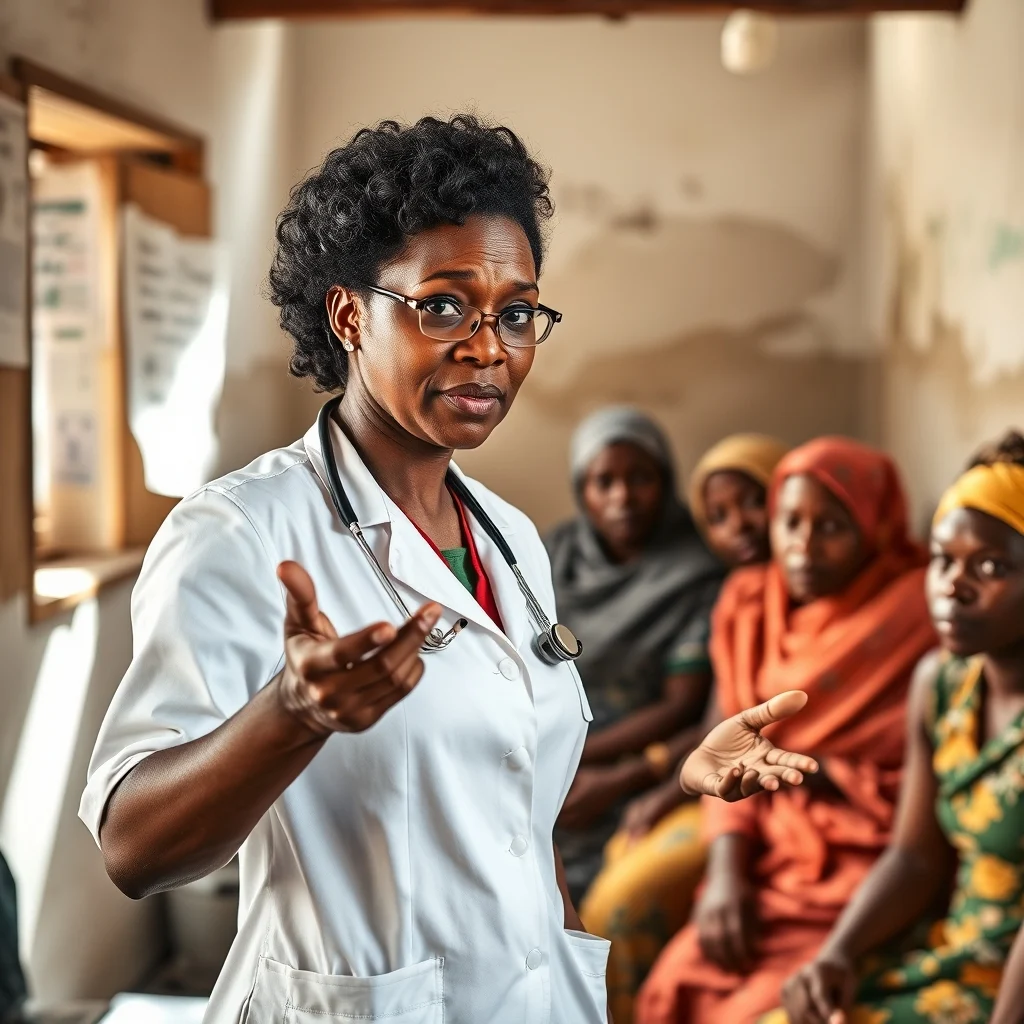
A concerning rise in deaths from diabetes and hypertension among women in Nsoatre, Sunyani West Municipality, Bono Region, has been highlighted by Dr. Gloria Asare, Medical Superintendent of Nsoatre Government Hospital. The escalating non-communicable disease (NCD) burden is attributed to late presentations at health facilities, unhealthy lifestyles, and insufficient routine check-ups, posing a significant public health challenge.
Alarming Trend in Non-Communicable Diseases
Dr. Asare described the increasing prevalence of diabetes and hypertension among women in the Nsoatre community as alarming. These chronic conditions, often manageable with early detection and consistent treatment, are leading to severe complications and fatalities at an unacceptable rate.
The primary driver of these dire outcomes, according to Dr. Asare, is the tendency for affected women to seek medical attention only after the diseases have progressed to advanced stages. This late intervention significantly complicates treatment protocols and drastically increases the mortality risk.
Contributing Factors to the Crisis
Several lifestyle factors are identified as key contributors to this escalating health crisis. Dr. Asare pointed to poor dietary habits, characterized by high intake of processed foods and sugary substances, as a major culprit. Sedentary lifestyles and a lack of regular physical activity further exacerbate the problem.
Stress, a pervasive element in modern life, also plays a significant role in the development and worsening of these conditions. Furthermore, a general failure among many women to undertake regular medical check-ups means potential health issues often go unnoticed until they become critical.
Grave Statistics and Urgent Call for Action
The severity of the situation is underscored by Dr. Asare’s stark statistic: approximately two out of every twenty women diagnosed with diabetes or hypertension succumb to the diseases. This highlights the urgent need for enhanced public awareness campaigns and accessible early medical intervention programs.
Dr. Asare made these critical observations during an event organized by the Evelyn Akantoa Foundation on Thursday, May 14. The foundation’s program aimed to celebrate women in Nsoatre as part of its annual activities.
Foundation’s Dual Focus: Health and Empowerment
Beyond addressing health concerns, the Evelyn Akantoa Foundation also used the occasion to encourage women’s empowerment. Evelyn Akantoah, CEO of the foundation, urged women to foster confidence in their capabilities and actively seek leadership opportunities.
Akantoah acknowledged the indispensable roles women play in society but noted that many are held back from leadership positions due to fear, societal pressures, and a lack of adequate support systems.
Leveraging Policy for Women’s Advancement
In line with promoting women’s participation in decision-making, Akantoah encouraged women to utilize the provisions within the Affirmative Action Bill. This legislation, she explained, offers a framework to enhance women’s presence and influence in leadership roles across various sectors.
Looking Ahead: Prevention and Policy Intersection
The rising tide of diabetes and hypertension deaths among women in Nsoatre signals a critical need for targeted public health interventions. Future efforts must focus on robust awareness campaigns emphasizing healthy lifestyles, balanced diets, regular exercise, and stress management. The integration of these health initiatives with policy frameworks, such as the Affirmative Action Bill, could create a more supportive environment for women’s overall well-being, encompassing both their health and their societal participation.










Leave a Reply