
Ghana officially exited its 17th International Monetary Fund (IMF) program in late 2024, marking a critical juncture for the West African nation’s economic future. The International Monetary Fund Executive Board approved the $3 billion Extended Credit Facility, which was disbursed in tranches to stabilize Ghana’s economy after a severe downturn in 2022, characterized by hyperinflation and a depreciating currency. This exit, however, is seen not as an end to economic challenges but as the beginning of a more significant test of the country’s ability to sustain its recovery without external intervention.
A Nation’s Recurring Economic Struggle
Ghana, despite being rich in natural resources like gold and being a top cocoa exporter, has repeatedly turned to the IMF for financial assistance. This recurring pattern, often coinciding with periods of sharp currency depreciation and rising inflation, has highlighted a deeper, structural economic vulnerability.
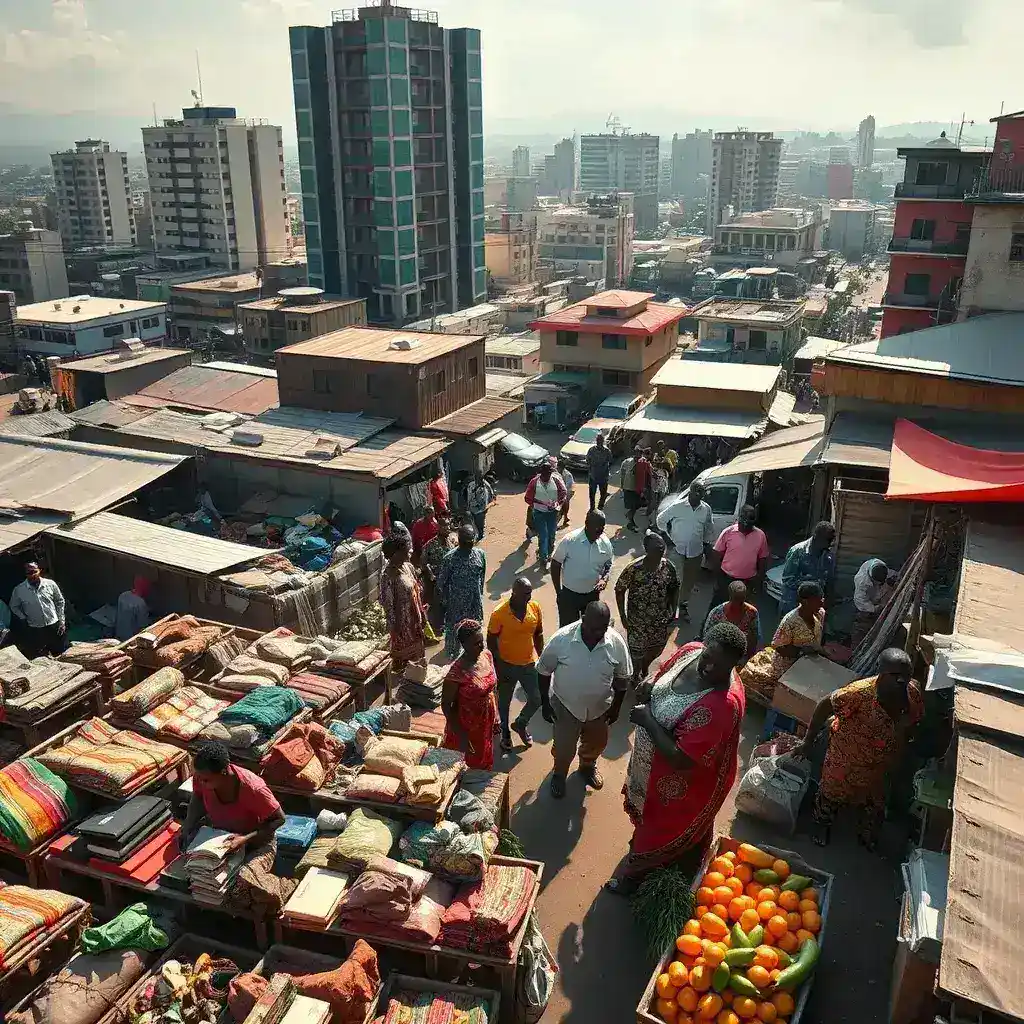
In 2022, the Ghanaian cedi experienced a dramatic fall, impacting everyday citizens. The cost of essential goods and transportation surged, placing immense pressure on households and small businesses. By November 2022, inflation had soared to over 50%, and the national debt had become unsustainable, leading to a severe loss of investor confidence.
IMF Intervention and Initial Stabilization
The IMF’s Extended Credit Facility provided a crucial lifeline, helping to restore a semblance of economic stability. The initial disbursement of approximately $600 million offered immediate relief. By October 2024, the program had contributed to a significant reduction in inflation, which fell to 22.1% from a peak of 54.1% in December 2022.
Furthermore, Ghana’s foreign reserves saw an improvement, reaching $7.7 billion and covering about 3.5 months of imports. The public debt-to-GDP ratio also decreased from 79.2% in September 2024 to 74.6% by October 2024. Following the program’s implementation and subsequent fiscal prudence by the new administration, the cedi strengthened considerably, and Ghana’s sovereign credit rating saw a notable upgrade to B- status.
Gross international reserves further increased to approximately $14.5 billion, enhancing the nation’s capacity to withstand external economic shocks.
The Underlying ‘Disease’: Political and Structural Weaknesses
However, experts caution that IMF programs, while effective as short-term pain relief, do not address the root causes of Ghana’s economic instability. The fundamental challenges are described as political and structural, rather than purely economic.
Historically, successive governments have struggled with fiscal discipline, particularly in election years. Increased spending, often driven by populist measures and unbudgeted projects, leads to rising debt and a mortgaging of future economic stability for present political expediency. This cycle mirrors crises seen in other nations like Argentina and Zambia, which have grappled with similar patterns of borrowing and subsequent debt burdens.
The Peril of Complacency in the Post-IMF Era
The current period of stabilization, marked by a strengthening cedi and slowing inflation, carries a significant risk: complacency. There is a danger of believing that the immediate crisis has passed and that Ghana is permanently secure.
Ghana’s economy remains highly dependent on imports, including crucial items like fuel, pharmaceuticals, and machinery. This import reliance makes the nation vulnerable to global supply chain disruptions and price volatility. For example, geopolitical tensions, such as those involving the United States and Iran, can impact global oil supplies, potentially affecting energy costs and, consequently, the prices of goods within Ghana.
The economy’s heavy reliance on commodity exports—cocoa, gold, and oil—also presents a risk. Fluctuations in global commodity prices directly impact government revenues, creating renewed pressure on public finances.
Shifting Focus to Production and Transformation
To achieve true economic independence, Ghana must transition from a focus on stabilization to one of transformation and production. This involves a strategic push towards agro-processing, industrialization, digital innovation, and manufacturing. The presence of the African Continental Free Trade Area (AfCFTA) Secretariat in Accra offers a unique opportunity for Ghana to position itself as a regional trade and industrial hub.
Achieving this requires decisive action and a commitment to long-term economic strategies that transcend political cycles. The challenge lies not only in identifying opportunities but also in making the difficult decisions necessary to capitalize on them.
The Imperative of Political Maturity
A critical factor for sustained economic health is political maturity. The tendency for fiscal discipline to erode under political pressure must be addressed. Without institutionalizing reforms that insulate economic policy from short-term political considerations, future IMF programs will likely offer only temporary respite.
The ultimate measure of Ghana’s recovery will not be its successful exit from the IMF program, but whether the implemented reforms become deeply embedded within the nation’s governance structures. The capacity of Ghana’s domestic politics to uphold these reforms will determine its long-term economic resilience, independent of external financial support.





Leave a Reply