
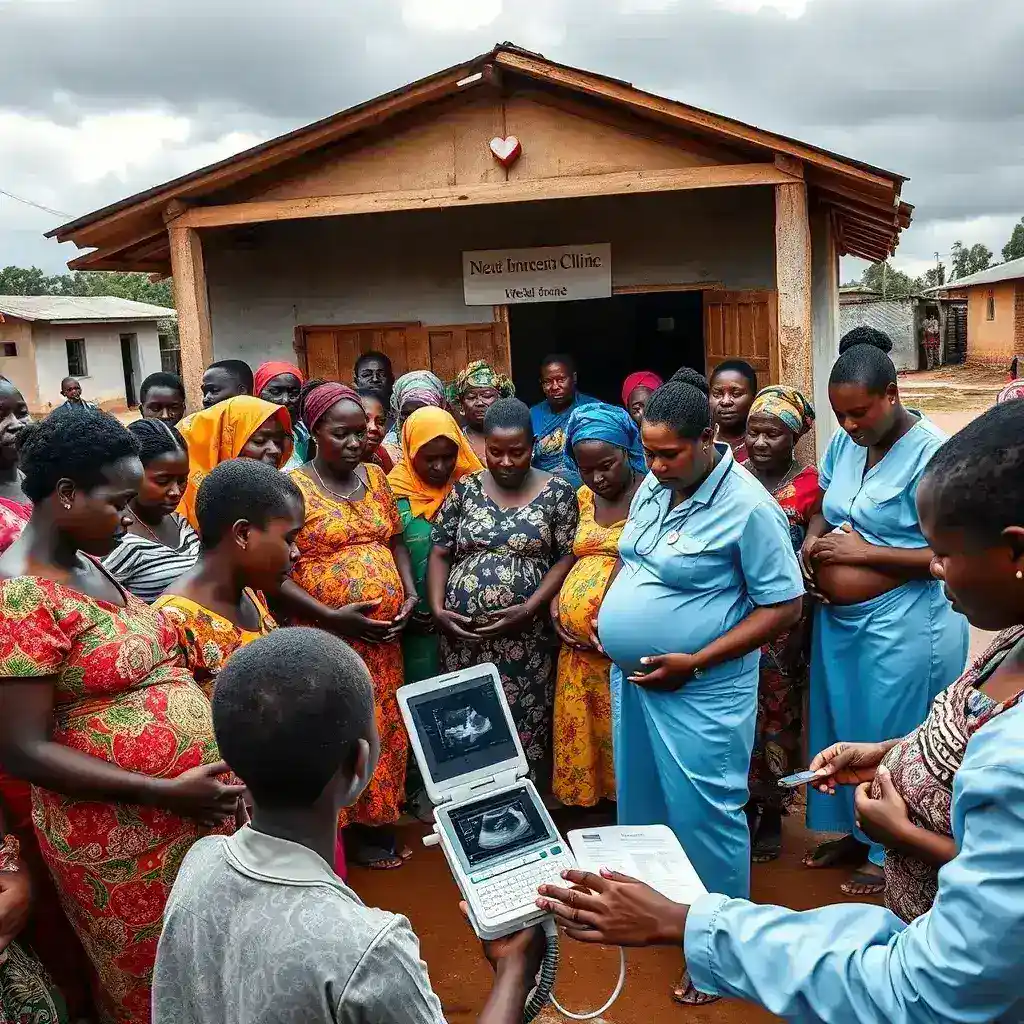
The Telecel Ghana Foundation recently provided free ultrasound scanning and antenatal support to over 300 pregnant women at the Kasseh Health Centre in Ada, despite persistent rainfall. This initiative, part of their bimonthly Rural Ultrasound program, aims to bridge the gap in maternal healthcare access for underserved communities. The outreach offered expectant mothers essential services including ultrasound scans, medical reports, nutritional counseling, and antenatal education.
Addressing a Critical Healthcare Need
The event highlighted a significant unmet demand for affordable maternal healthcare in rural Ghana. Many women in communities like Kasseh face financial barriers and a lack of essential equipment at public facilities, preventing them from accessing crucial diagnostic services like ultrasound scans. These scans are vital for monitoring pregnancy progress and identifying potential complications early.
Coleman Adator, Nurse Manager for the Kasseh Health Centre, emphasized the program’s importance. “A lot of them cannot do the scans at the private centres because of the financial expense and also the unavailability of the scanning equipment at the public health centre,” Adator stated. “Having this ultrasound scan today will encourage them to come for antenatal services and help the midwives to monitor the progress of the pregnancy to improve maternal health in the district.”
Comprehensive Care and Community Impact
Beyond ultrasound services, health officers provided tailored nutrition advice, covering dietary needs during pregnancy, the importance of iron and folate, and warning signs to monitor. Each participant received a formal scan report for future appointments and a gift package from the Telecel Foundation.
Beneficiaries expressed profound gratitude for the initiative. Amanda Sewu, 24, shared her relief, stating, “I had to spend a lot of money on my two ultrasound scans and couldn’t continue anymore. Thanks to Telecel Ghana Foundation, I have been able to do my scan for free, and we hope they visit Ada again.” Another expectant mother, Sandra Agyemang Yeboah, praised the quality of care and the welcoming atmosphere, noting, “We were warmly received and well taken care of. The health professionals also educated us on proper nutrition and how to take care of ourselves during pregnancy.”
Telecel Foundation’s Commitment to Rural Health
Rita Rockson, Head of Foundation, Sustainability and External Communications at Telecel Ghana, explained the broader goal of the Rural Ultrasound initiative. “Today’s high patronage is a reminder of why maternal health support is a critical need for women in rural communities,” Rockson said. “Some of the pregnant women got referrals to medical facilities that will eventually save their lives and their babies.”
The initiative operates under Telecel Foundation’s “Connected Health” pillar, which aims to deliver diagnostic maternal health services directly to underserved areas. By bringing qualified professionals and equipment to community-level facilities, the program tackles the dual challenges of cost and distance that hinder access to essential antenatal care.
Broader Implications and Future Outlook
This outreach directly supports Sustainable Development Goal 3.1, which seeks to reduce the global maternal mortality ratio and ensure universal access to skilled antenatal care. The Telecel Foundation views this as a sustained effort to connect rural and peri-urban communities with quality healthcare services.
The success of this event underscores the significant demand for such services and the potential for widespread impact. Telecel Ghana Foundation’s ongoing commitment suggests that similar initiatives are likely to be rolled out in other underserved regions, potentially transforming maternal health outcomes across the country. The continued expansion of the Rural Ultrasound initiative will be crucial in observing its long-term effect on reducing preventable maternal and infant mortality in Ghana.










Leave a Reply