
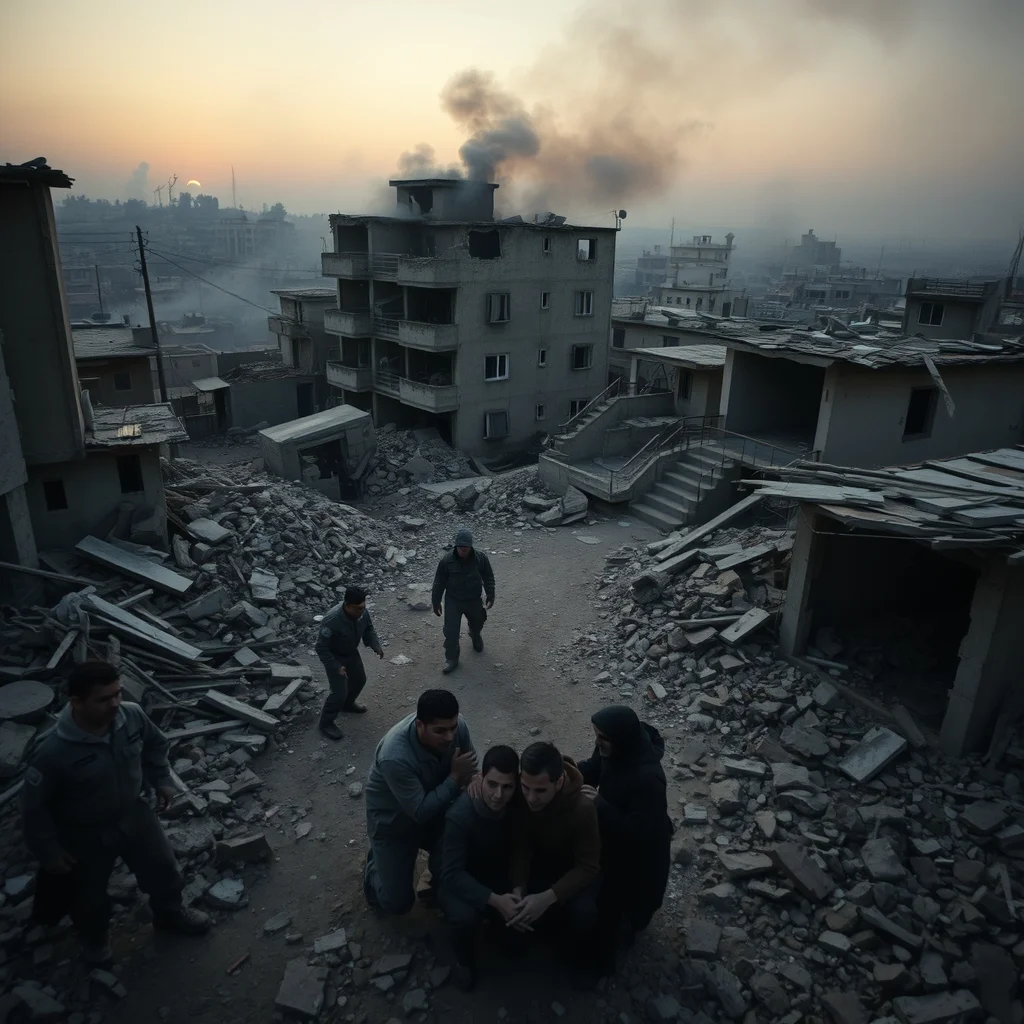
Lebanon’s Health Ministry reported on Monday that the death toll from Israeli strikes has tragically surpassed 3,000, reaching 3,020. This grim milestone underscores the persistent and escalating conflict between Israel and Hezbollah, which began in early March and shows no signs of abating despite a fragile ceasefire agreement.
Escalation and Ceasefire Violations
Lebanon was drawn into the wider regional conflict on March 2nd, following an Israeli strike that killed Iran’s supreme leader. Hezbollah, an Iran-backed armed group, responded by firing rockets into Israel. The ensuing hostilities have resulted in a significant loss of life, with the Health Ministry indicating that over 400 deaths have occurred since a ceasefire officially came into effect on April 17th.
This period, meant to be one of de-escalation, has been marred by repeated violations from both sides. The fragile truce, brokered by the United States, controversially allows Israel to conduct strikes it claims are necessary to counter Hezbollah’s military activities. Lebanon has strongly condemned these attacks, asserting that they undermine national sovereignty and efforts to re-establish state control over armed factions.
Continued Strikes and Military Activity
Since the announcement of a 45-day ceasefire extension on Friday, Israeli strikes have persisted across numerous towns and villages in southern Lebanon and the Bekaa Valley, claiming dozens of lives. Reports from Saturday detailed widespread strikes across more than two dozen villages, with evacuation warnings issued for only a fraction of these locations.
In response, Hezbollah has reported engaging in retaliatory actions. On Saturday, the group claimed to have targeted the Yaara barracks in northern Israel with a ‘swarm of attack drones.’ This followed earlier claims by Hezbollah of successful operations against Israeli troops in southern Lebanon. The Israeli military confirmed on Saturday that one soldier was killed during the fighting, bringing their total losses since early March to 20, with four civilians also having lost their lives.
Territorial Control and Human Cost
Israeli ground forces continue to maintain control over a strip of territory extending approximately 10 kilometers (six miles) from the Lebanese border. This occupation is a direct consequence of the conflict that ignited in March. The ongoing hostilities and the significant death toll highlight the severe humanitarian cost of the protracted fighting.
Expert Perspectives and Data
Dr. Layla Hassan, a regional security analyst at the Beirut Institute, commented, “The continued strikes, even after a ceasefire was agreed upon, demonstrate the deep-seated nature of the conflict and the challenges in enforcing de-escalation. The high civilian death toll is a stark reminder of the devastating impact on Lebanon’s population and infrastructure.”
Data from the UN Office for the Coordination of Humanitarian Affairs (OCHA) indicates that over 90,000 people have been displaced from southern Lebanon due to the intensified cross-border shelling since the conflict began. This displacement adds immense pressure on Lebanon’s already strained resources and humanitarian infrastructure.
Implications for the Region
The persistent violence and the climbing death toll have significant implications for regional stability. The ongoing conflict risks further escalation and could draw in additional regional actors, exacerbating an already volatile situation. For Lebanon, the continuous strikes impede reconstruction efforts and delay the return of displaced populations, prolonging a humanitarian crisis.
The effectiveness of international mediation efforts, such as the US-brokered truce, is being severely tested by the persistent violations. The resumption of negotiations scheduled for early June will be critical in determining whether a lasting cessation of hostilities can be achieved, or if the cycle of violence will continue unabated.
What to Watch Next
Attention will be focused on the upcoming negotiations in June and whether they can yield more than a temporary reprieve. The international community’s role in ensuring adherence to any renewed ceasefire will be crucial. Observers will also be monitoring Hezbollah’s response to continued Israeli actions and any further shifts in the military balance along the border. The long-term implications for Lebanese sovereignty and the potential for wider regional entanglement remain key concerns.








Leave a Reply