
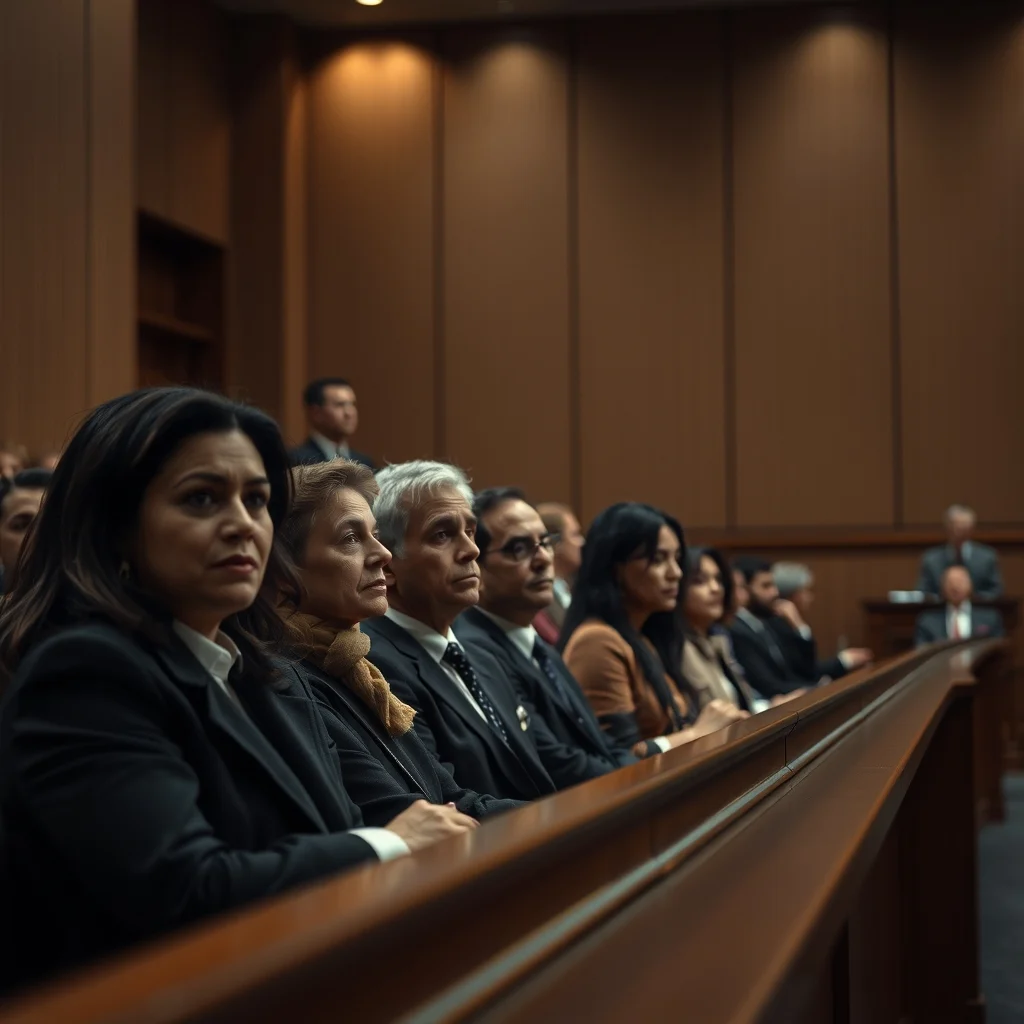
A jury at London’s Southwark Crown Court began deliberations on Monday to decide the fate of Diezani Alison-Madueke, Nigeria’s former minister for petroleum resources, who faces charges of bribery and conspiracy to commit bribery. The decision follows a nearly four-month trial concerning allegations of a lavish lifestyle funded by industry figures seeking lucrative oil and gas contracts.
Alison-Madueke, who served as minister from 2010 to 2015 under President Goodluck Jonathan, has pleaded not guilty to five counts of accepting bribes and one count of conspiracy to commit bribery. The prosecution contends that the 65-year-old former minister enjoyed a life of luxury in London, including high-end properties and shopping sprees, facilitated by individuals seeking favorable contracts.
Background of the Case
The trial shines a spotlight on alleged corruption within Nigeria’s vital oil and gas sector during a period of significant global energy market activity. Alison-Madueke held a prominent position, not only as a minister in Africa’s largest oil producer but also as a former president of the Organisation of the Petroleum Exporting Countries (OPEC).
Her tenure coincided with a period when Nigeria was a major player in global energy politics. The accusations suggest a systematic abuse of power, where personal enrichment allegedly took precedence over public duty.
Trial Proceedings and Defense Arguments
During the trial, which commenced in late January, prosecutors presented evidence detailing the alleged benefits Alison-Madueke received. These included claims of being gifted luxury properties and taken on expensive shopping trips.
However, Alison-Madueke’s defense team argued that she acted merely as a “rubber stamp” for official recommendations. They presented her as a figurehead who followed established procedures rather than actively soliciting or accepting bribes.
When giving evidence last month, Alison-Madueke directly addressed the jury, stating, “At no time did I ask, take, or seek a bribe or bribes of any sort.” This personal testimony formed a key part of her defense.
Co-defendants and Related Charges
The trial also involves two other defendants. Oil industry executive Olatimbo Ayinde, 54, faces one count of bribery related to Alison-Madueke and a separate charge of bribing a foreign public official.
Alison-Madueke’s brother, 69-year-old Doye Agama, is accused of conspiracy to commit bribery in connection with Agama’s church. Both Ayinde and Agama have denied all charges against them.
The jury was sent out just before 11:30 GMT on Monday to begin considering their verdicts on the eight charges faced by the three individuals.
Expert Perspectives and Data
Cases involving alleged corruption in the oil sector often highlight significant financial stakes. Transparency International, a global anti-corruption watchdog, has consistently reported on the challenges of corruption in resource-rich countries like Nigeria. Their reports often detail how large sums of money flowing through the energy sector can create opportunities for illicit enrichment.
While specific data on the amounts involved in this particular case are part of the court proceedings, broader analyses by organizations like the World Bank and the International Monetary Fund have pointed to the substantial economic impact of corruption, including deterring investment and hindering development.
The prosecution’s narrative of a “life of luxury” suggests that the alleged bribes were substantial enough to fund a high standard of living, a common theme in high-profile corruption cases globally.
Implications for Nigeria and International Justice
The outcome of this trial could have significant implications for Nigeria’s ongoing fight against corruption and its efforts to attract foreign investment. A conviction could reinforce the country’s commitment to accountability, while an acquittal might raise questions about the effectiveness of such prosecutions.
For the international community, particularly the UK, which serves as a hub for international finance and legal proceedings, the case underscores the role of its legal system in tackling global corruption. It demonstrates a willingness to prosecute individuals accused of financial crimes, regardless of their former status.
The jury’s decision, expected in the coming days or weeks, will be closely watched. Attention will also be on any potential follow-up actions or asset recovery proceedings, depending on the verdicts. The case represents a critical juncture in the legal pursuit of alleged financial misconduct within Nigeria’s influential oil industry.










Leave a Reply