
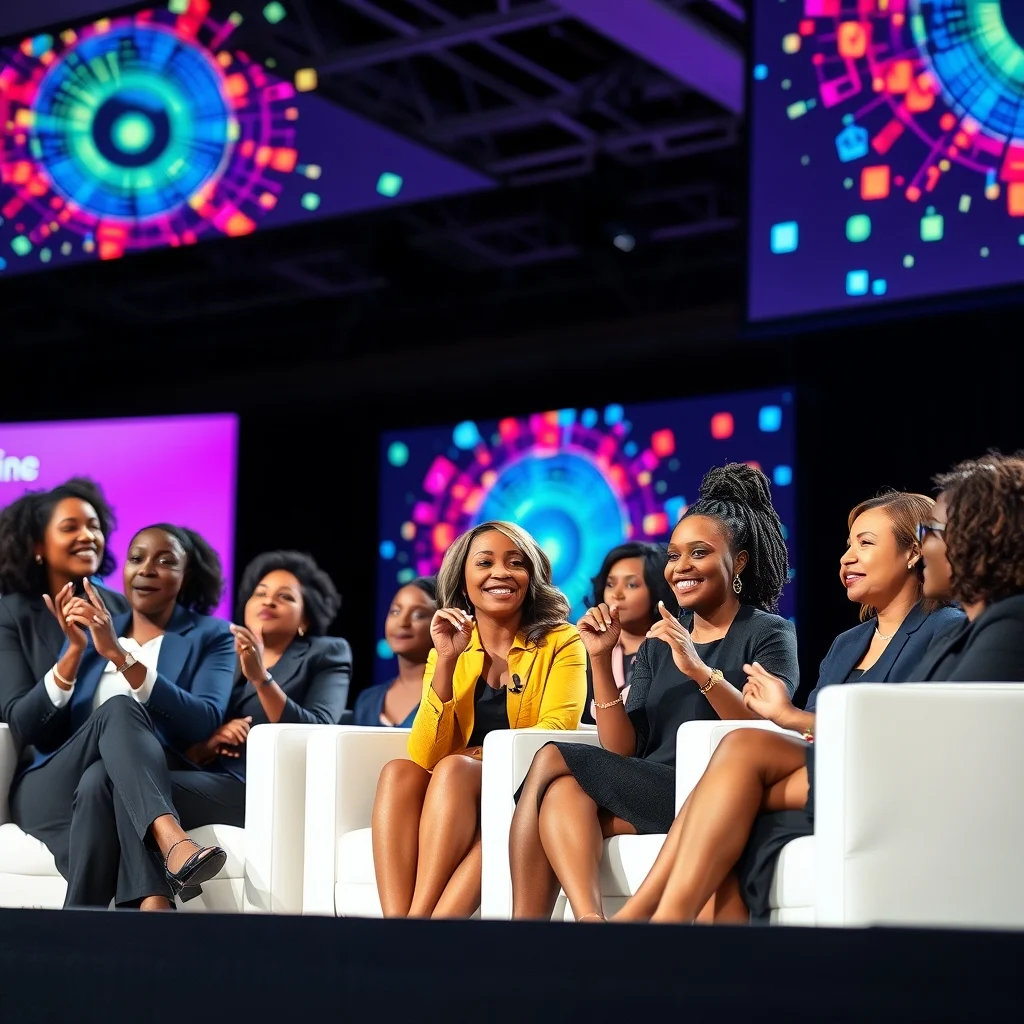
Tawa Bolarin, Director of Enterprise Business and Wholesale at Telecel Ghana, urged African governments and industry leaders to open markets and harmonize digital infrastructure policies to accelerate the continent’s digital transformation. Speaking at the 11th Ghana Female CEO Summit in Accra, she emphasized that Africa’s next economic growth phase hinges on moving beyond basic internet access to full digital economy participation.
Bridging the Digital Divide Beyond Infrastructure
Ms. Bolarin highlighted that achieving true digital inclusion requires addressing barriers beyond mere connectivity. While mobile broadband coverage is extensive in many African nations, including reaching three-quarters of Ghana’s population, actual digital participation remains hindered by low smartphone penetration and uneven digital literacy.
“We need to ensure growth beyond our local environment and make access to markets, financial transactions and movement across the continent easier and without barriers,” Ms. Bolarin stated during the panel discussion, “Women Building Africa’s Digital Ecosystem, Innovation and Inclusive Growth.”
She pointed out that in Ghana, despite broad connectivity, only 46 percent of the population owns a smartphone, leaving a significant portion unable to fully engage in the digital economy. This gap underscores that infrastructure alone is insufficient; accessible and affordable devices are crucial.
The Crucial Role of Digital Literacy and Skills
Beyond device access, Ms. Bolarin stressed the critical need for enhanced digital literacy and skills development. Many individuals and small businesses have internet access but lack the knowledge to leverage it effectively as a business tool or for productive online activities.
“People have access to the internet but don’t have the knowledge to convert that into a business tool,” she explained. “Technology keeps moving at a rapid pace, and the agility to be able to keep up with that pace requires commitment and support if we want more people to participate in the digital economy.”
This challenge is particularly pronounced among women, rural communities, and small and medium-sized enterprises (SMEs), which are vital for economic growth but often face greater hurdles in digital adoption.
Women CEOs Driving Africa’s Digital Future
The summit, themed “Women Driving Sustainable Business for a Resilient Africa,” provided a platform for leading women in technology, telecommunications, and digital finance to discuss strategies for building a more inclusive digital ecosystem.
The panel, moderated by Akosua Annobil of Tech in Ghana, included Deborah Asmah of Mpontu Technologies and Jubilare Group, Gillian Darko of Yellow Card, and Estelle Akofio-Sowah of CSquared Ghana. Discussions covered connectivity, digital infrastructure, women-led innovation, fintech collaboration, and expanding digital access to underserved areas.
The 11th Ghana Female CEO Summit has established itself as a key event for women executives, policymakers, and entrepreneurs across the continent, focusing on how female leadership shapes growth in critical sectors like technology, finance, manufacturing, and telecommunications.
Implications for Regional Trade and Economic Growth
Harmonizing policies and opening markets across Africa could significantly deepen regional trade and accelerate digital transformation. By enabling easier cross-border digital transactions and access to services, the continent can unlock new avenues for economic growth and ensure that more citizens benefit from the digital revolution.
The focus on digital literacy and skills development, coupled with efforts to improve device affordability, is essential for bridging the gap between internet access and meaningful participation. As technology continues to evolve rapidly, sustained investment in human capital and supportive policy frameworks will be key to fostering an agile and inclusive digital economy across Africa.
Moving forward, the emphasis will likely remain on collaborative efforts between governments, private sector players, and educational institutions to equip citizens with the necessary tools and knowledge to thrive in the digital age. Watch for initiatives aimed at increasing smartphone affordability, expanding digital skills training programs, and developing user-friendly digital platforms tailored to local needs.










Leave a Reply