
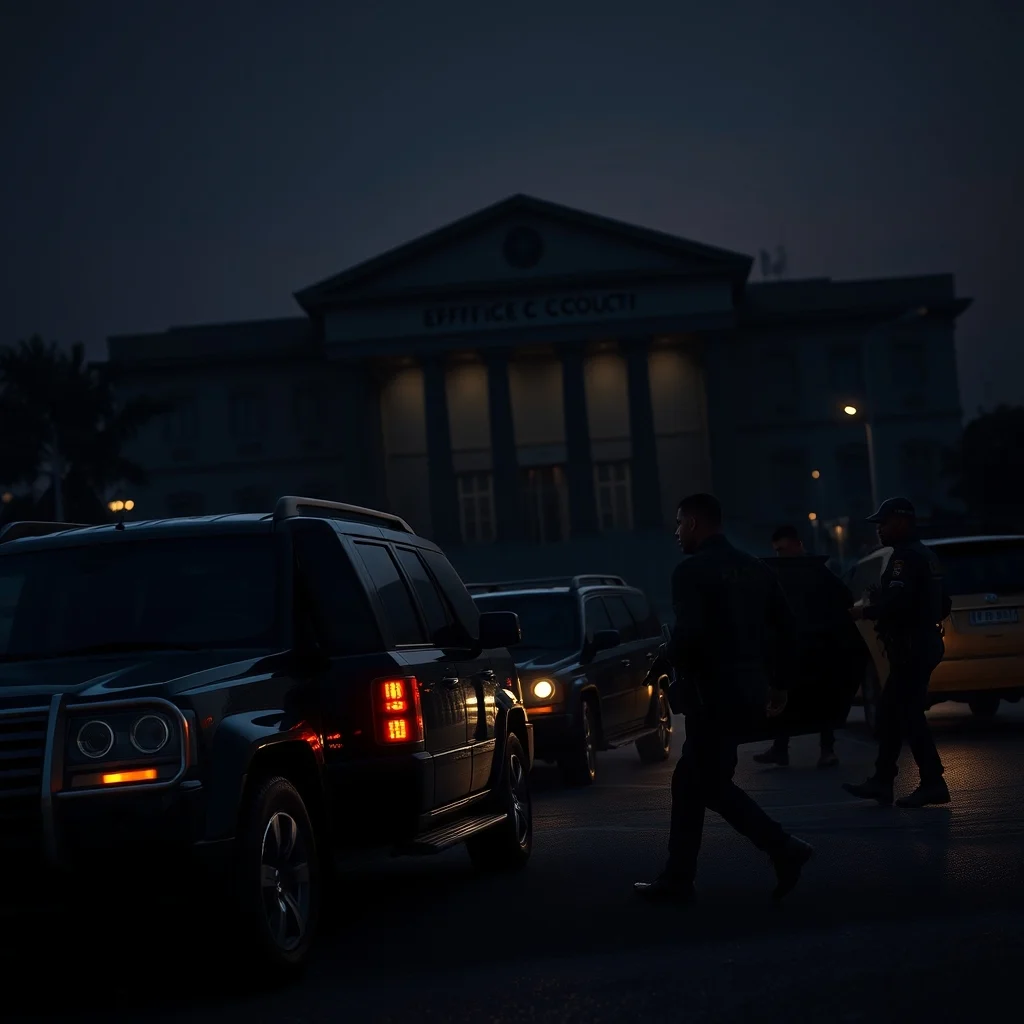
Nigeria’s anti-corruption agency, the Economic and Financial Crimes Commission (EFCC), announced the arrest of former Power Minister Saleh Mamman on Tuesday in Kaduna state. The arrest follows his conviction and sentencing to 75 years in jail for corruption charges related to the diversion of funds intended for hydroelectric power projects. Mamman had reportedly gone into hiding after the court ruling.
Background on the Corruption Case
The conviction stems from Mamman’s tenure as Power Minister from 2019 to 2021 under former President Muhammadu Buhari. He was found guilty on 12 counts of diverting approximately 22 billion naira (about $14 million USD) meant for critical electricity infrastructure. Prosecutors successfully argued that Mamman and his associates used proxy companies to siphon these funds.
The court sentenced Mamman in absentia after he failed to appear for his trial. The judge described the diversion of public funds as a severe breach of public trust. Mamman faces a consecutive sentence totaling 75 years, with the judge imposing multiple prison terms for each charge.
Ongoing Legal Battles
This conviction is not Mamman’s only brush with the law. He is also facing a separate corruption trial in Abuja concerning alleged fraud involving 31 billion naira. A warrant for his arrest was previously issued in that case when he failed to appear in court earlier this month.
EFCC’s Determination
EFCC Chairman Ola Olukoyede emphasized the agency’s commitment to ensuring Mamman serves his full sentence. “For us, getting the convict to serve his jail terms is extremely important in view of the seriousness with which we are tackling corrupt practices,” Olukoyede stated. The agency conducted weeks of surveillance and intelligence gathering before apprehending the former minister.
Wider Implications for Nigeria’s Power Sector
Mamman’s conviction has intensified public outrage over Nigeria’s persistent electricity problems. Despite being a major energy producer in Africa, the nation continues to struggle with frequent blackouts and power outages. These disruptions significantly impact daily life and business operations across the country.
Many Nigerians rely on private fuel generators for electricity, but the escalating cost of fuel has made this a difficult and expensive alternative. The funds allegedly diverted by Mamman were intended for projects aimed at improving the nation’s power supply, a promise he had made during his time in office.
A Rare Conviction
The successful prosecution and conviction of a former high-ranking official like Saleh Mamman is considered a significant development in Nigeria’s ongoing fight against corruption. Convictions of top government figures are relatively uncommon in the West African nation, making this a notable achievement for the EFCC.
What to Watch Next
The focus will now shift to Mamman serving his sentence and the progress of his separate corruption trial. Observers will be watching to see if this conviction sets a precedent for future prosecutions of corrupt officials and whether it leads to any tangible improvements in Nigeria’s perennial power crisis. The EFCC’s resolve to pursue high-level corruption cases will be further tested in the coming months.






Leave a Reply