
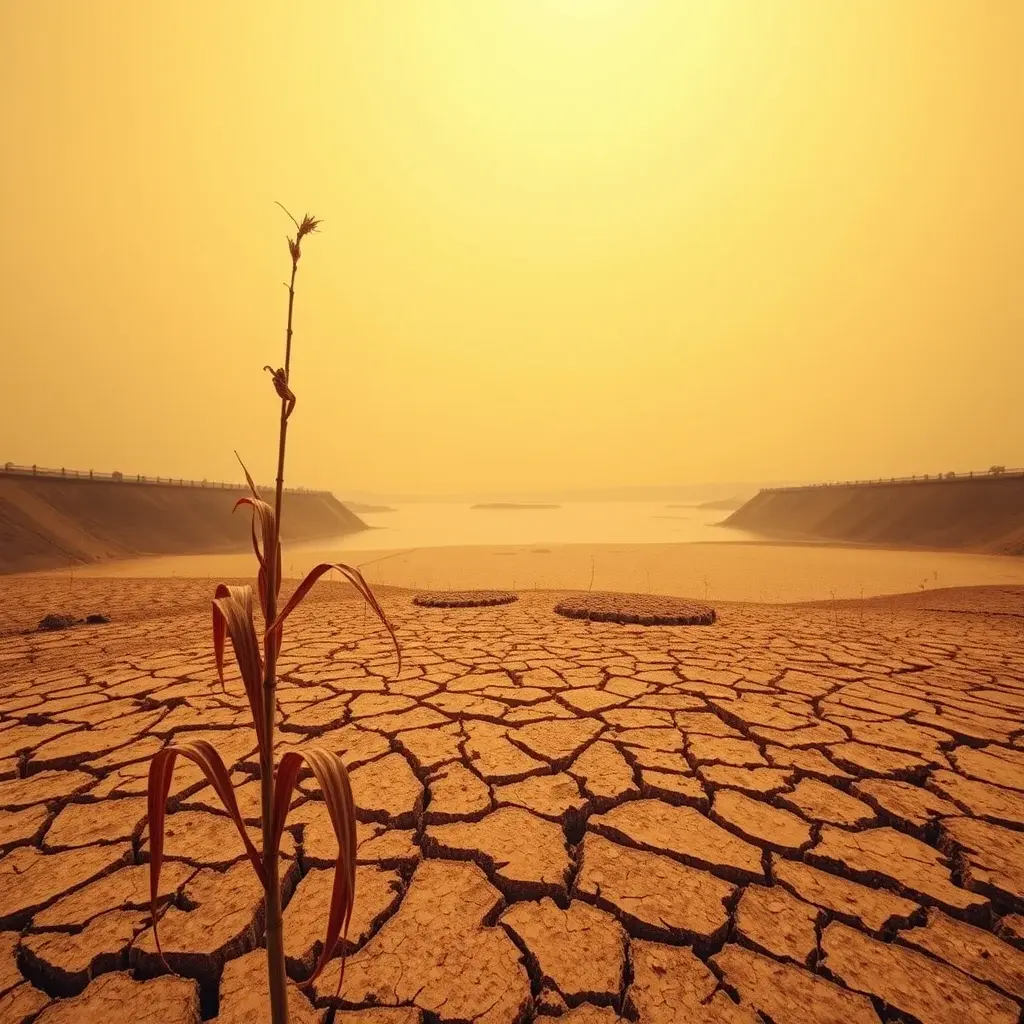
Ghana is on high alert as climate models increasingly predict the likelihood of a “Super El Niño” event developing between mid-2026 and early 2027, potentially triggering prolonged dry spells, reduced rainfall, and increased temperatures. This phenomenon, linked to severe droughts and economic hardship in the past, could significantly disrupt the nation’s agricultural sector, energy production, and overall economy.
Understanding El Niño and Super El Niño Events
El Niño is part of a natural climate cycle called the El Niño–Southern Oscillation (ENSO), which originates in the tropical Pacific Ocean. During an El Niño phase, sea surface temperatures in the central and eastern equatorial Pacific become unusually warm, weakening trade winds and altering global atmospheric circulation patterns. These changes, known as teleconnections, can influence weather conditions far beyond the Pacific, often bringing hotter and drier conditions to West Africa and Ghana.
A “Super El Niño” is a particularly intense phase, characterized by sea-surface temperature anomalies in the Niño 3.4 region exceeding +1.5°C above average, often reaching +2°C to +3°C or higher. These rare, high-impact events, such as those in 1982/83, 1997/98, and 2015/16, have historically caused severe global disruptions, including devastating droughts, floods, and food crises.
Historical Precedents in Ghana
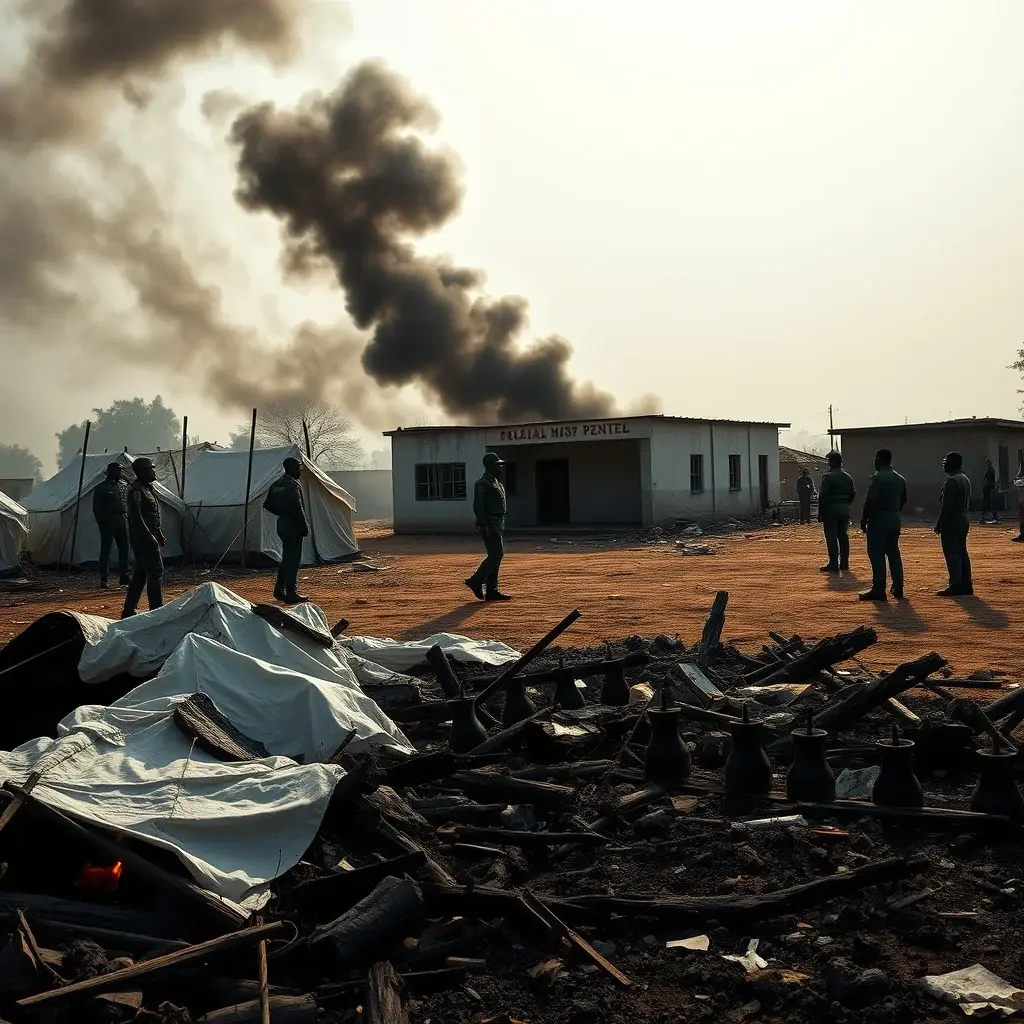
Ghana has experienced the devastating effects of Super El Niños firsthand. The 1982/83 event coincided with a severe drought, leading to critical rainfall deficits, crop failures, widespread bushfires, and a near collapse of cocoa production. This period also saw significant environmental degradation and substantial economic losses, exacerbated by a concurrent humanitarian crisis.
The 1997/98 Super El Niño brought a different challenge: drastically reduced rainfall led to critically low water levels in the Akosombo Dam’s Volta Lake. This significantly curtailed hydropower generation, Ghana’s primary energy source at the time, resulting in severe electricity shortages and prolonged load shedding that crippled businesses and daily life. This event underscored the nation’s heavy reliance on a single, rainfall-dependent energy infrastructure.
Projected Impacts of the 2026/2027 Super El Niño
Current climate models and forecasting agencies, including NOAA and the International Research Institute for Climate and Society, indicate a high probability of a strong or even super El Niño event occurring late 2026 and peaking into early 2027. Ensemble models from the ECMWF, NOAA, and Australia’s Bureau of Meteorology suggest temperature anomalies could rival or surpass the 1997/98 record. Crucially, this event is building on the warmest ocean temperatures recorded, amplified by climate change, potentially leading to even more severe impacts than historical events.
For Ghana, a repeat of these conditions could lead to significant hydropower shortfalls. With electricity demand having grown substantially since 1998 due to urbanization and industrial expansion, a reduction in water inflows to the Akosombo, Kpong, and Bui dams could trigger a severe energy crisis. The nation’s energy sector, already facing structural challenges, would be particularly vulnerable.
Reduced agricultural production is another major concern. Ghana’s heavy reliance on rain-fed agriculture means that suppressed rainy seasons, shortened durations, and intensified dry spells could devastate yields of staple crops like maize, yam, and sorghum, as well as the vital cocoa sector. This threatens both national food security and crucial export revenues.
Furthermore, prolonged drought and dry harmattan conditions significantly increase the risk of devastating bushfires, impacting biodiversity and carbon sinks. Urban market fires, already a recurring hazard, could become more frequent and severe.
The Iran Conflict Multiplier Effect
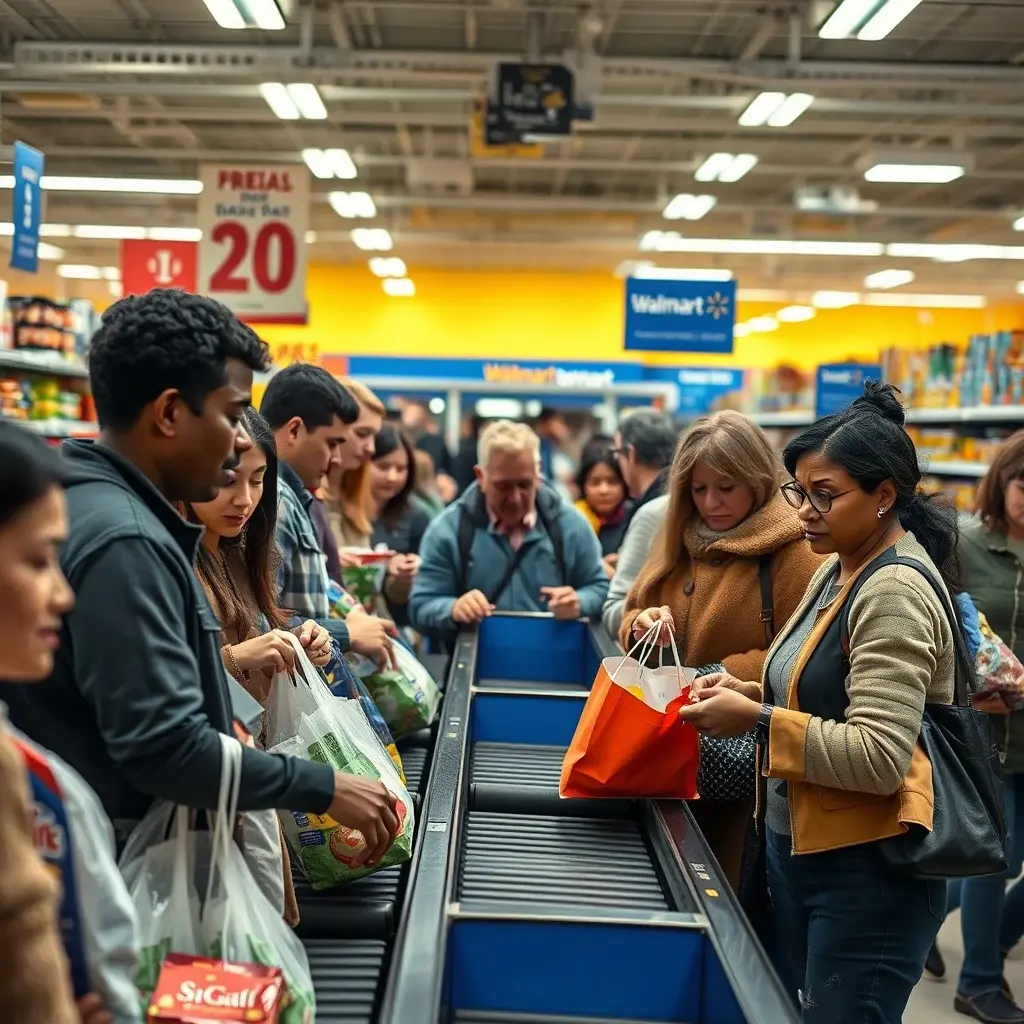
These climate-related risks are compounded by current global geopolitical instability. The ongoing conflict in Iran has disrupted global agricultural input markets, sharply increasing fertilizer prices. Urea prices have risen significantly, making it harder and more expensive for Ghanaian farmers to access essential nutrients for their crops. Elevated fuel and shipping costs further exacerbate pressure on food and energy prices, potentially transforming a serious climate crisis into a comprehensive food security catastrophe.
Preparing for the Challenge
Despite the grim projections, Ghana has a window to prepare. Continuous monitoring and early warning systems are crucial. State agencies must track the El Niño’s evolution and provide timely, actionable guidance to farmers on planting, drought-tolerant varieties, and soil moisture conservation. Public education campaigns are vital, translating climate forecasts into practical, accessible advice.
The National Disaster Management Organisation (NADMO) and the Ghana National Fire Service (GNFS) must initiate proactive contingency planning. This includes pre-positioning emergency resources in vulnerable districts and activating community volunteer networks. The GNFS should conduct pre-season inspections of major markets to ensure fire safety infrastructure is adequate.
Accelerating solar energy deployment is a critical response to potential hydropower deficits. Ghana’s abundant solar resources can be leveraged through rooftop installations on public buildings and other infrastructure, providing resilience without the vulnerability of fuel imports.
Encouraging backyard and urban farming can serve as a vital buffer against large-scale agricultural disruptions. Household-level food production can reduce dependence on squeezed market food chains during periods of drought and high import costs.
Ghana has navigated Super El Niños before, but the lessons from past events highlight the critical difference preparation makes. Communities that received early warnings and prepared accordingly fared significantly better. The coming months offer a narrow but crucial opportunity to implement robust strategies to mitigate the potential impacts of the 2026/2027 Super El Niño.







Leave a Reply