
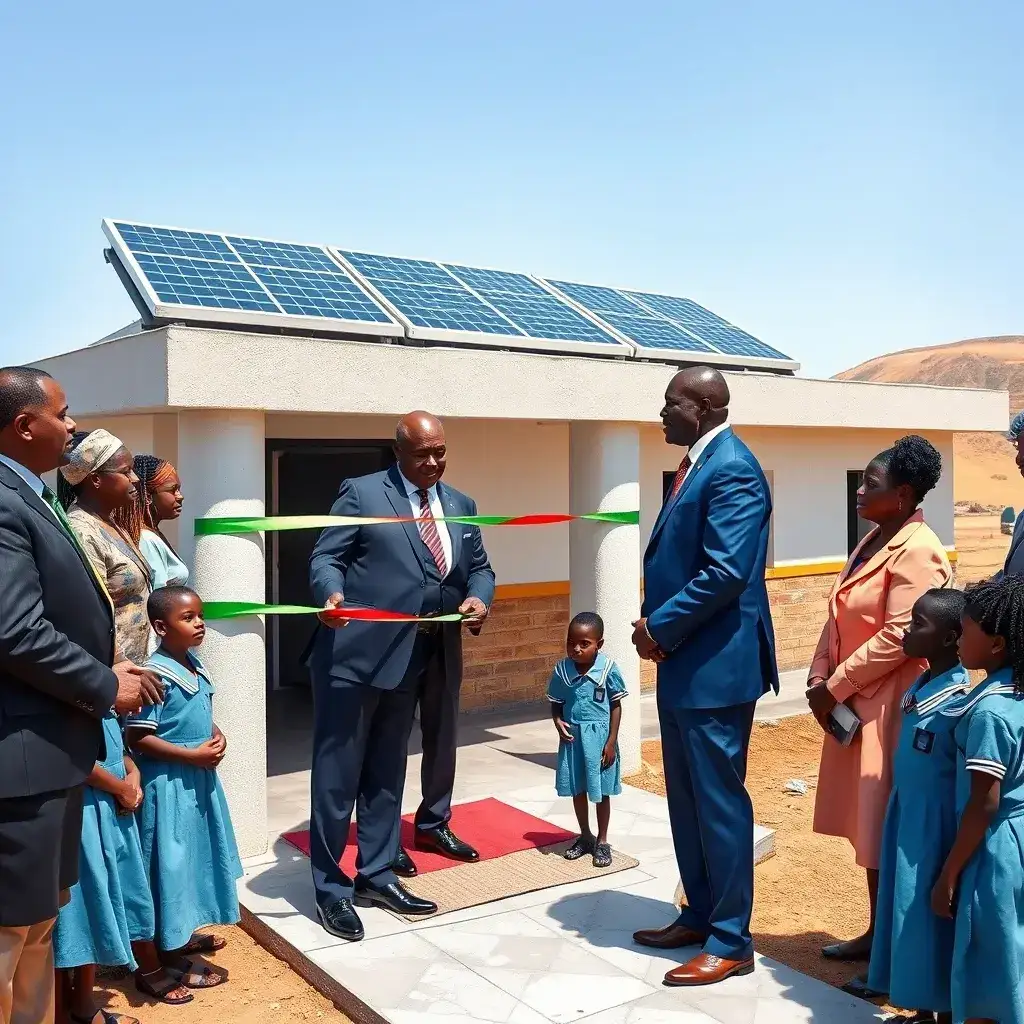
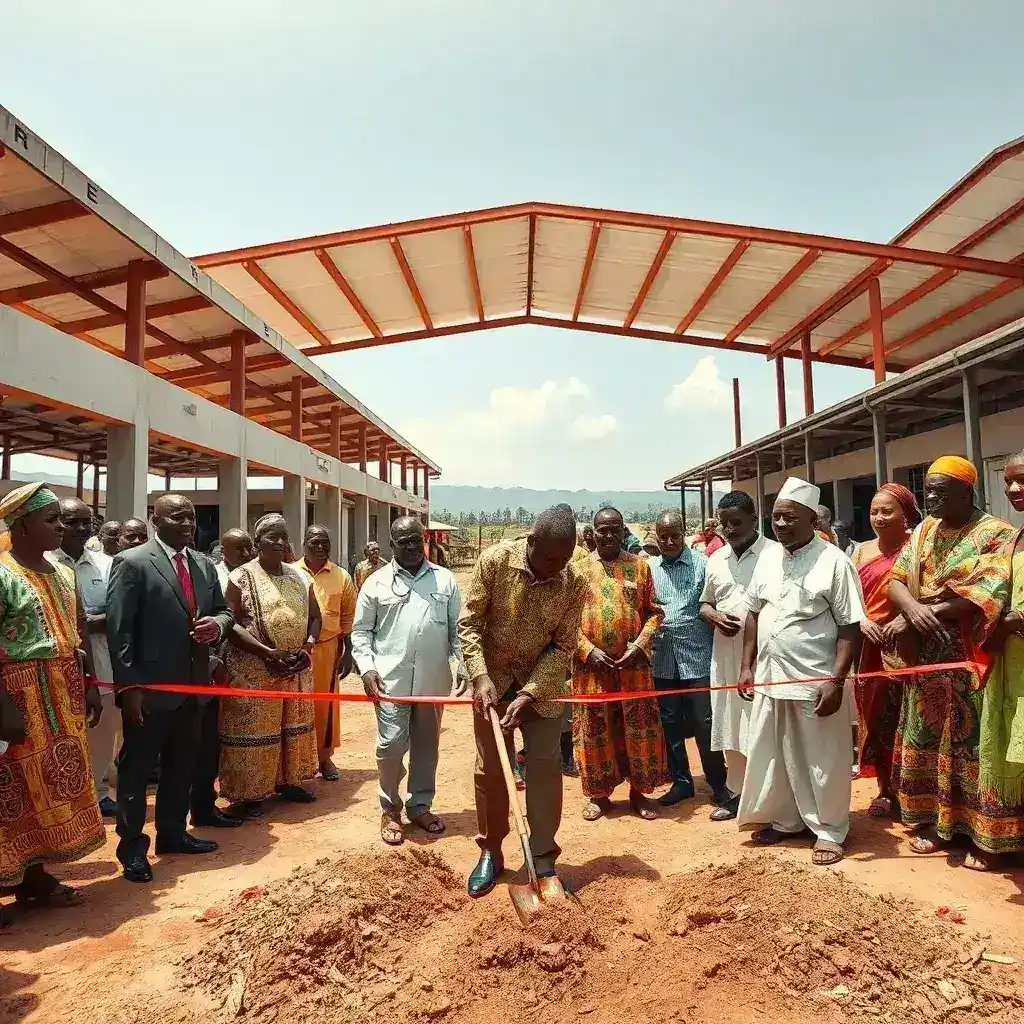
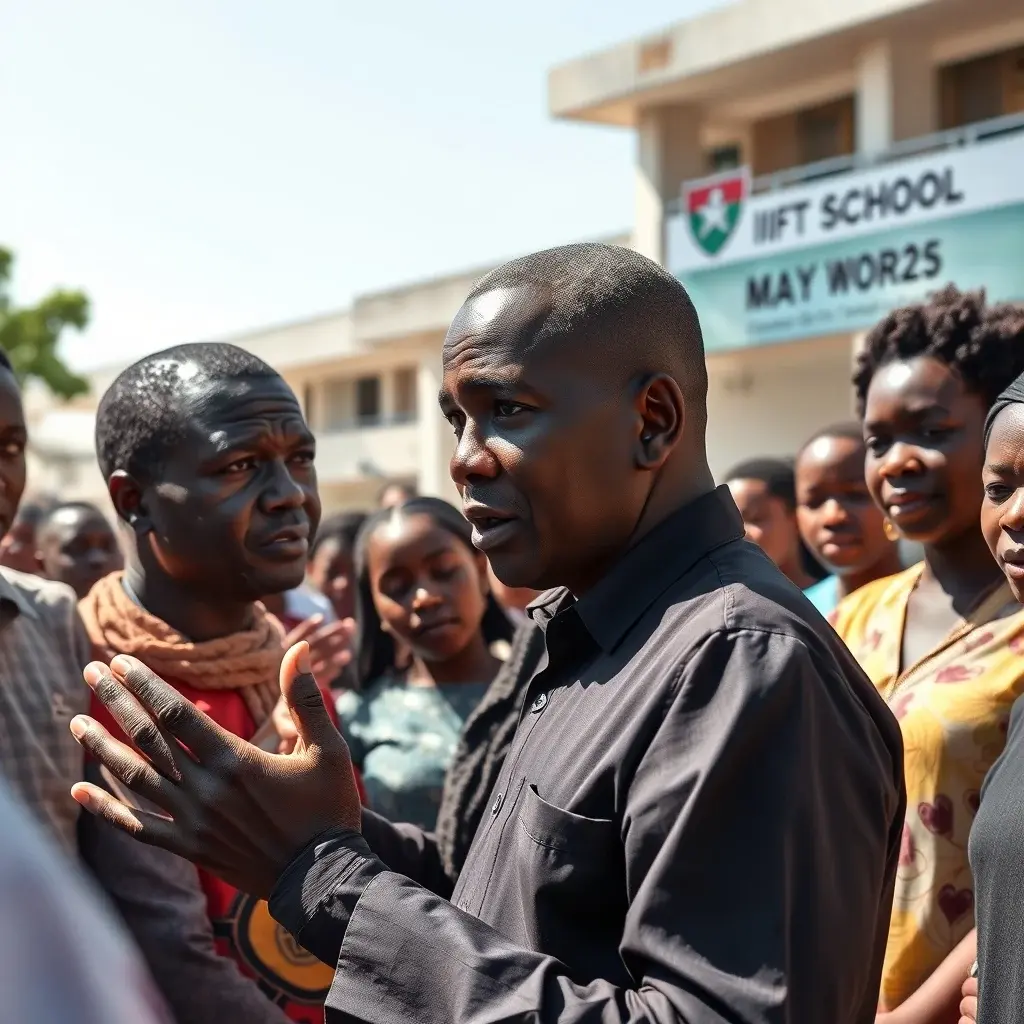
President John Mahama commissioned the Yamoransa Model Lab 13 in Damongo, Savannah Region, on [Insert Date of Commissioning – e.g., Tuesday], marking a significant stride in equipping young Ghanaians with essential digital and innovation skills for the future. The project, which he championed, directly supports the government’s Basic, Science, Technology, Engineering, and Mathematics (B-STEM) agenda.
Advancing STEM Education
The newly established lab is designed to provide practical learning experiences in Science, Technology, Engineering, Arts, and Mathematics (STEAM). It aims to bridge the gap in digital literacy and foster innovation among students, particularly in underserved communities.
President Mahama highlighted the facility’s role in complementing existing educational initiatives. “Yesterday, we launched the B-STEM school in Sawla, where we are teaching our children science, technology, engineering and mathematics,” he stated. “These labs allow them to continue to hone their skills, especially in information and communications technology.”
A “Green Lab” for Sustainable Learning
A notable feature of Yamoransa Model Lab 13 is its commitment to renewable energy. The facility is powered entirely by solar energy, earning it the description of a “green lab.” This sustainable approach ensures uninterrupted operation, free from the challenges of conventional power supply issues.
“We won’t have the issue where NEDCo comes and cuts them off because they haven’t paid their electricity bill,” President Mahama remarked, emphasizing the practical benefit of the renewable energy system.
Expanding the Network of Digital Hubs
The Yamoransa Model Lab Programme is an initiative focused on establishing ICT centers that offer advanced learning tools. These centers are equipped with educational content, multimedia resources, robotics tools, augmented and virtual reality learning systems, and 3D printing technology.
President Mahama urged for enhanced collaboration between governmental bodies, district assemblies, and development partners to facilitate the replication of such ICT centers nationwide. He proposed a partnership model where district assemblies provide the infrastructure, and organizations like the Helping Africa Foundation supply and install the necessary equipment.
Fostering Innovation and Future Readiness
The program’s core objective is to expose students to modern digital tools and innovation-driven learning methodologies. By integrating practical application with theoretical knowledge, the labs prepare students for the demands of a rapidly evolving technological landscape.
The initiative underscores a broader national strategy to integrate technology into education and cultivate a generation of skilled individuals capable of contributing to Ghana’s digital economy. The focus on STEAM education is crucial for developing critical thinking, problem-solving abilities, and creativity.
Implications for the Future
The commissioning of Yamoransa Model Lab 13 signifies a crucial step towards democratizing access to advanced technological education in Ghana. Its success could pave the way for a wider rollout of similar facilities, significantly impacting the country’s human capital development in STEM fields.
The focus on renewable energy also sets a precedent for sustainable infrastructure in educational projects. As Ghana continues to embrace digital transformation, such initiatives are vital for ensuring that no community is left behind. The long-term implications include a more skilled workforce, increased innovation, and enhanced competitiveness in the global digital economy. Observers will be watching to see how effectively the proposed collaboration model is implemented to scale this initiative across other regions.



Leave a Reply