
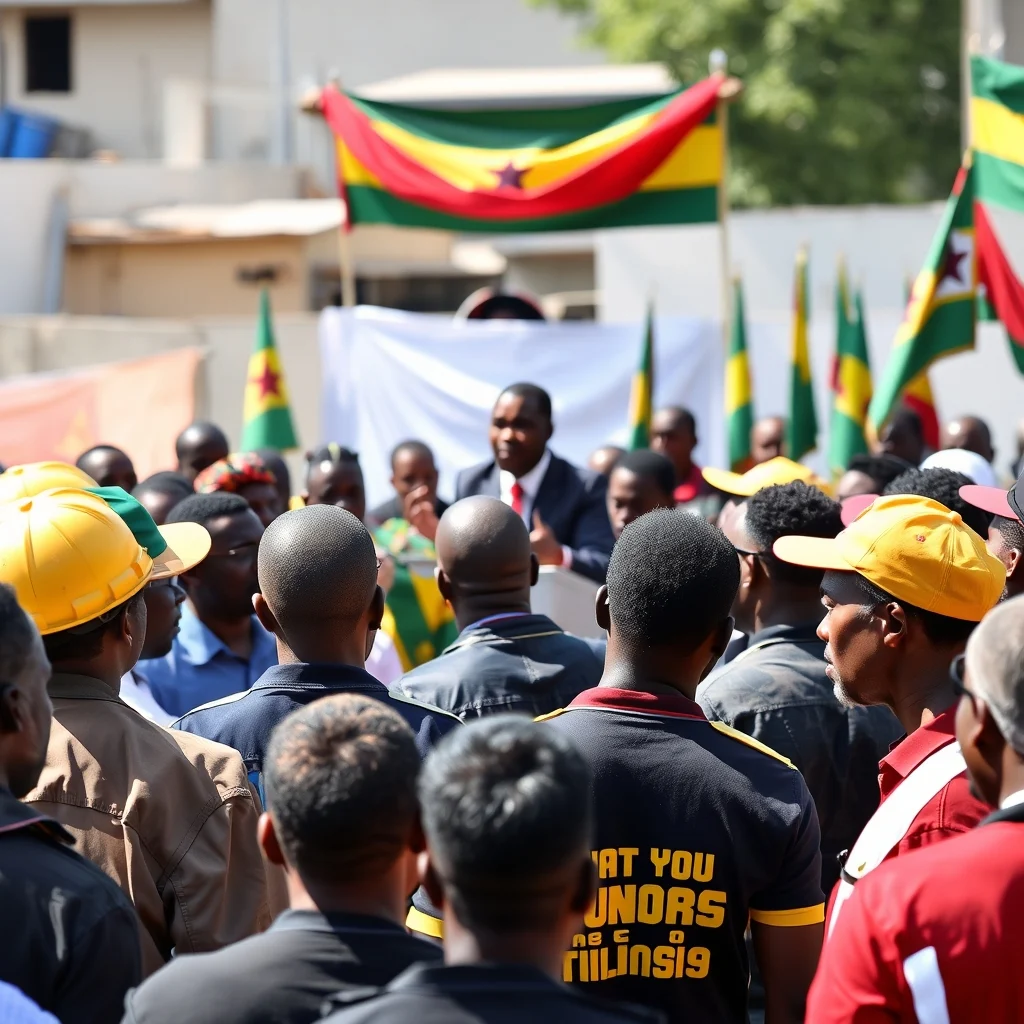
President John Dramani Mahama has called on Ghana’s Organized Labour to take a more proactive stance in overseeing State-Owned Enterprises (SOEs). Speaking at the 2026 May Day celebration in Koforidua on Friday, May 1, he emphasized that workers bear the brunt of mismanagement in these institutions and urged the Trades Union Congress (TUC) to demand accountability from SOE management and governing boards.
Context: SOE Performance and Economic Growth
The President’s address comes at a time when the government is focusing on economic growth, with a particular emphasis on the role of robust human capital and efficiently managed public institutions. SOEs are critical components of Ghana’s economy, and their performance directly impacts national development, job creation, and public service delivery.
Mahama’s Call for Accountability
“I urge the TUC and Organised Labour not to sit back and look on aloof when management and governing boards are mismanaging their enterprises,” President Mahama stated. He underscored the direct consequences of SOE failures on the workforce. “Because when these enterprises collapse, it is the workers who suffer the most,” he added. He implored labor unions to actively identify and report issues to ensure corrective measures are implemented.
Government Efforts to Revive SOEs
President Mahama highlighted government initiatives aimed at revitalizing struggling SOEs. He noted that several key state institutions are demonstrating signs of recovery following periods of financial difficulty. The Tema Oil Refinery has reportedly resumed operations, and institutions like the Agricultural Development Bank and the National Investment Bank have received recapitalization to enhance their performance.
Furthermore, the President indicated that the Tema Shipyard is moving towards stability, alongside other state enterprises that are now operating with increased efficiency. These interventions are part of a wider strategy to restore confidence in public institutions and ensure their effective contribution to job creation and economic advancement.
Strengthening Human Capital and Public Institutions
“As we pivot to growth, we must strengthen the human capital that drives it. A Reset Ghana means a healthy Ghana,” President Mahama emphasized. This statement links the success of economic reforms directly to the well-being and capabilities of the workforce and the effectiveness of the institutions that employ them.
Implications for Workers and the Economy
The President’s call signifies a shift towards greater stakeholder involvement in the governance of SOEs. By urging Organized Labour to be more vigilant, the government acknowledges the crucial role that workers and their representatives play in ensuring the sustainability and success of these enterprises. This increased oversight could lead to improved operational efficiency, better financial management, and ultimately, greater job security for workers.
For the broader economy, the revitalization of SOEs is expected to bolster public confidence, stimulate investment, and contribute to more stable economic growth. The success of these revival efforts will be closely watched as indicators of the government’s ability to manage public assets effectively and foster a productive economic environment.
Looking ahead, the effectiveness of Organized Labour’s engagement with SOE management and governing boards will be a key factor to monitor. The government’s continued commitment to recapitalizing and restructuring these entities, coupled with enhanced accountability mechanisms, will shape the future performance of Ghana’s state-owned enterprises and their impact on the nation’s economic trajectory.







Leave a Reply