
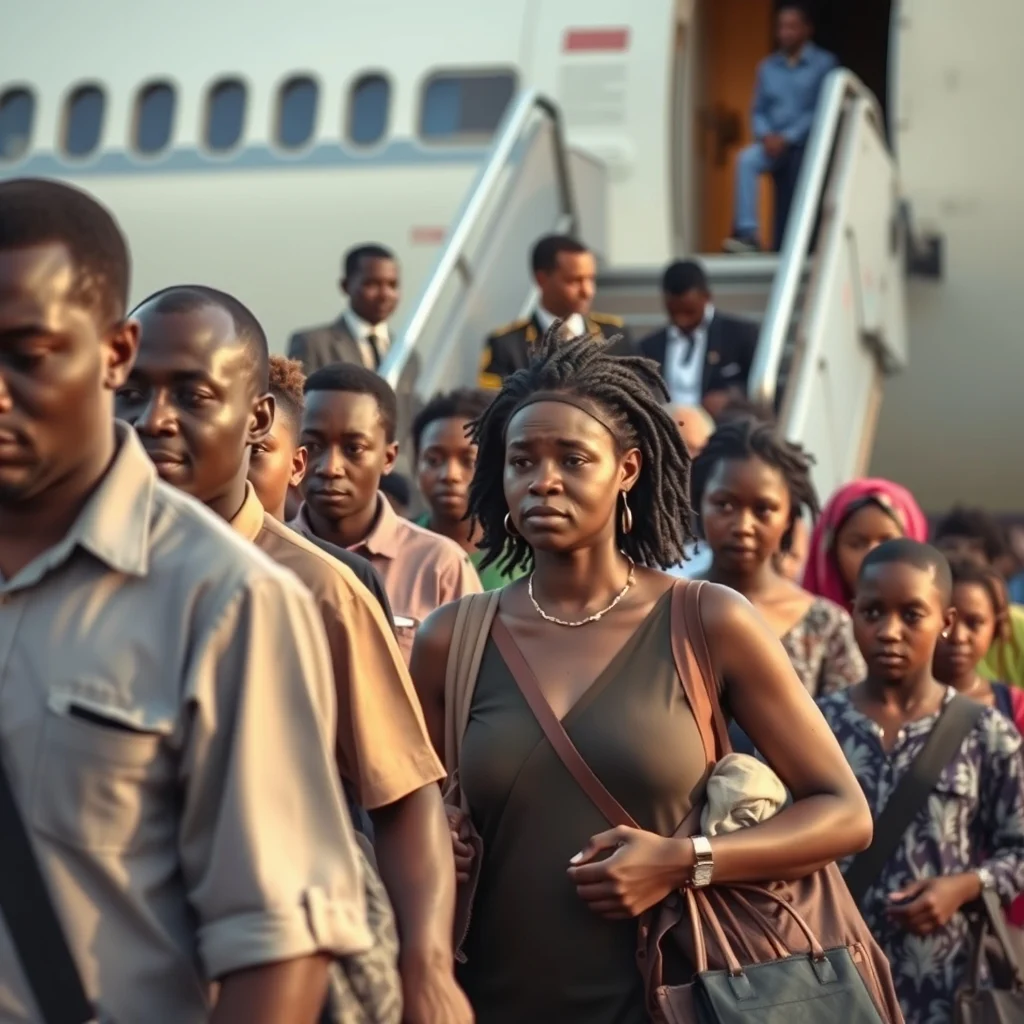
The first group of Ghanaians being evacuated from South Africa due to escalating xenophobic tensions is scheduled to arrive in Accra on Wednesday, May 27. The airlift plan was confirmed by Ghana’s High Commissioner to South Africa, Benjamin Quashie, amidst growing concerns for the safety of foreign nationals in various parts of the country.
Context of the Evacuation
Recent reports of xenophobic attacks in South Africa have heightened fears among foreign communities, prompting diplomatic efforts for repatriation. The Ghanaian government, in collaboration with South African authorities, has initiated a phased evacuation process to ensure the safe return of its citizens. This move comes after an initial evacuation plan, slated for May 21, was postponed due to a larger-than-anticipated number of Ghanaians registering for return.
Details of the Airlift
High Commissioner Quashie disclosed that Ghanaian officials are working diligently with their South African counterparts to finalize screening and verification procedures. “We are screening them, and once we are done, we will let them know the number of people who will be going to Ghana,” he stated in an interview with DW Africa. The first flight is expected to carry approximately 300 passengers.
The South African Department of Home Affairs is involved in the final departure arrangements. “Home Affairs will set up at 10 am today for them to be able to leave on Wednesday at 6 am for Ghana,” Quashie explained. This indicates a coordinated effort to manage the logistics of the departures efficiently.
Phased Evacuation and Future Flights
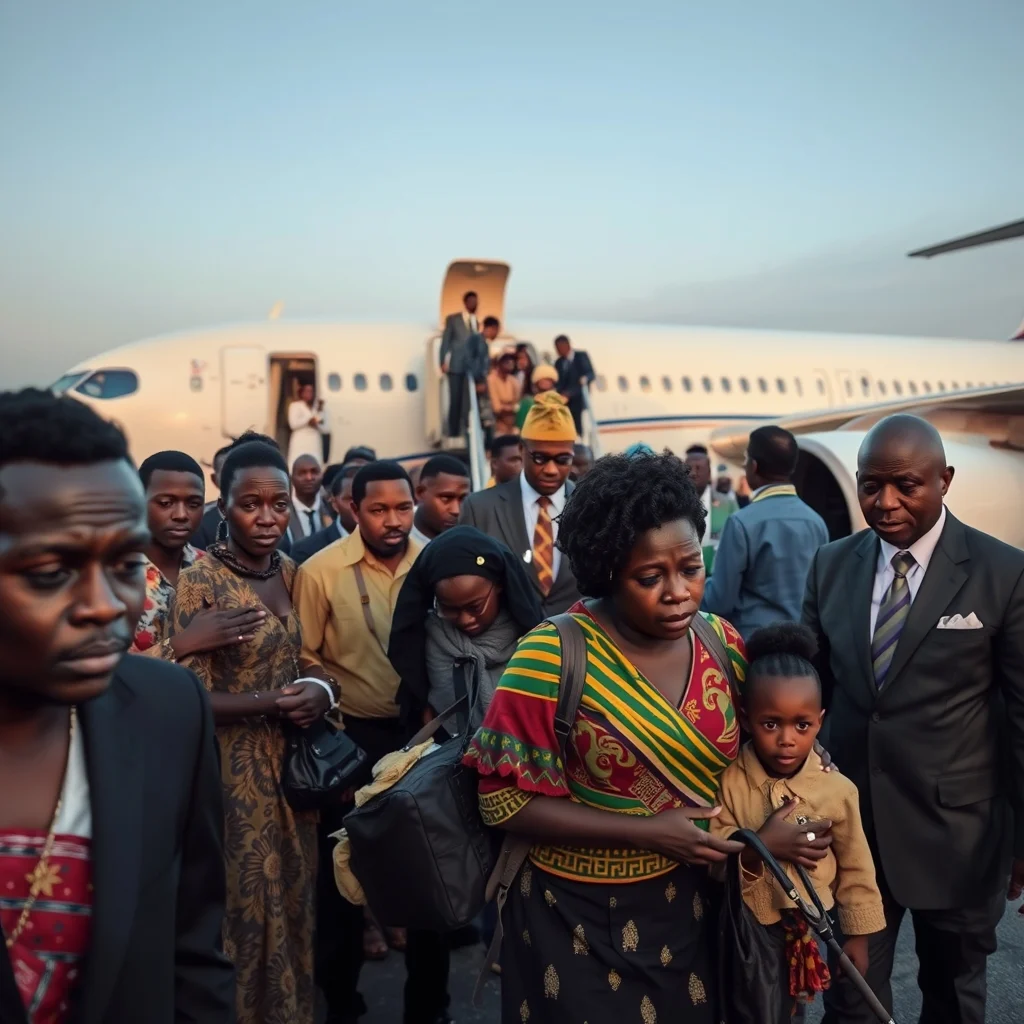
The evacuation is designed as a multi-stage operation to manage the flow of returnees effectively. Following the initial flight, two more aircraft are planned in the subsequent days. “The first group has an aircraft that will take 300, and after a few days, we will take another 300, and then there will be a third flight with another 300 to ensure that we get everyone home,” the High Commissioner elaborated.
This phased approach aims to ensure order, safety, and proper coordination for all affected Ghanaian nationals. The decision to postpone the initial May 21 departure underscores the scale of the response required due to the growing safety concerns.
Expert Perspectives and Broader Implications
While specific expert commentary from this article is not available, the situation reflects a recurring issue of xenophobia in South Africa. Previous incidents have highlighted the challenges faced by foreign nationals and the complexities of addressing the root causes of such violence. Organizations like the UNHCR have often called for greater protection measures for refugees and migrants in the region.
The evacuation of a significant number of Ghanaians points to the severity of the perceived threat to their safety. This situation has broader implications for Ghana, potentially impacting remittances and the social fabric if many citizens are forced to return. For South Africa, such incidents can damage its international reputation and strain diplomatic relations with other African nations.
Looking Ahead
The successful completion of these evacuation flights will be closely monitored. Future developments will likely depend on the stability of the situation in South Africa and the ongoing efforts by both governments to ensure the safety and well-being of remaining Ghanaian citizens. The long-term implications for Ghanaian diaspora in South Africa and the bilateral relationship between the two countries remain a key area to watch.









Leave a Reply