
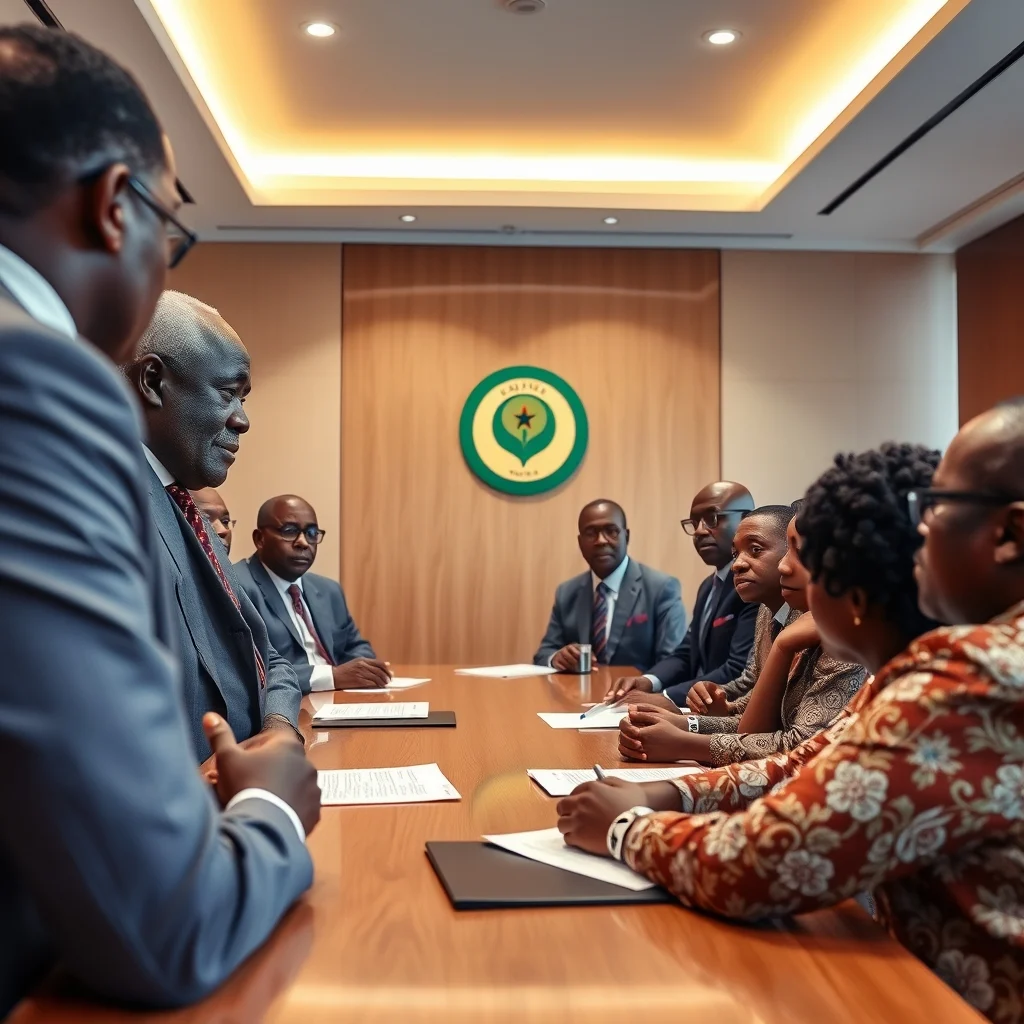
Former National Chairman of the New Patriotic Party (NPP), Paul Afoko, has called upon the party’s Minority Caucus in Parliament to lead a strategic initiative aimed at restoring the NPP to its winning trajectory. Afoko presented his plan, known as the “3R Agenda,” during a private meeting with the lawmakers, emphasizing reunification, rebuilding, and recapturing political power.
Background: A Call for Unity
Afoko’s intervention comes at a time when the NPP is looking to consolidate its position and strategize for future electoral contests. He indicated that recent party developments prompted his public engagement after years of working behind the scenes. His core message stressed the urgency of internal cohesion to achieve electoral success.
The former chairman highlighted the critical role of the Minority MPs, not only as legislative representatives but also as crucial unifying figures within the party’s structure. He warned that without a concerted effort to mend internal rifts, the party’s aspirations for a return to power could be jeopardized.
The “3R Agenda” Explained
The “3R Agenda” is presented as a comprehensive roadmap designed to address perceived weaknesses and re-energize the party’s base. The three pillars of the strategy are:
- Reunite: This involves healing internal divisions and fostering renewed trust among various factions within the NPP.
- Rebuild: This component focuses on strengthening the party’s organizational structures, from the grassroots polling station level up to the national executive.
- Recapture: The final stage aims to re-establish a strong connection with the party’s traditional voter base and present a unified, credible image to the Ghanaian electorate.
Lessons from the Past
Drawing on his experience as National Chairman, Afoko referenced the NPP’s 2014 presidential primaries as an example of successful internal discipline and unity. He recalled a period where all candidates respected the primary outcomes, preventing any defections or independent runs. He mentioned figures like Sammy Awuku as witnesses to the organizational strength and trust prevalent at that time.
Afoko observed that the party’s electoral support base has diminished over time. He attributed this weakening, in part, to internal competition for positions that often arises when the NPP is in government, leading to factionalism.
Data and Historical Performance
Afoko pointed to historical voting patterns, noting that the NPP has historically secured stronger vote percentages than the National Democratic Congress (NDC), even when in opposition. This suggests a robust underlying support base that, according to Afoko, needs to be reactivated and strengthened.
“Our base is strong, but it has weakened. The question now is: how do we win it back?” Afoko stated, framing the central challenge for the party.
Afoko’s Appeal and Track Record
The former chairman appealed to party members to embrace the “3R Agenda,” asserting his own capability to deliver results based on his past performance. He described himself as result-oriented and expressed confidence that collective support could lead to the party’s resurgence.
He urged the NPP to move beyond internal conflicts and concentrate on regaining the confidence of Ghanaians in preparation for upcoming elections.
Future Outlook
The success of Afoko’s “3R Agenda” will depend on the willingness of the NPP’s leadership and rank-and-file members to engage in the proposed processes of reconciliation and structural reform. The coming months will reveal whether the Minority Caucus and other party stakeholders will champion this strategic push for unity and revitalization, and how effectively these efforts translate into strengthened grassroots support and a more cohesive national campaign.










Leave a Reply