
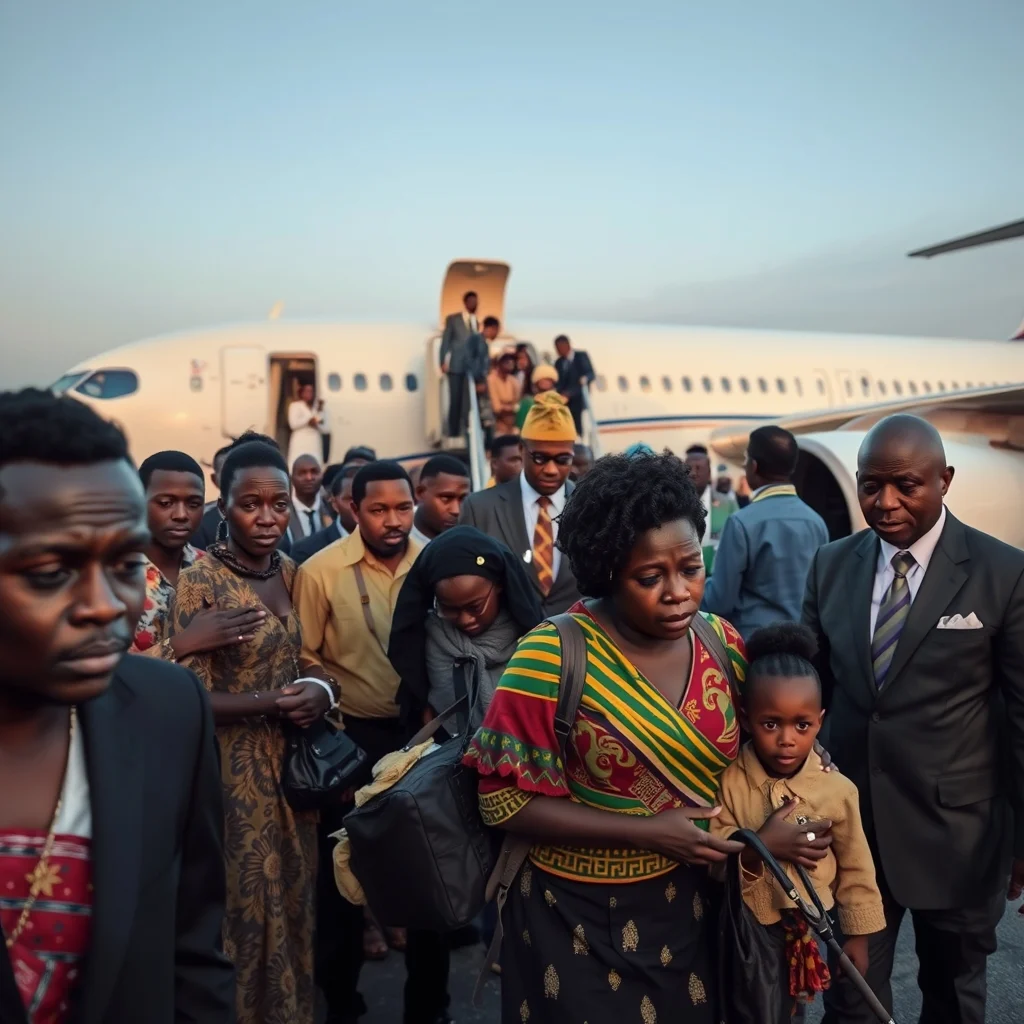
The first batch of Ghanaians being evacuated from South Africa due to escalating xenophobic tensions is scheduled to arrive in Accra on Wednesday, May 27. Ghana’s High Commissioner to South Africa, Benjamin Quashie, confirmed the imminent departure, which follows fresh reports of violence against foreign nationals in various parts of the country.
Context of Rising Tensions
Renewed fears of xenophobic violence have gripped South Africa, prompting several foreign governments to consider or initiate evacuation plans for their citizens. These incidents, often fueled by economic grievances and social tensions, disproportionately affect migrants from other African nations, including Ghana. The South African government has repeatedly condemned such acts and pledged to ensure the safety of all residents, but reports of attacks persist, leading to increased anxiety among expatriate communities.
Evacuation Underway
Ambassador Quashie stated in an interview with DW Africa on Sunday, May 24, that Ghanaian authorities are working diligently with their South African counterparts to facilitate the safe return of its citizens. The process involves thorough screening and verification of individuals seeking to leave.
Officials are reportedly working “around the clock” to streamline the departure process. “We are screening them, and once we are done, we will let them know the number of people who will be going to Ghana,” Quashie explained.
The initial group is expected to comprise between 200 and 300 Ghanaians. The South African Department of Home Affairs is involved in the final logistical arrangements. “Home Affairs will set up at 10 am today for them to be able to leave on Wednesday at 6 am for Ghana,” the High Commissioner added.
Phased Return and Future Flights
The evacuation is planned as a phased operation to ensure order and safety. This initial flight is set to carry approximately 300 passengers. However, the plan extends beyond this first departure, with arrangements in place for subsequent flights.
“The first group has an aircraft that will take 300, and after a few days, we will take another 300, and then there will be a third flight with another 300 to ensure that we get everyone home,” Quashie detailed.
The evacuation exercise was initially slated to commence on May 21 but was postponed. This delay was attributed to a higher-than-anticipated number of Ghanaians registering for repatriation amid escalating safety concerns. The phased approach is intended to manage the numbers effectively and ensure a coordinated and safe return for all affected nationals.
Expert Perspectives and Data
Xenophobic violence in South Africa is a recurring issue, often linked to economic hardship and perceived competition for jobs and resources. Reports from organizations like the UN High Commissioner for Refugees (UNHCR) have consistently highlighted the vulnerability of refugees and migrants in the country. While specific numbers for the current wave of incidents are still being compiled, past events have seen thousands displaced and hundreds killed over the years.
Implications for Ghana and South Africa
The ongoing evacuations highlight the persistent challenges of xenophobia in South Africa and the diplomatic efforts required to protect foreign nationals. For Ghana, the return of its citizens, even under duress, represents a commitment to their safety. The process also places a strain on resources for reintegration and support upon arrival.
For South Africa, these incidents continue to damage its international reputation and pose significant challenges to social cohesion. The government faces pressure to implement more effective measures to prevent violence and prosecute perpetrators.
What to Watch Next
Attention will now focus on the successful execution of the subsequent flights and the number of Ghanaians who ultimately choose to return. The long-term implications for diplomatic relations between Ghana and South Africa, as well as South Africa’s internal efforts to combat xenophobia, will be crucial to monitor. Observers will also be watching for any official statements or actions from both governments regarding the root causes and prevention of future xenophobic incidents.








Leave a Reply