
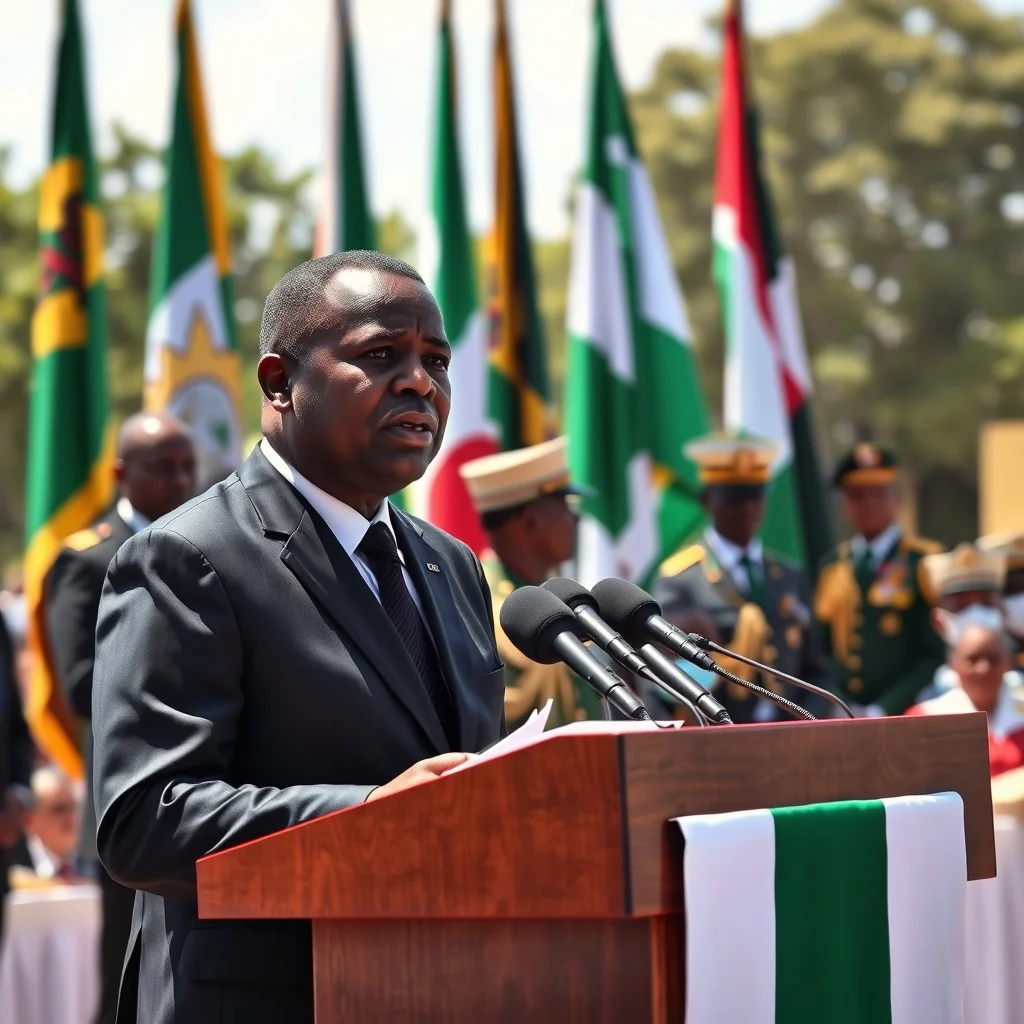
Benin’s newly inaugurated President Romuald Wadagni took office on Sunday, vowing to tackle escalating security threats and ensure that the nation’s economic progress translates into tangible improvements in the daily lives of its citizens. His election on April 12, where he secured over 94% of the vote against challenger Paul Hounkpe, was officially confirmed by the Constitutional Court on the same day he was sworn in.
Wadagni, a 49-year-old former finance minister who served for a decade, succeeds Patrice Talon, who completed his second term in office, adhering to constitutional term limits. The transition marks a new chapter for the West African nation, with expectations that Wadagni will continue the reform agenda initiated by his predecessor, which has been credited with fostering steady economic growth and enhancing Benin’s business environment.
Continuity and Change in Economic Policy
In his inaugural address, Wadagni acknowledged the economic strides made under the previous administration. “Our economy has progressed. That’s a fact,” he stated. However, he emphasized that the true measure of success lies in its impact on the populace. “But we all know that national growth only makes sense when it becomes visible in people’s everyday lives,” Wadagni declared.
His administration’s priorities will therefore focus on job creation, expanding access to essential services, and strengthening social protection programs. Wadagni articulated a vision where development is broadly experienced across all segments of society and every region of the Republic. This suggests a commitment to inclusive growth, aiming to bridge any existing disparities in economic benefits.
Addressing Mounting Security Challenges
Beyond economic concerns, Wadagni directly addressed the growing security challenges facing Benin. The nation has experienced an increase in attacks in its northern regions, attributed to the spillover of jihadist groups operating from the Sahel. This regional instability poses a significant threat to national security and economic stability.
“Benin will not yield to fear or complacency,” Wadagni asserted, signaling a firm stance against terrorism and extremism. He pledged to bolster cooperation with neighboring countries that are also contending with similar security threats. Representatives from several Sahelian nations, including Niger, Burkina Faso, and Mali, were present at the inauguration, underscoring the regional dimension of this challenge.
Commitment to Democratic Norms
In a region where some leaders have sought to prolong their time in power, Wadagni also underscored his dedication to democratic principles. He stated, “I will serve with the constant awareness that power is never a personal privilege.” This commitment is particularly significant given the recent context in Benin.
The outgoing government narrowly averted a coup attempt in December, highlighting the precarious political and security landscape. Wadagni’s emphasis on democratic governance and the respect for constitutional limits aims to reassure both domestic and international stakeholders about the stability and predictability of Benin’s political future.
Regional Cooperation and Future Outlook
The inauguration of Romuald Wadagni brings a focus to Benin’s dual challenges of fostering inclusive economic development and combating regional security threats. His background as a long-serving finance minister suggests a continuity in economic management, while his explicit focus on social impact indicates a potential shift towards more people-centric policies.
The success of Wadagni’s administration will likely depend on his ability to balance these priorities. Strengthening security cooperation with neighbors is crucial for containing the spread of extremism, and his commitment to democratic norms will be key to maintaining political stability within Benin. The coming months will reveal how effectively his administration translates these pledges into concrete actions and addresses the pressing needs of the Beninese people.










Leave a Reply