
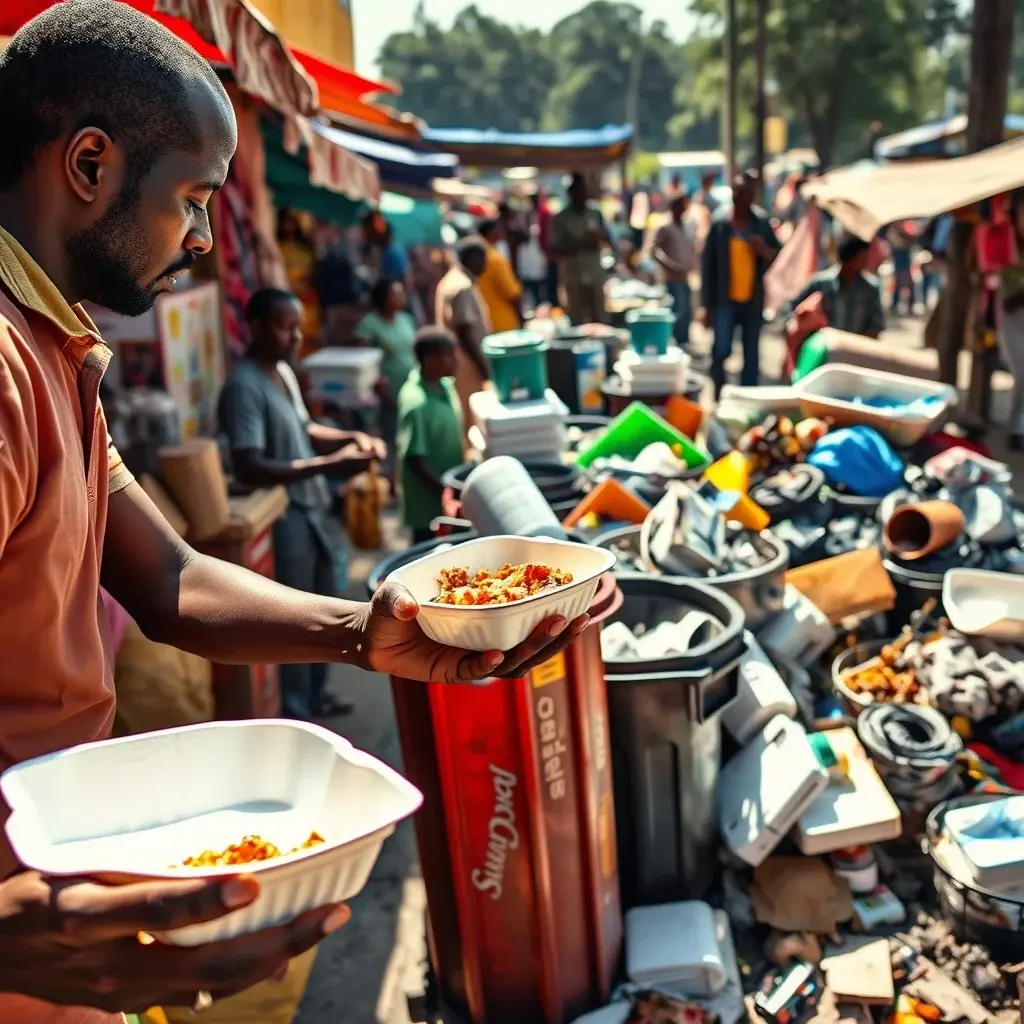
Ghana is set to implement a comprehensive ban on all polystyrene foam products, commonly known as Styrofoam, from January 1, 2027. The Environmental Protection Authority (EPA) announced this directive, which prohibits the production, importation, distribution, sale, and use of these materials as part of a significant national effort to curb plastic pollution and enhance environmental sanitation.
Broader Environmental Strategy
This policy is a key component of Ghana’s wider strategy to promote sustainable consumption and safeguard public health from the adverse effects of plastic waste. The announcement follows a declaration made by John Dramani Mahama during the 2025 World Environment Day celebrations, signaling the government’s commitment to environmental protection.
Scope of the Ban
The directive, communicated to manufacturers, importers, distributors, retailers, food vendors, and hospitality operators, covers all forms of expanded polystyrene (EPS) foam products. This includes a wide array of items used in both commercial and domestic settings.
Products affected by the ban encompass food packaging containers, takeaway boxes, disposable cups and plates, and foam packs commonly used by restaurants and local eateries. Additionally, the prohibition extends to insulation materials, foam mattresses, bedding products, and packaging or cushioning materials.
The EPA has clarified that the ban applies to any polystyrene foam product intended for human use or activities related to consumption. However, specific EPS products utilized for medical, scientific, laboratory, and diagnostic purposes will be exempt, provided they receive approval from the relevant regulatory bodies.
Transition Period and Stakeholder Engagement
A crucial transition period leading up to January 2027 has been established to allow businesses and consumers sufficient time to adapt. This period is designed to facilitate a shift towards safer and more environmentally sustainable alternatives to Styrofoam.
Manufacturers, importers, and distributors are urged to commence preparations immediately. They are directed to explore and adopt reusable, recyclable, and eco-friendly packaging materials to comply with the upcoming regulations.
The EPA plans to conduct extensive nationwide stakeholder engagements and technical consultations throughout this transition. Public education campaigns will also be a priority to ensure a smooth and informed implementation of the policy across the country.
Enforcement and Public Cooperation
To ensure full adherence, the EPA will intensify compliance monitoring and regulatory inspections. Preparations for robust enforcement measures are underway, with plans to collaborate closely with key state institutions.
These collaborating bodies include Metropolitan, Municipal, and District Assemblies (MMDAs), port authorities, customs officials, and other industry regulators. This multi-agency approach aims to strengthen the effectiveness of the ban.
The EPA is also calling for public support, encouraging citizens to embrace sustainable consumption habits. Opting for environmentally friendly packaging alternatives is highlighted as a vital contribution to Ghana’s intensified efforts against plastic waste and environmental degradation.
Looking Ahead
The successful implementation of this ban hinges on effective collaboration between government agencies, the private sector, and the public. As Ghana moves towards a future less reliant on single-use plastics, the focus will be on monitoring the adoption of alternatives and assessing the long-term impact on pollution levels and waste management systems. The coming years will reveal the extent to which businesses and consumers embrace these changes and the effectiveness of the EPA’s enforcement strategies in achieving a cleaner environment.










Leave a Reply