
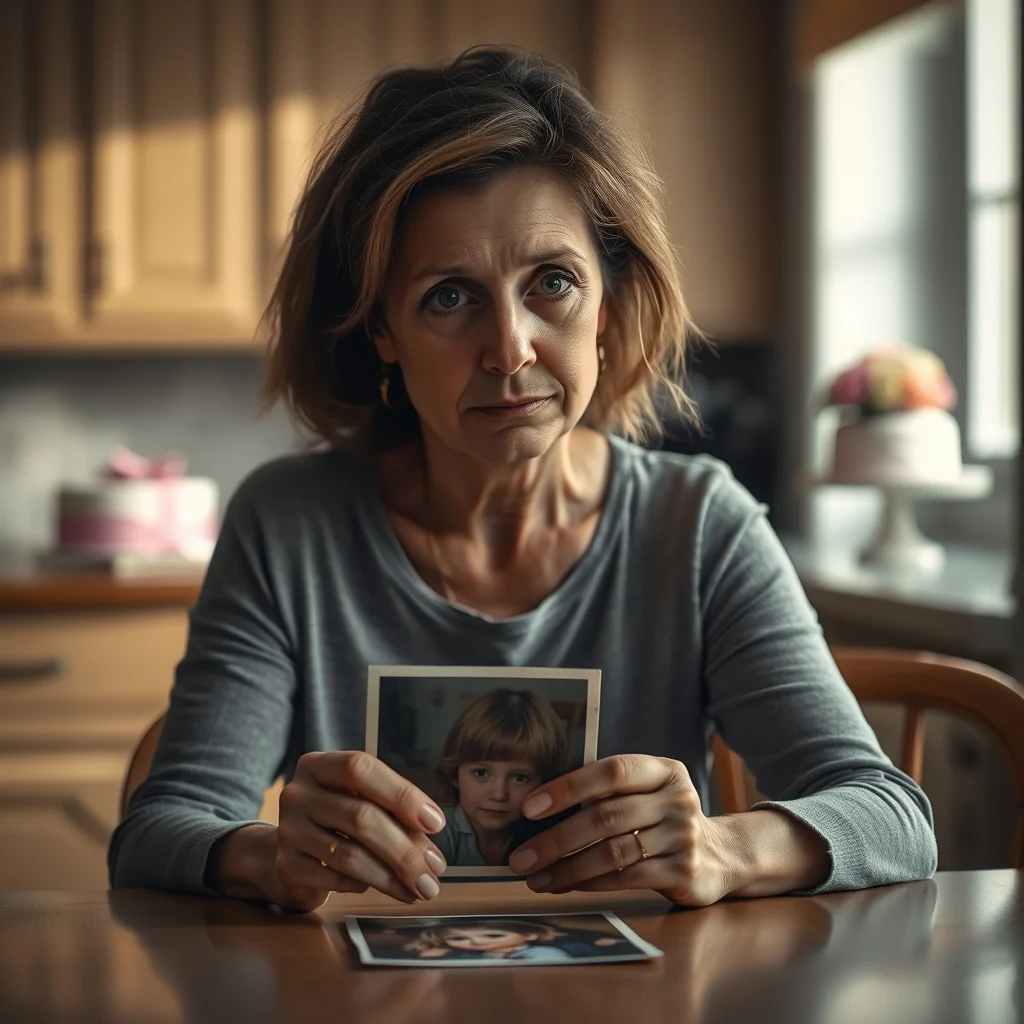
Last Sunday, as many celebrated Mother’s Day with joy and appreciation, a significant number of women, particularly mothers of children with special needs and those who have lost children, found the occasion a painful reminder of ongoing struggles and emotional burdens. This complex reality highlights that motherhood is not a uniform experience, often masked by public celebrations.
The Unseen Demands of Special Needs Motherhood
For mothers raising children with disabilities, Mother’s Day often underscores a lifelong commitment. Many bear the sole responsibility for their children’s basic needs, including feeding, bathing, and communication, especially in African societies with limited social support systems. This constant caregiving exacts a heavy emotional and psychological toll.
Studies and personal accounts reveal that mothers of children with special needs frequently experience chronic stress, anxiety, depression, and profound social isolation. The demands of caregiving often force women to abandon careers or education, leading to financial strain and dependency.
Societal stigma further exacerbates these challenges. In many African communities, misconceptions about disability lead to mothers being blamed or judged, resulting in social withdrawal and avoidance of public spaces due to discomfort from others’ reactions.
This silent discrimination negatively impacts the mother’s mental health and hinders the child’s development and social integration, leaving many mothers to navigate their journey alone without adequate support.
Navigating Grief and Hope on Mother’s Day
Women who have experienced child loss also face a different, poignant Mother’s Day. For them, the day can reopen deep emotional wounds, serving as a stark reminder of absence rather than a celebration. The trauma of losing a child often persists, and in many cultures, grief is not openly acknowledged or supported.
Another often-overlooked group includes women struggling with infertility or recurrent miscarriages. Mother’s Day can be particularly difficult in societies where motherhood is intrinsically linked to a woman’s identity and social acceptance. Insensitive questions about having children can amplify their emotional distress.
Systemic Gaps and the Need for Societal Support
Across Africa, a critical gap exists in structured psychological and social support for mothers facing these multifaceted challenges. Limited, expensive, or stigmatised mental health services leave many women suffering in silence.
Family dynamics also play a crucial role. The withdrawal of fathers from caregiving responsibilities often places the entire burden on mothers. Shared responsibility within households is vital for reducing stress and improving the well-being of both mother and child.
Extended family and community support are also essential. However, stigmatisation can lead some families to distance themselves, intensifying the isolation experienced by mothers.
Building a More Empathetic and Supportive Future
A broader societal shift is necessary, starting with enhanced public awareness to combat stigma and misinformation surrounding disability. Communities require education on inclusion, empathy, and respect for families with special needs children.
Governments and institutions must strengthen social protection systems. This includes providing financial aid, accessible healthcare, inclusive education, and community-based respite care services to alleviate the economic and emotional load on mothers.
Workplaces can contribute by offering flexible working arrangements, remote work options, and supportive employment policies, enabling mothers to better balance caregiving and professional life.
Despite these immense challenges, many mothers demonstrate extraordinary resilience, navigating daily responsibilities with strength and endurance, often without adequate recognition or support. Their experiences highlight profound strength under difficult circumstances.
The message to mothers facing these unique struggles is one of validation: your experiences matter, and your efforts are not invisible. For the wider society, this means extending empathy beyond the conventional image of joyful motherhood to acknowledge and understand the realities of struggle, grief, and care burdens.
Moving forward, society must listen more, judge less, and offer practical support. A fundamental shift in mindset is required—one that recognises the unique reality behind every mother’s story and extends respect, dignity, and understanding.










Leave a Reply