
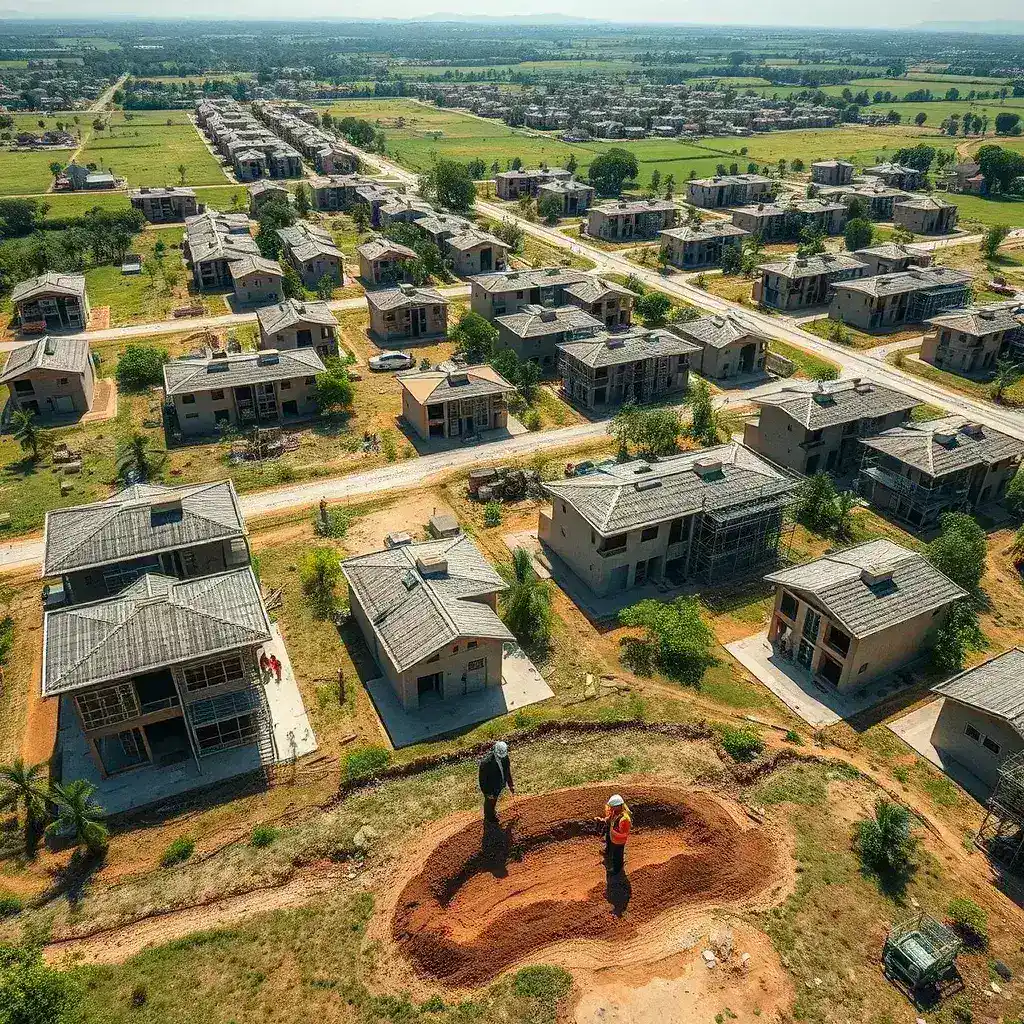
President John Mahama initiated the construction of the 1,067-unit Green City Housing Project at Dedesua in the Ashanti Region on Saturday, May 9. This development marks a significant government effort to address Ghana’s substantial housing deficit and promote sustainable urban living.
Addressing Ghana’s Housing Crisis
The nation faces a critical shortage of housing, estimated at over 1.5 million units. President Mahama highlighted several contributing factors during the groundbreaking ceremony, including a persistent gap between housing supply and demand, escalating land values, rising construction costs, and limited access to long-term financing options.
Urbanization is rapidly accelerating in Ghana, with more than half of the population currently residing in urban areas. Projections indicate this figure could climb to approximately 70 percent by 2050. This rapid urban growth exacerbates the housing crisis, leading to an increase in informal settlements and a significant number of citizens living in substandard housing conditions.
The President emphasized the urgency of implementing interventions to prevent the housing crisis from worsening. He reaffirmed his administration’s commitment to delivering decent and affordable housing, recognizing its positive impact on public health, educational attainment, economic productivity, and community stability.
Government Initiatives and Financial Framework
To tackle the deficit, the government is prioritizing the completion of the Saglemi Housing Project and launching new social housing initiatives across various districts. These efforts aim to reduce barriers to homeownership and ensure equitable distribution of housing opportunities nationwide.
A key component of this strategy is an innovative housing financial framework centered on a GH¢3 billion revolving fund. This fund is a collaborative effort involving the government, organized labor, and the private sector. It is designed to enable Ghanaian workers to purchase homes in local currency with manageable long-term repayment plans.
The financing model involves partnerships between the government, organized labor, the Social Security and National Insurance Trust (SSNIT), and Republic Bank Ghana. This collaboration will facilitate access to credit for housing developers like the State Housing Company Limited, enabling them to build more units. Simultaneously, banks will offer mortgage facilities, allowing workers to pay for their homes over a 15 to 20-year period.
President Mahama described this financial framework as a solution tailored to the Ghanaian context, designed to align with the realities of the local economy and income levels. This approach aims to make homeownership more attainable for a broader segment of the population.
Project Details and Economic Impact
The Green City Housing Project itself will be developed on 200 acres of land by the State Housing Company Limited. Beyond the 1,067 residential units, the government has committed to absorbing the costs associated with constructing internal roads and drainage systems within the estate. This measure is intended to reduce the overall project expenses, enabling the State Housing Company to offer the houses at more affordable prices.
The project is expected to generate employment opportunities during its construction phase and contribute significantly to improving access to adequate accommodation for Ghanaians. It aligns with the government’s broader objective of revitalizing the nation’s housing sector through the development of affordable and sustainable housing solutions.
Looking Ahead
The success of the Green City Housing Project and the efficacy of the GH¢3 billion revolving fund will be crucial indicators for the future of Ghana’s housing sector. Continued investment in infrastructure, innovative financing, and public-private partnerships will be essential to meeting the growing demand and improving living conditions for a large segment of the population. Observers will be watching closely to see how quickly these projects are delivered and how effectively they contribute to reducing the national housing deficit in the coming years.










Leave a Reply