
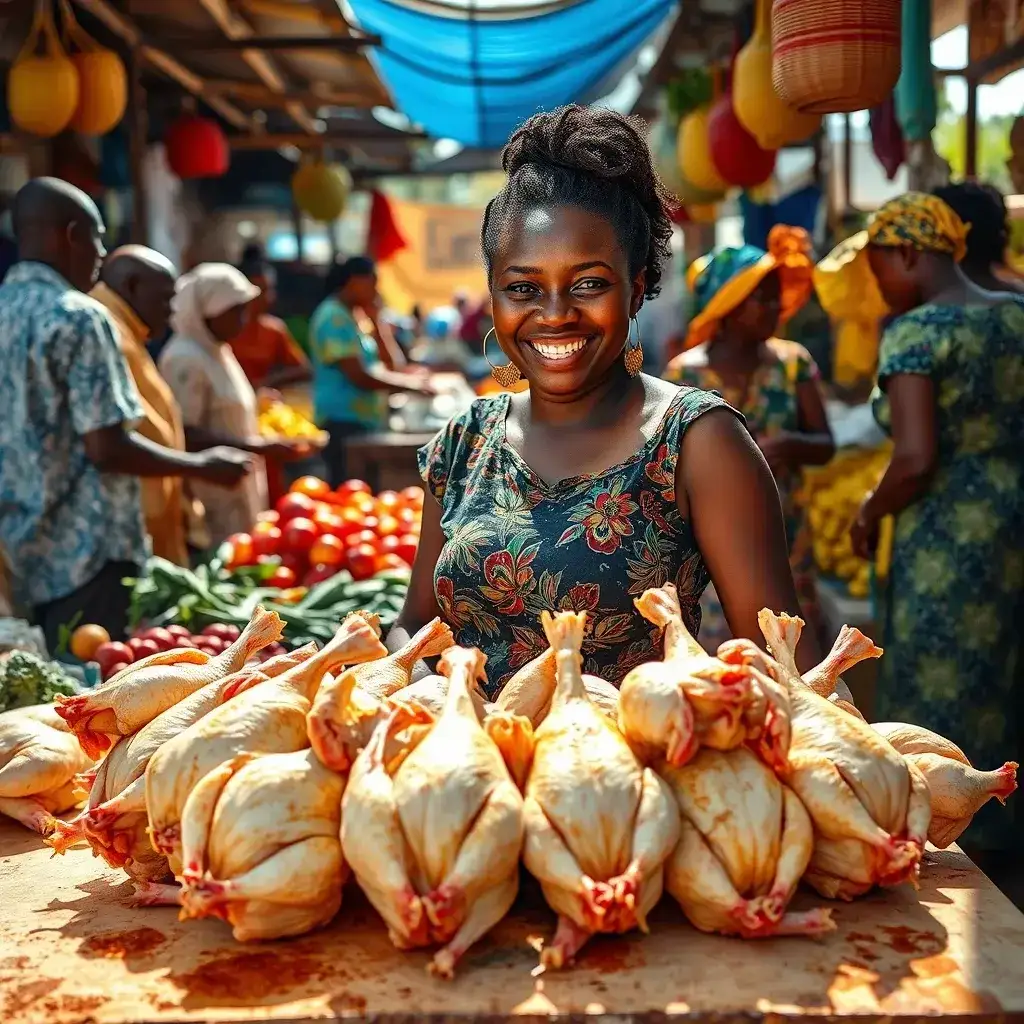
Ghanaians are being urged to prioritize the consumption of locally produced chicken to bolster domestic poultry farming and ensure the success of the government’s ‘Nkoko Nketenkete’ initiative, a key component of the Feed Ghana Programme. This call comes from Bright Demordzi, National Coordinator of the Feed Ghana Programme, who emphasizes that increased patronage of local poultry is crucial for job creation, livelihood improvement, and overall economic growth within the nation.
Revitalizing the Poultry Sector
The ‘Nkoko Nketenkete’ program, launched previously in Kumasi by President John Dramani Mahama, aims to revitalize Ghana’s struggling poultry industry. A significant objective of this initiative is to reduce the country’s substantial reliance on imported chicken products. Mr. Demordzi highlighted that this program represents a strategic effort to generate employment opportunities, increase household incomes, particularly in rural areas, and strengthen the entire poultry value chain.
Speaking to the Ghana News Agency (GNA) in Kumasi, Mr. Demordzi stressed that the ultimate success of the ‘Nkoko Nketenkete’ program hinges directly on the willingness of Ghanaians to actively choose and purchase locally raised chicken.
Healthier and More Sustainable Choice
Beyond economic benefits, Mr. Demordzi pointed out the potential health advantages of consuming local poultry. He stated that chicken raised by Ghanaian farmers is generally fresher and healthier. This is attributed to shorter storage periods compared to some imported chicken, which may undergo prolonged storage before reaching the consumer. He cautioned that some imported poultry products could potentially be unwholesome due to extended storage timelines.
The economic drain of poultry imports is a significant concern. Ghana reportedly spends millions of dollars annually on importing chicken, a trend described as unsustainable by program coordinators. The ‘Nkoko Nketenkete’ initiative seeks to curb this outflow of foreign exchange.
Program Impact and Reach
The Feed Ghana Programme, through the ‘Nkoko Nketenkete’ initiative, has already made a considerable impact. Approximately 60,000 households across the nation have benefited from the distribution of around three million birds. These beneficiaries also receive crucial support in the form of feed and technical training, designed to enhance their productivity and farming practices.
The program’s scope extends to strengthening the entire poultry value chain. This includes improvements in production, processing, and marketing, with the goal of attracting further investment into the sector. Traditional authorities have also been called upon to lend their support to ensure the initiative’s long-term success.
Beneficiary and Stakeholder Perspectives
Ernest Mensah, a beneficiary from Sewuah near Kumasi, commended the government’s intervention. He urged fellow participants to fully leverage the opportunity provided by the program to enhance their economic standing and livelihoods.
Various stakeholders within the industry have also voiced their perspectives. They underscored the necessity for enhanced marketing systems, improved cold storage facilities, and competitive pricing strategies. These improvements are seen as vital to making locally produced chicken more appealing and accessible to a wider consumer base.
A collective national effort is deemed essential by stakeholders. They believe that increased consumer support for local chicken will directly contribute to reducing the nation’s import bills, strengthening the Ghanaian economy, and improving overall food security.
Looking Ahead
The emphasis on patronizing local chicken is likely to intensify as the Feed Ghana Programme seeks to achieve its ambitious goals. Future developments will likely focus on scaling up production, improving supply chain efficiencies, and implementing robust marketing campaigns to further sway consumer preferences. The success of ‘Nkoko Nketenkete’ could serve as a model for other agricultural initiatives aimed at import substitution and rural economic development in Ghana.










Leave a Reply