
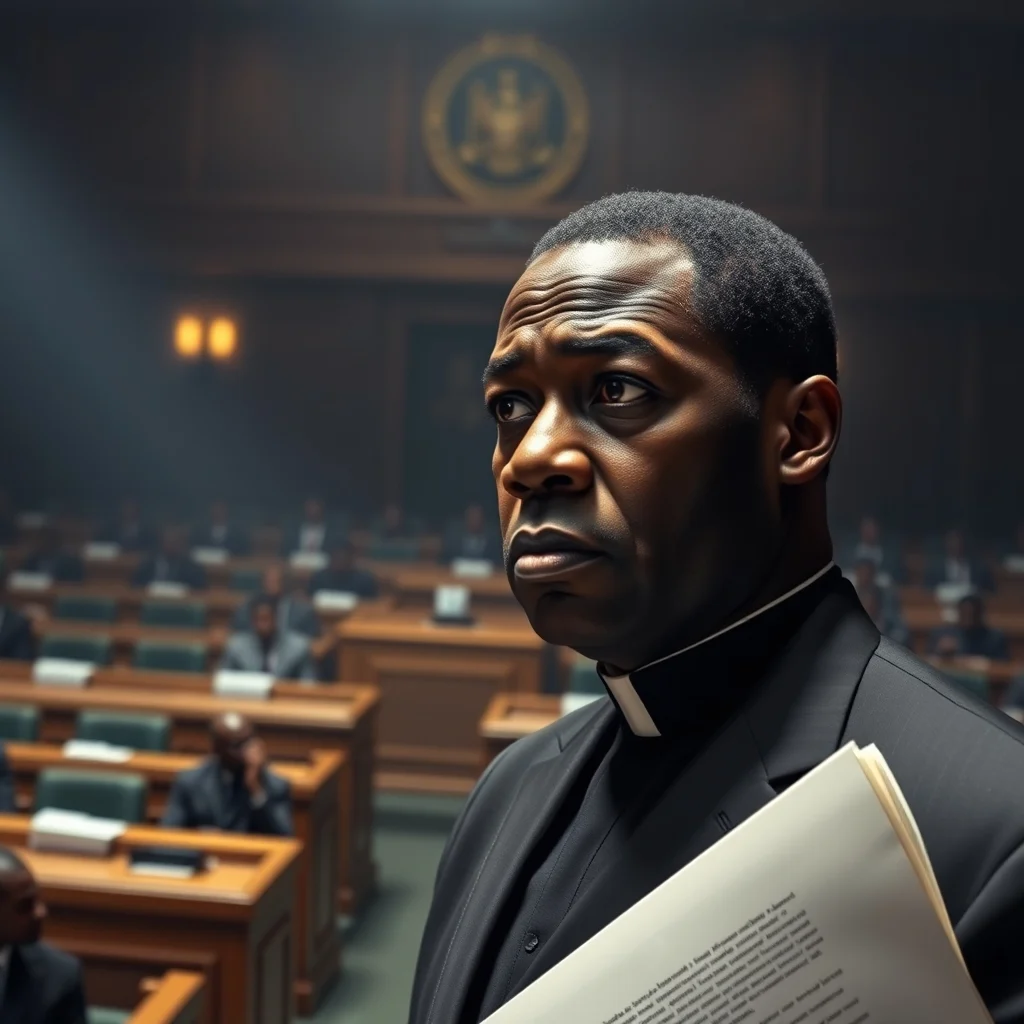
The principal sponsor of Ghana’s Human Sexual Rights and Family Values Bill, Rev. John Ntim Fordjour, has sharply criticized the version of the legislation passed by Parliament on May 29, 2026, asserting that numerous amendments have diluted its original intent and enforcement power. The bill, which originally aimed to impose penalties of up to three years’ imprisonment for individuals identifying as LGBTQ+, is now facing scrutiny over its altered provisions.
Context of the Bill’s Evolution
The Human Sexual Rights and Family Values Bill has been a subject of significant debate and legislative maneuvering. First passed in 2024, the bill’s journey through Parliament has been marked by revisions and contention. The recent re-passage on May 29, 2026, followed concerns raised by the Speaker of Parliament, Alban Bagbin, who called for further engagement between parliamentary leadership regarding the legislative process.
Amendments Alter ‘Force and Bite’ of the Bill
Rev. Ntim Fordjour, an MP for Assin South and a key proponent of the bill, stated on the program Newsfile that the amended legislation is fundamentally different from the version approved in 2024. He detailed that the bill underwent 22 deletions and 31 insertions during committee deliberations.
“They have changed it extensively, and what we have today is materially different from what was passed in 2024,” Rev. Fordjour explained. He argued that these extensive changes mean the bill can no longer be considered the same legislation.
The MP contended that the revised bill has lost its intended “force, bite and deterrent effect.” He advocated for a return to the 2024 version of the bill, urging the governing National Democratic Congress (NDC) to clarify the reasons behind the significant alterations.
Exemptions Create ‘Structural Loopholes’
A major point of contention for the Minority in Parliament centers on Clause Nine of the amended bill. This provision reportedly introduces exemptions for legal practitioners, journalists, media houses, and health professionals, including those in medical, psychological, and counselling fields, when they engage with individuals identified as LGBTQ+.
Rev. Fordjour argued that these exemptions create “structural loopholes” that could undermine the law’s effectiveness. He expressed concern that shielding professionals such as lawyers, journalists, academics, and health workers from certain prosecution aspects could weaken enforcement and invite ambiguous interpretations.
Furthermore, concerns were raised about the transparency of the legislative process. Allegations were made that some amendments were introduced without adequate openness, and that the Minority’s objections were not sufficiently addressed during the bill’s passage.
“The concerns were bulldozed on the floor of Parliament,” Rev. Fordjour stated.
Majority Defends Amendments for Clarity
Conversely, the Majority in Parliament has defended the revised bill. Majority Leader Mahama Ayariga explained that the amendments were implemented to provide necessary clarity and ensure that routine professional activities are not inadvertently criminalized under the new law.
According to Ayariga, the exemptions are specifically designed to prevent misinterpretations of standard professional duties as the promotion of LGBTQ+ activities. The aim is to safeguard legitimate professional conduct while still addressing the core intent of the bill.
Implications and Future Outlook
The debate over the amended bill highlights a significant divergence in how its provisions are perceived and intended to be applied. The criticism from the bill’s sponsor suggests a potential struggle in achieving its original objectives, raising questions about its future efficacy.
The exemptions, while defended as a measure for clarity, are seen by critics as significant concessions that weaken the law’s deterrent capacity. This could lead to ongoing legal challenges and public debate regarding the scope and enforcement of anti-LGBTQ+ legislation in Ghana.
What remains to be seen is whether parliamentary leadership will revisit the bill, heed the calls for restoration of the 2024 version, or if the current amended text will stand as the final legislation. The differing interpretations and the alleged procedural issues suggest that the controversy surrounding the Human Sexual Rights and Family Values Bill is far from over, and its ultimate impact on LGBTQ+ individuals and related professional practices in Ghana will depend on how these ambiguities are navigated in practice and potentially in future legal interpretations.






Leave a Reply