
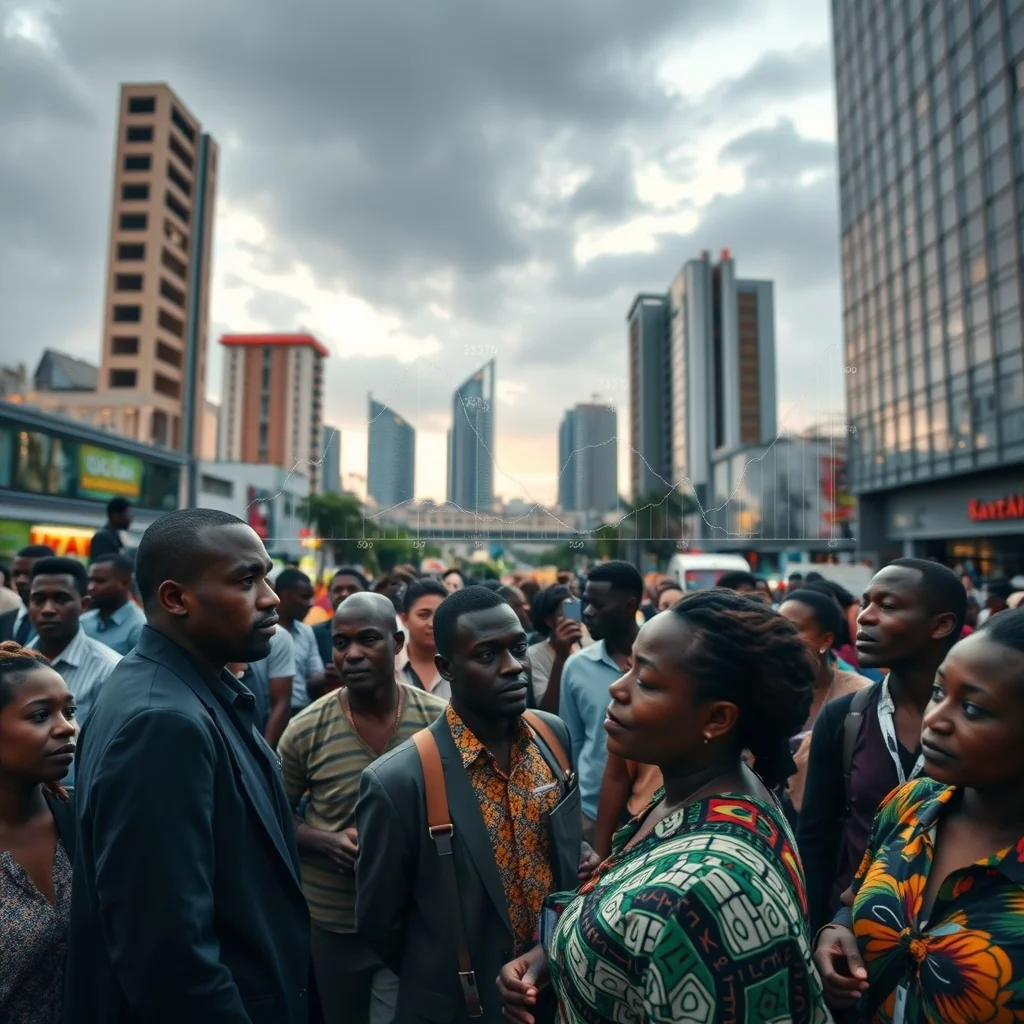
Ghana’s Domestic Debt Exchange Programme (DDEP), launched on December 5, 2022, in Accra, has resurfaced in public discourse following reports that debt service obligations could escalate again from 2027. This program, designed to avert a sovereign debt crisis, involved restructuring domestic bonds to reduce immediate financial burdens. The DDEP’s long-term impact on Ghana’s economy remains a subject of intense debate, with some experts now suggesting it may have prevented a more severe economic collapse despite its unpopularity.
Context: A Nation on the Brink
By late 2022, Ghana faced one of its most severe economic crises in recent history. Years of mounting fiscal pressures, exacerbated by the COVID-19 pandemic, global inflation, and the Russia-Ukraine conflict, pushed the nation’s debt-to-GDP ratio to approximately 89 percent. Crucially, interest payments consumed an unsustainable portion of government revenue, leading to the effective closure of international capital markets to Ghana.
The economic strain was not new. Between 2014 and 2016, Ghana experienced a significant slowdown in economic growth, marked by fiscal instability and inflationary challenges. This period necessitated International Monetary Fund (IMF)-supported stabilization measures.
Upon assuming office as Finance Minister in 2017, Ken Ofori-Atta oversaw a period of robust economic recovery. Ghana recorded strong GDP growth rates from 2017 to 2019, fueled by renewed investor confidence, improved domestic revenue mobilization, and enhanced macroeconomic stability. This positive momentum, however, was dramatically disrupted by global events.
The Domestic Debt Exchange Programme Unveiled
The DDEP was introduced as a critical response to the escalating crisis. It invited holders of domestic bonds, including commercial banks, pension funds, and individual investors, to exchange their existing bonds for new instruments. These new bonds featured extended maturities and reduced coupon rates, aiming to create necessary fiscal breathing room.
The program initially met fierce opposition, particularly from pensioners and retail bondholders concerned about potential losses. Public outcry led to a redesign, evolving into 12 separate bond exchanges before the first phase concluded in February 2023.
Fiscal Impact and Restructuring Success
Despite the controversy, the DDEP yielded significant fiscal improvements. Data indicates a reduction in the weighted average interest rate from 21.2% before the DDEP to 12.7% afterward. The average time to maturity for public debt extended from 2.7 years to 6.2 years, and the public debt-to-GDP ratio decreased from 73.1% to 66.4%. The DDEP itself contributed approximately 10 percentage points to this reduction.
According to Finance Minister Dr. Mohammed Amin Adam, the program generated around US$12 billion in savings, playing a vital role in restoring fiscal sustainability. The DDEP was instrumental in unlocking Ghana’s US$3 billion Extended Credit Facility from the IMF in May 2023 and facilitated the restructuring of Ghana’s US$13 billion Eurobond portfolio in 2024.
Indicators of Recovery
Following these interventions, Ghana has shown notable signs of recovery. The fiscal deficit, which stood at 11.8% of GDP in 2022, was projected to fall to 4.8%. GDP growth also demonstrated a rebound, with Q3 2024 figures showing 6.2% growth. By December 2025, the IMF acknowledged improvements in inflation control, reserve accumulation, economic growth, and debt sustainability.
The Architect of the Restructuring
Ken Ofori-Atta, as Finance Minister, was the central figure behind the DDEP. He personally announced the program and defended it in Parliament amidst intense political pressure, including calls for his resignation and opposition from within his own party. Critics pointed to his fiscal management as a contributing factor to the crisis, yet he pressed forward with the restructuring.
His tenure has seen a reassessment, with some economists, like Dr. George Domfe of the University of Ghana, arguing that the current macroeconomic recovery would not have been possible without the DDEP and other stabilization measures. Even within the incoming administration, acknowledgments have been made regarding the DDEP’s role as a turning point for fiscal stability.
Ofori-Atta’s leadership also included significant banking sector reforms that protected millions of depositors, albeit at a considerable fiscal and political cost. The pressures he faced were immense, stemming from developmental spending demands, banking sector instability, global shocks like COVID-19 and the Russia-Ukraine conflict.
A Difficult Choice: Reform or Collapse
Much of the criticism leveled against the government and Ofori-Atta centers on the claim that they drove the economy into crisis and imposed losses through the DDEP. However, these narratives often overlook the unprecedented global context. Prior to the pandemic, Ghana experienced a strong growth period. The global disruptions of COVID-19 led to collapsing revenues and necessitated emergency spending worldwide to support households and businesses.
The Akufo-Addo administration prioritized protecting lives and livelihoods during the pandemic, a decision that required significant expenditure amidst falling revenues. The argument is emerging that Ofori-Atta confronted an exceptionally difficult economic crisis and opted for politically painful reforms over outright economic collapse.
Looking Ahead
As Ghana navigates its post-restructuring economic landscape, attention will focus on sustaining the hard-won fiscal gains and ensuring that the improved debt sustainability translates into tangible economic benefits for its citizens. The long-term success of the DDEP will hinge on continued prudent fiscal management, consistent economic growth, and the ability to regain full access to international capital markets on favorable terms. The coming years will reveal whether this controversial but consequential program has truly set Ghana on a path to lasting economic stability and prosperity.










Leave a Reply