
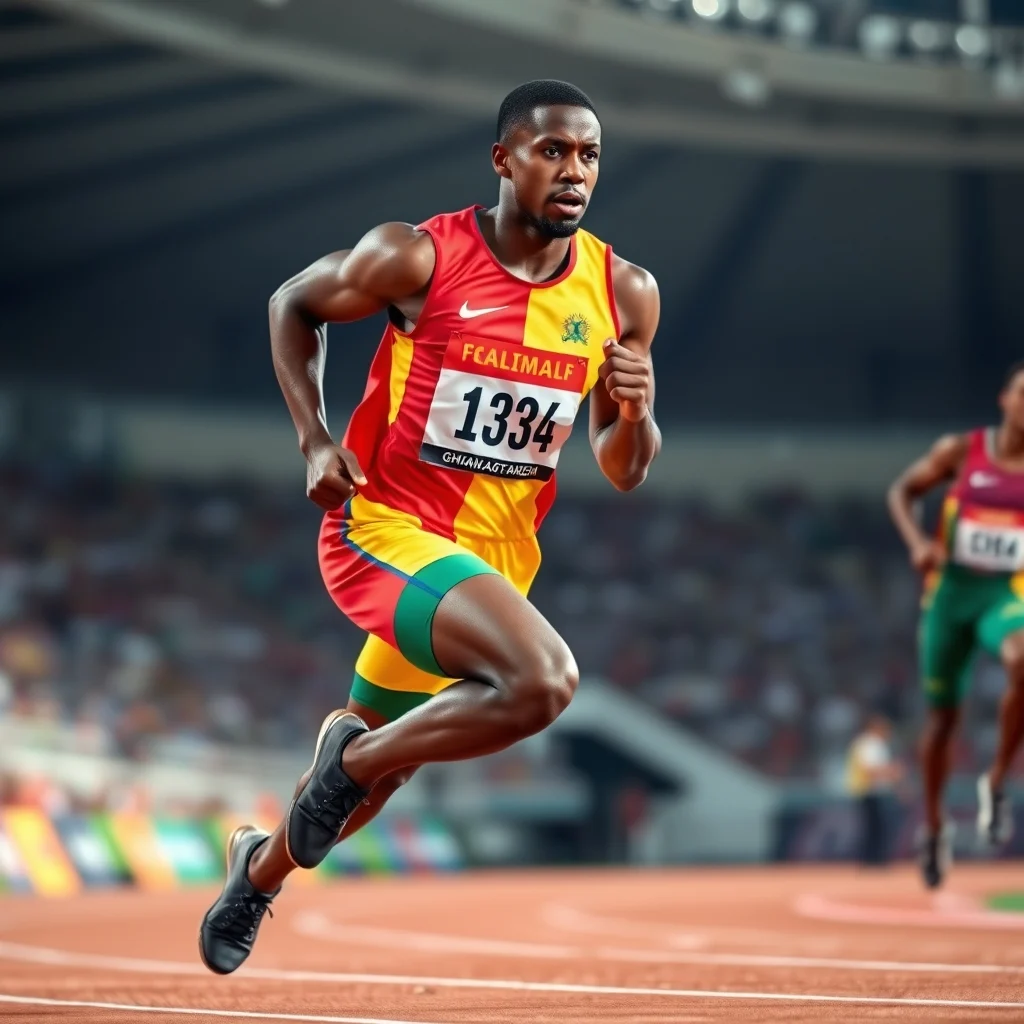
The Ministry of Sports and Recreation (MoSR) has formally responded to criticisms from Ghana’s 4x100m relay team regarding their preparation and travel arrangements for the recent World Athletics Relays in Gaborone, Botswana. The team’s concerns emerged following their successful qualification for the 2027 World Athletics Championships in Beijing, despite perceived logistical challenges.
Context of the Dispute
Ghana’s men’s 4x100m relay team secured their spot at the upcoming World Athletics Championships by finishing second in Botswana with a time of 38.09 seconds. This qualification marks the fourth consecutive appearance for the team at the prestigious global event.
However, the celebratory mood was dampened by public comments from team members, including Abdul Rasheed and Benjamin Azamati. They voiced dissatisfaction with the planning and execution of their travel and preparation, urging the sports authorities to improve support for elite athletes.
Ministry’s Official Response
In a statement released on Monday, May 3, the MoSR clarified its role in the team’s logistical arrangements. The Ministry asserted that it is not solely responsible for the travel challenges encountered by the athletes.
The MoSR emphasized that the determination of arrival timelines and preparation schedules is primarily governed by federation engagements and international competition protocols, not direct ministerial intervention. The Ministry’s function, upon receiving recommendations from the National Sports Authority and the relevant federation, is to facilitate travel procurement according to an approved schedule.
Specifically addressing the World Athletics Relays, the Ministry stated it adhered to the travel schedule submitted by the Ghana Athletics Association (GAA) without any alterations or deviations. This indicates a collaborative process where the federation plays a key role in outlining the necessary logistical framework.
Federation’s Role and Ministry’s Commitment
The statement from the Ministry highlighted that they worked in conjunction with Ghana Athletics, suggesting that the GAA’s recommendations and submissions were the basis for the travel plans. This points to a potential disconnect or differing perspectives on the adequacy of the planning between the athletes, the federation, and the ministry.
The MoSR reiterated its commitment to supporting all national teams through established procedures. The Ministry aims to strengthen coordination with the National Sports Authority and various sports federations to ensure optimal preparation conditions for athletes representing Ghana on the international stage.
Implications for Athletes and Future Events
The public exchange underscores the critical importance of effective communication and coordination between sports federations, governing bodies, and athletes. While the team achieved a significant sporting success, the underlying issues regarding preparation logistics could potentially impact future performances if not adequately addressed.
For athletes, clear and timely logistical support is paramount for peak performance. The concerns raised by the relay team highlight a recurring challenge in sports administration where operational details can overshadow athletic achievements.
Moving forward, the focus will likely be on how the MoSR, the National Sports Authority, and the Ghana Athletics Association can enhance their collaborative efforts. Strengthening these partnerships is essential to ensure that Ghanaian athletes receive the necessary support to compete at the highest level without facing preventable logistical hurdles. The success of the 4x100m team in qualifying for Beijing is a testament to their talent, but the administrative discussions surrounding their journey point to areas for growth in national sports management.










Leave a Reply