
GRNMA Objects to Naming Health Professionals in Amissah Death Probe
The Ghana Registered Nurses and Midwives Association (GRNMA) has voiced strong objections to the public disclosure of individual health professionals’ names implicated in the investigative report into the death of Charles Amissah. The association argues that such a move is unnecessary and potentially harmful, particularly concerning the mental well-being of the practitioners involved.
The report, compiled by a three-member committee chaired by Professor Agyeman Badu Akosah, investigated the circumstances surrounding Mr. Amissah’s death, which reportedly occurred after he was denied care by three different health facilities. Findings were recently submitted to the Minister of Health and Parliament’s Health Committee.
Concerns Over Public Disclosure
Perpetual Ofori-Amanfo, President of the GRNMA, speaking on JoyFM’s Top Story on Thursday, May 6, expressed that while the association awaits a formal review of the complete report, the current method of public dissemination raises significant concerns. She highlighted that the GRNMA has only seen snippets of the report through media engagements and comments from the Ministry of Health.
“As an association, we are yet to convene our council to look at the issues,” Ofori-Amanfo stated. “But in the interim, what we want to say is that this is not the first time such issues have come up in this country.”
The GRNMA president suggested that identifying specific individuals in sensitive reports could expose them to undue public scrutiny and emotional distress. She proposed that it would have been more appropriate for the report to identify categories of professionals involved rather than naming individuals.
“I don’t think, and we don’t think, that it is necessary for all the names of these professionals to have been mentioned out there,” she explained. “At least to say that the three doctors or to say that the three nurses or to say that the four doctors or whatever would have survived.”
Systemic Challenges and Mental Health Toll
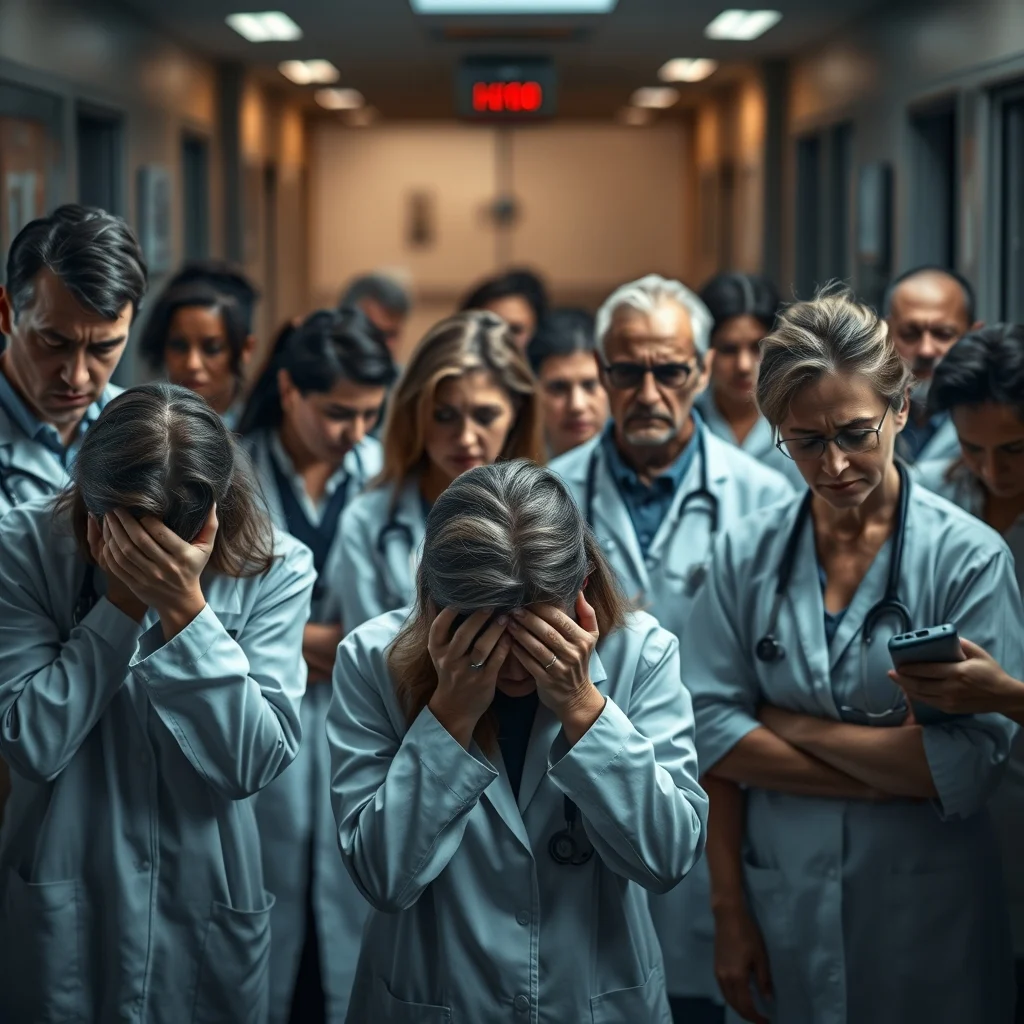
Ofori-Amanfo emphasized that the professionals named are often young practitioners working under challenging systemic conditions within Ghana’s health system. She argued that they deserve fair treatment and protection, especially concerning their mental health, noting that emergency care often operates under less-than-ideal circumstances.
“These individuals committed no crime in going through medical school or nursing college to serve this country,” she asserted. “We know the systemic challenges in our health system, and emergency care does not always come with ideal conditions.”
The GRNMA views the case as a reflection of a chain of events and potential systemic failures rather than solely the actions of isolated individuals. This perspective calls for a broader examination of the underlying issues within the healthcare sector.
Calls for Sensitive Handling and Broader Accountability
While acknowledging the necessity of accountability, the GRNMA president stressed the importance of handling the public communication of such reports with sensitivity. She questioned the motive behind naming individuals, asking, “Is it to name a shame?”
“If that’s where we are going as a country, then we have to name and shame when it comes to every issue related to this economy,” she added, suggesting that this approach could set a concerning precedent.
The association cautioned that such public naming could have lasting psychological effects on health workers, particularly early-career professionals. “The mental health toll on these individuals is something we must not ignore,” Ofori-Amanfo stated.
Looking Ahead
The GRNMA’s stance highlights a critical debate on balancing public accountability with the protection of healthcare professionals. The focus now shifts to how future reports of this nature will be handled and whether systemic issues will be addressed proactively to prevent similar tragedies. Observers will be watching to see if regulatory bodies and the Ministry of Health will adopt more sensitive communication strategies and prioritize mental health support for healthcare workers facing public scrutiny.










Leave a Reply