
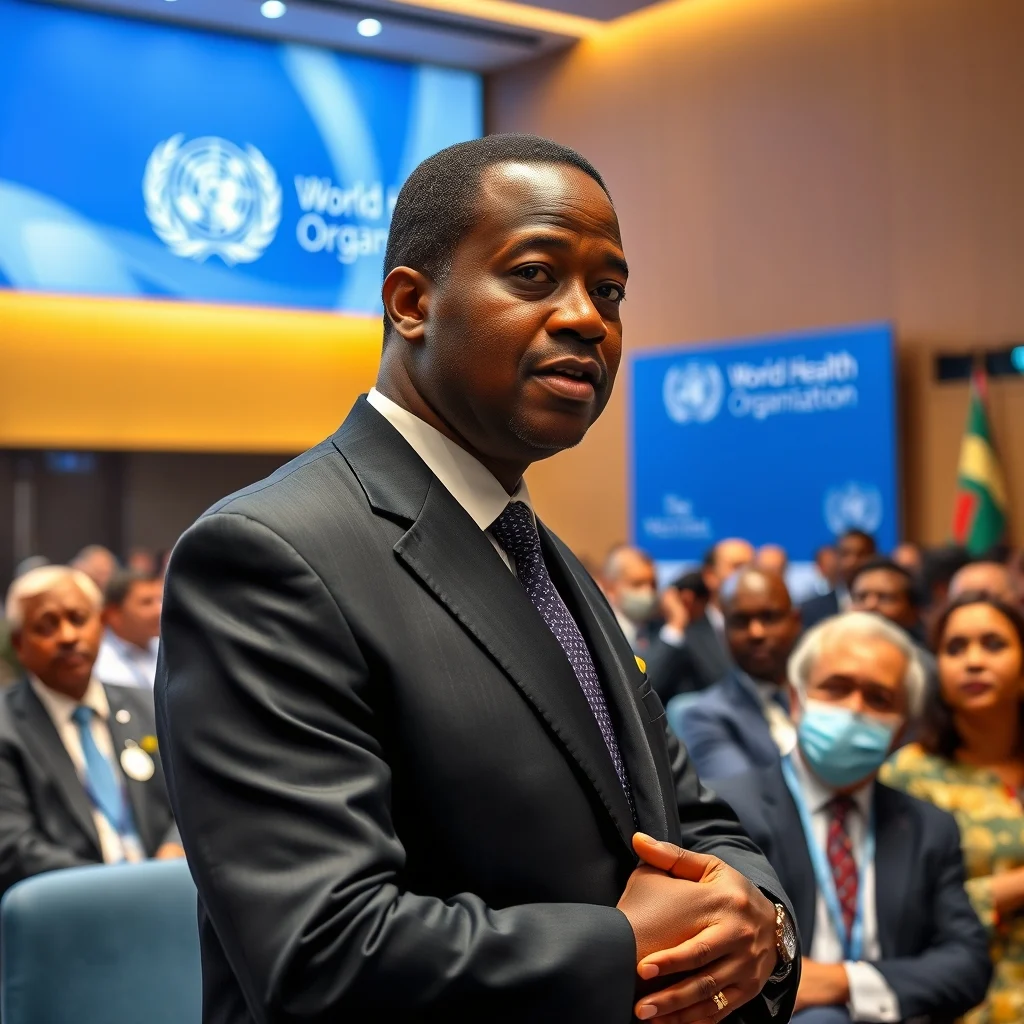
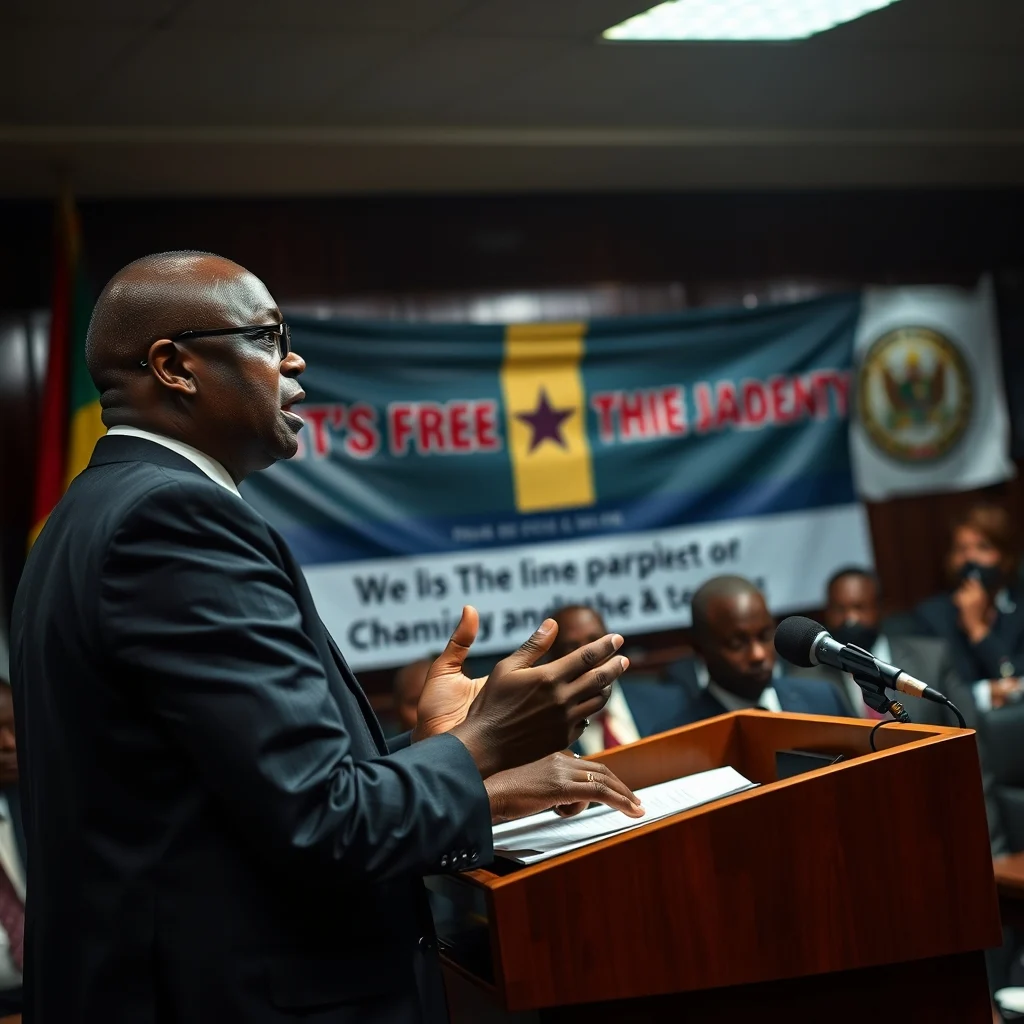
President John Dramani Mahama is delivering a keynote address today at the 79th World Health Assembly in Geneva, Switzerland, to advocate for enhanced health sovereignty for nations in the Global South. The Assembly, the World Health Organization’s (WHO) primary decision-making forum, convenes global leaders to set international health agendas, approve budgets, and coordinate responses to health crises.
Context: The Global Health Landscape and Donor Dependence
The World Health Assembly serves as a critical platform where member states deliberate on pressing global health issues. Historically, many developing nations have relied heavily on international donor funding to bolster their healthcare systems. However, recent trends indicate a significant reduction in this external support, creating a pressing need for these countries to reassess their healthcare strategies and build greater self-sufficiency.
This shift in funding dynamics underscores the vulnerability of healthcare systems heavily dependent on external aid. The COVID-19 pandemic further exposed the fragilities inherent in such models, highlighting the importance of robust, internally driven health infrastructure.
Mahama’s Accra Reset Initiative and Call for Self-Reliance
A central theme of President Mahama’s address is the “Accra Reset Initiative.” This program is designed to foster health sovereignty by empowering countries in the Global South to take greater control of their healthcare destinies and reduce their reliance on foreign aid.
President Mahama is expected to implore world leaders to re-evaluate the standing of developing countries within the current global health architecture. His speech will emphasize the imperative for these nations to cultivate resilient and self-sustaining healthcare systems capable of meeting their populations’ needs without constant external intervention.
Engagements and International Attention
Beyond his keynote speech, President Mahama’s agenda in Geneva includes important bilateral meetings and the hosting of a side event titled “Geneva Clarion Call.” This event is part of the broader Accra Reset Initiative, aiming to galvanize support and collaboration for health sovereignty.
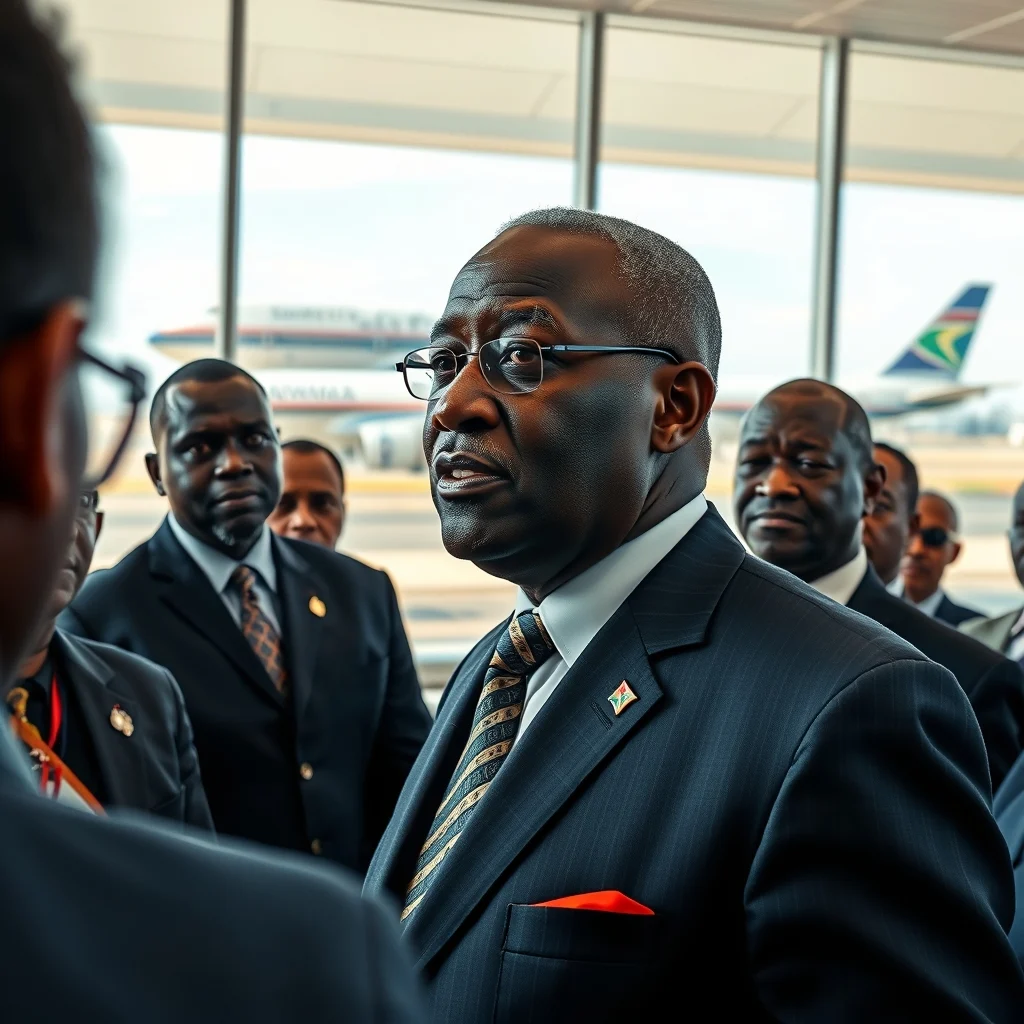
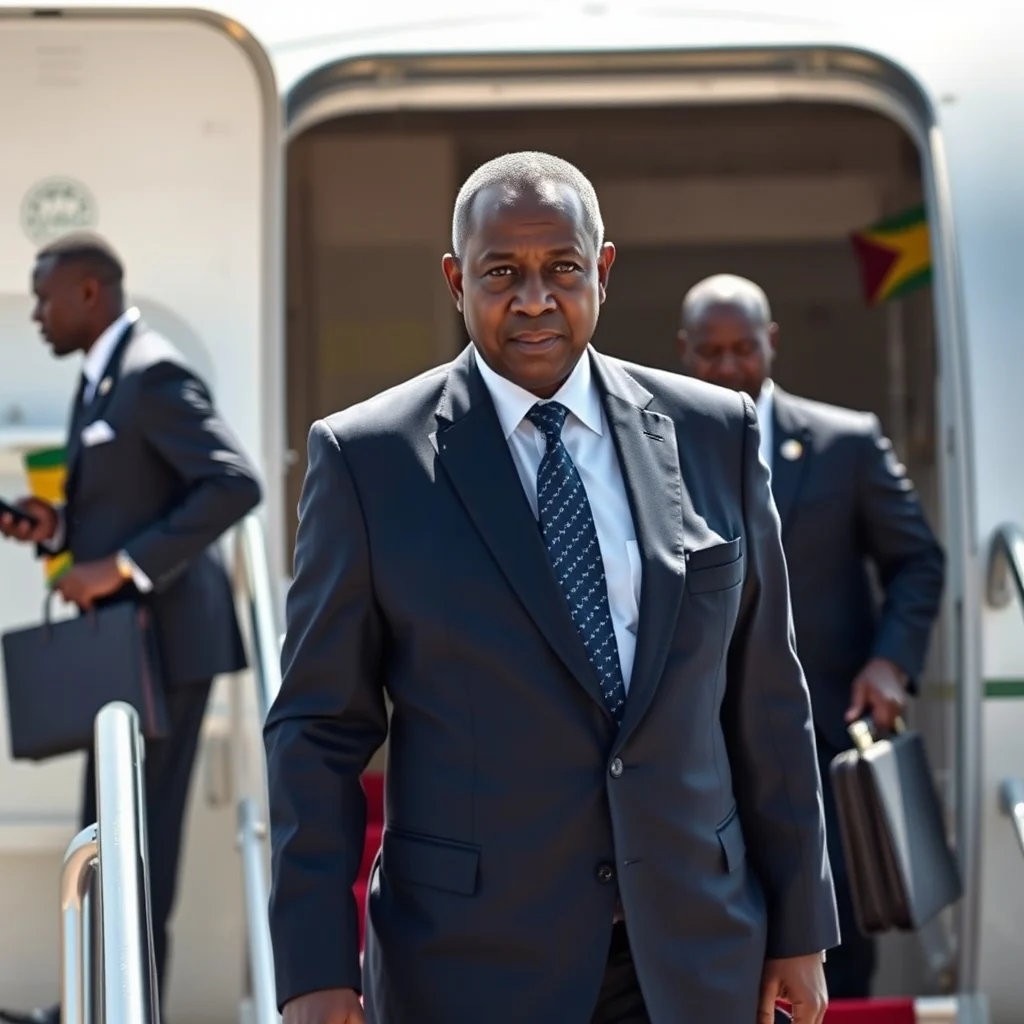
Upon his arrival, President Mahama was personally welcomed by WHO Director-General Tedros Adhanom Ghebreyesus and Nane Annan, wife of the late former UN Secretary-General Kofi Annan. This reception highlights the significance of his participation and the focus on Ghana’s role in global health discussions.
President Mahama also visited the Kofi Annan Lounge at the airport, a space established by the Swiss government in memory of the distinguished diplomat. This gesture acknowledges the legacy of international cooperation and the ongoing pursuit of global well-being.
Ghana’s Healthcare Innovations Garner Attention
Ghana is poised to capture significant international attention during the Assembly, with over 80 invitations extended for side events hosted by various global health institutions. This level of engagement reflects growing interest in Ghana’s contributions and advancements in healthcare delivery.
Discussions and side events are expected to spotlight Ghana’s progressive healthcare initiatives. These include the Free Primary Healthcare program, the Ghana Medical Trust Fund, and the National Health Insurance Scheme, all of which aim to improve access and quality of care for its citizens.
Implications for the Global South and Future Health Governance
President Mahama’s push for health sovereignty carries profound implications for the Global South. It signals a potential shift towards a more equitable global health governance structure, where developing nations have a stronger voice and greater autonomy in shaping health policies that affect them.
The success of the Accra Reset Initiative could pave the way for other nations facing similar challenges to advocate for increased self-reliance. It encourages a move away from aid dependency towards sustainable, locally owned health solutions. Observers will be watching closely to see if this call for health sovereignty resonates with international partners and leads to concrete policy changes and resource reallocation within global health institutions.


Leave a Reply