
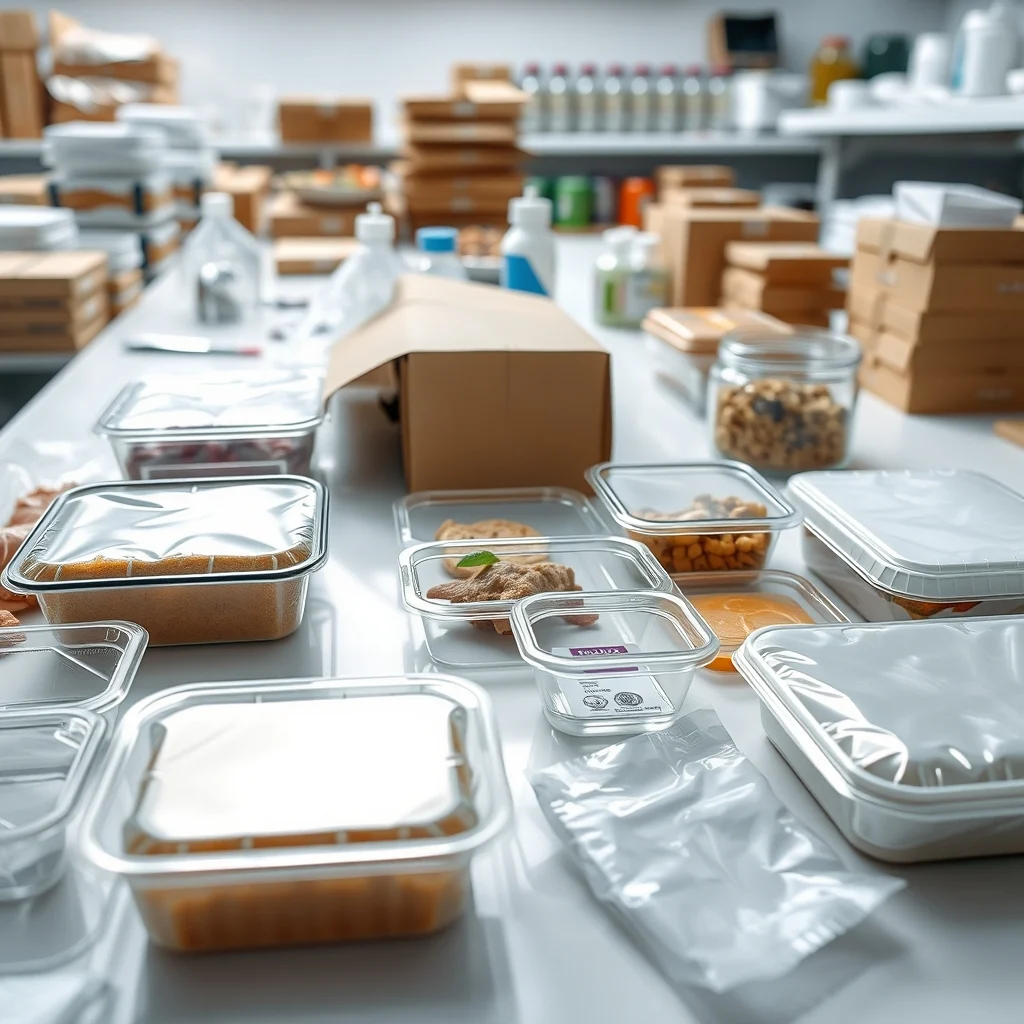
The Food and Agriculture Organization of the United Nations (FAO) has issued a report highlighting potential food safety concerns arising from the increasing use of recycled plastics and alternative materials in food packaging. The report, titled ‘Food Safety Implications of Recycled Plastics and Alternative Food Contact Materials,’ was released recently and authored by Mark Feeley, Magdalena Niegowska Conforti, Vittorio Fattori, and Markus Lipp.
Context: Packaging’s Crucial Role and Growing Concerns
Food contact materials (FCMs), which include food and beverage packaging, are essential in minimizing food waste. Globally, the food sector utilizes over two-thirds of all packaging materials produced. However, as the demand for sustainable packaging solutions grows, so does the reliance on recycled plastics and novel materials, prompting a closer look at their safety implications.
Recycled Plastics: Potential Chemical Contamination
The FAO report warns that the widespread adoption of recycled plastics in food packaging could inadvertently expose consumers to harmful chemicals. This risk is particularly pronounced if plastic recycling systems are not rigorously managed.
Authors noted that poorly controlled waste streams can lead to contamination. This occurs when food-grade plastics are mixed with non-food plastics or when packaging experiences misuse after its initial consumption. Recycled plastics may also contain non-intentionally added substances (NIAS). These can infiltrate packaging during the recycling process itself.
Studies cited within the report indicate that recycled plastics can leach harmful substances. These include metals, brominated flame retardants, persistent organic pollutants (POPs), and phthalates. In some instances, the levels of these contaminants can exceed those found in virgin plastics.
Furthermore, intentionally added substances (IAS) pose a risk. These can include surfactants, coatings, lubricants, antioxidants, thermal stabilizers, and biocides. These substances may migrate from the recycled packaging into the food it contains.
Mitigation Strategies and Toxicological Thresholds
To counteract these risks, approved recycling systems typically implement extensive cleaning procedures for plastic waste. Rigorous testing protocols are also in place to confirm the removal of contaminants.
The report emphasizes the utility of the Threshold of Toxicological Concern (TTC) approach. This method aids regulators in assessing potential health risks from exposure to low levels of chemicals, especially when detailed toxicity data is scarce.
The TTC approach is already a standard tool for regulatory agencies. It is employed in the evaluation of food contact materials, cosmetics, flavouring substances, consumer products, and pharmaceutical impurities.
Alternative Packaging: Bioplastics and Smart Materials
The FAO report also addresses the rising popularity of alternative packaging materials, such as bioplastics. Derived from renewable resources, bioplastics are often marketed as eco-friendly substitutes for traditional fossil fuel-based plastics.
Despite their environmental advantages, bioplastics can also present food safety challenges. These risks are linked to the biological raw materials used in their production, which may introduce their own set of potential contaminants.
The report further discusses the emergence of smart food contact materials. These advanced materials are designed to enhance food shelf life, improve quality, and actively monitor freshness and safety.
Smart packaging solutions may incorporate intentionally added substances, including nanomaterials, which can directly interact with food. The authors stress that such technologies require thorough assessment during product development and stringent pre-market approval processes.
Microplastics and Regulatory Harmonization
Public concern is mounting over potential exposure to microplastics and nanoplastics through food and beverages. However, the FAO report notes that a scarcity of scientific data and the lack of validated analytical methods have made it difficult for regulators to establish clear health risks associated with these minuscule particles.
This area remains under active scientific investigation, with ongoing research seeking to better understand the implications of micro- and nanoplastics.
A significant challenge highlighted is the absence of globally harmonized standards for ensuring the safety of recycled plastics used in food packaging. This lack of uniformity complicates international trade and regulatory oversight.
Moving Towards Global Guidance
In response to these concerns, the Codex Alimentarius Commission has initiated efforts to develop international guidance. Member countries were surveyed to gauge the need for such guidance on the food safety aspects of recycled plastics.
The feedback indicated strong support among member countries for developing international standards in this area. Consequently, the Codex Committee on Contaminants in Foods has agreed to prepare a discussion paper. This paper will focus on food safety considerations for recycled materials in food packaging for its upcoming session.
The proposed guidance aims to address contamination risks associated with recycled plastics and outline necessary measures to ensure their safe application in food packaging. Timely assessment of these food safety issues is crucial. It will help protect public health while simultaneously supporting environmental sustainability and facilitating fair trade practices in the global food industry.










Leave a Reply