
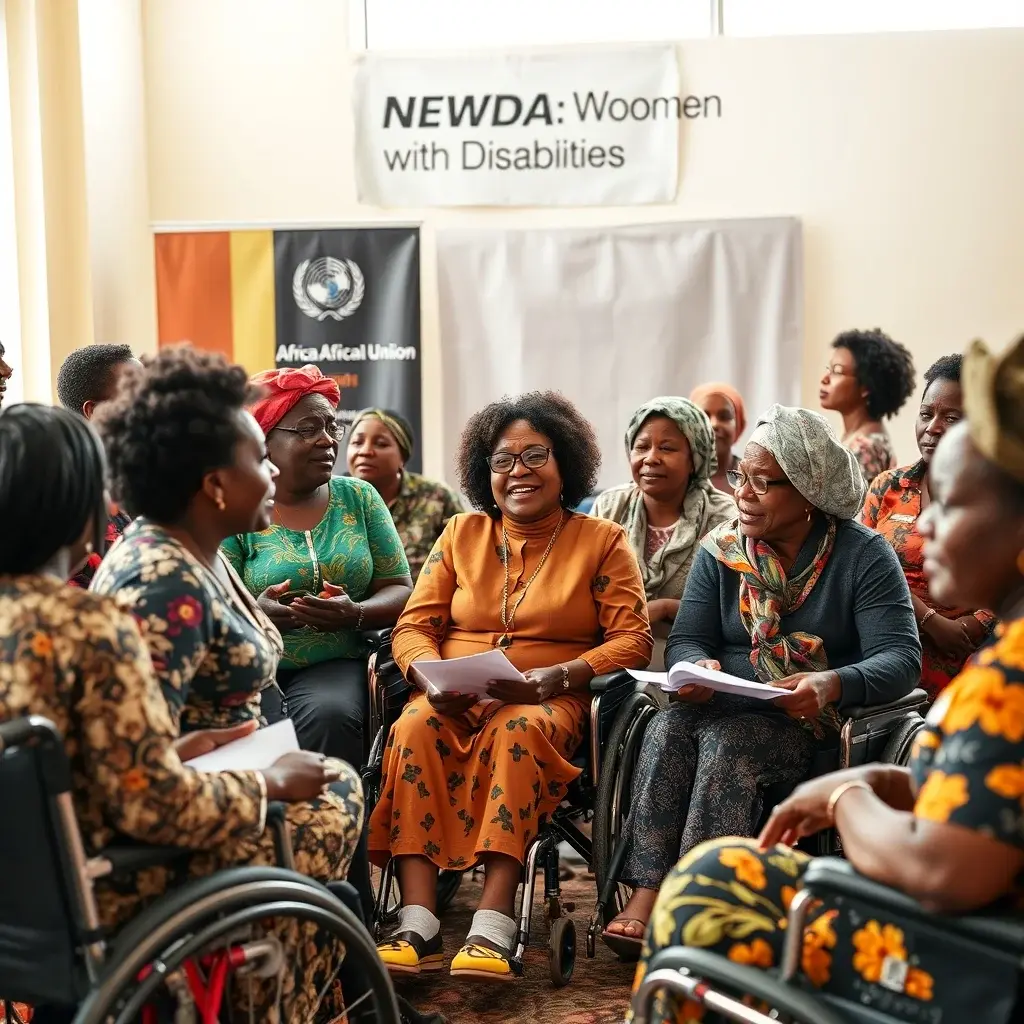
Accra, Ghana – The Network of Women with Disabilities, Africa (NEWDA) is intensifying its campaign for Ghana to ratify the African Disability Protocol (ADP), a move they deem crucial for safeguarding the rights and dignity of women with disabilities across the nation. The advocacy push was formally launched in Accra during an inception and stakeholder engagement workshop, organized in partnership with the Women with Disability Development and Advocacy Organisation (WODAO).
Context: The African Disability Protocol and Ghana’s Commitment
The African Disability Protocol, adopted by the African Union, aims to provide a comprehensive legal framework for protecting and promoting the rights of persons with disabilities on the continent. While Ghana ratified the Convention on the Rights of Persons with Disabilities (CRPD) in 2012 and enacted the Persons with Disabilities Act in 2006, advocates argue that existing legislation falls short of addressing the specific and compounded challenges faced by women and girls with disabilities.
Madam Veronica Denyo Kofiedu, Co-Convener of NEWDA, explained that the current project aims to bolster coordination among various stakeholders and accelerate Ghana’s commitment to ratifying the ADP. This initiative seeks to create a unified platform for advocacy and ensure that the unique vulnerabilities of women with disabilities are adequately recognized and addressed within national policies.
Addressing Intersecting Discrimination
NEWDA was established by three women with diverse disabilities who identified a critical gap: the absence of a cohesive platform for women with disabilities in Ghana and across Africa. “NEWDA will create this platform to empower women with disabilities to collectively advocate for their human rights, amplify their voices, and promote inclusion, equality, and social justice,” stated Professor Augustina Naami, a senior lecturer at the University of Ghana and Co-Convener of NEWDA.
Professor Naami highlighted the pervasive issue of multiple and intersecting forms of discrimination that women with disabilities encounter. These challenges significantly limit their participation in education, employment, leadership roles, and governance. “Research indicates that compared with their male counterparts and women without disabilities, women with disabilities are less likely to have education, more likely to have higher unemployment rates, and more likely to work in the informal sector,” she noted.
Furthermore, women with disabilities face a heightened risk of gender-based violence and abuse. “Women with disabilities are approximately three times more likely to experience violence than women without disabilities,” Professor Naami revealed, underscoring the urgent need for stronger protective measures.
Progress Towards Ratification
A representative from the Legal Department of the Ministry of Foreign Affairs provided an update on the ratification process. They confirmed that the protocol has advanced to the cabinet level and is slated for parliamentary consideration soon. The process requires cabinet approval before being presented to Parliament for ratification, after which it must be incorporated into domestic law.
The official expressed optimism that the parliamentary process would commence shortly. “Once the cabinet approval has been attained, the parliamentary memo will be transmitted to Parliament for the ratification process,” the representative assured, signaling a potential breakthrough.
A Year-Long National Project
The workshop also served to outline NEWDA’s comprehensive one-year national project, designed to fortify the movement for women with disabilities and elevate public awareness regarding the African Disability Protocol. The project, scheduled to run from November 2025 to October 2026, will involve extensive consultations, leadership training, media engagements, and digital advocacy campaigns.
Key stakeholders targeted for engagement include Parliament, the Ministry of Gender, Children and Social Protection, the Commission on Human Rights and Administrative Justice (CHRAJ), various disability organizations, and the media. The overarching goal is to build significant momentum and secure the ratification of the protocol by the Ghanaian government.
Implications and Future Outlook
The ratification of the African Disability Protocol by Ghana would signify a strong governmental commitment to upholding the rights of persons with disabilities, particularly women and girls. It would provide a more robust legal framework to combat the specific forms of discrimination and vulnerability they face. The ongoing efforts by NEWDA and its partners are crucial in ensuring that this legal instrument translates into tangible improvements in the lives of women with disabilities.
As the protocol moves towards parliamentary review, sustained advocacy and collaboration will be essential. The success of NEWDA’s national project in raising awareness and building consensus among policymakers and the public will be critical. The coming months will be pivotal in determining whether Ghana will formally adopt this vital protocol, thereby reinforcing its dedication to inclusive development and gender equality.










Leave a Reply