
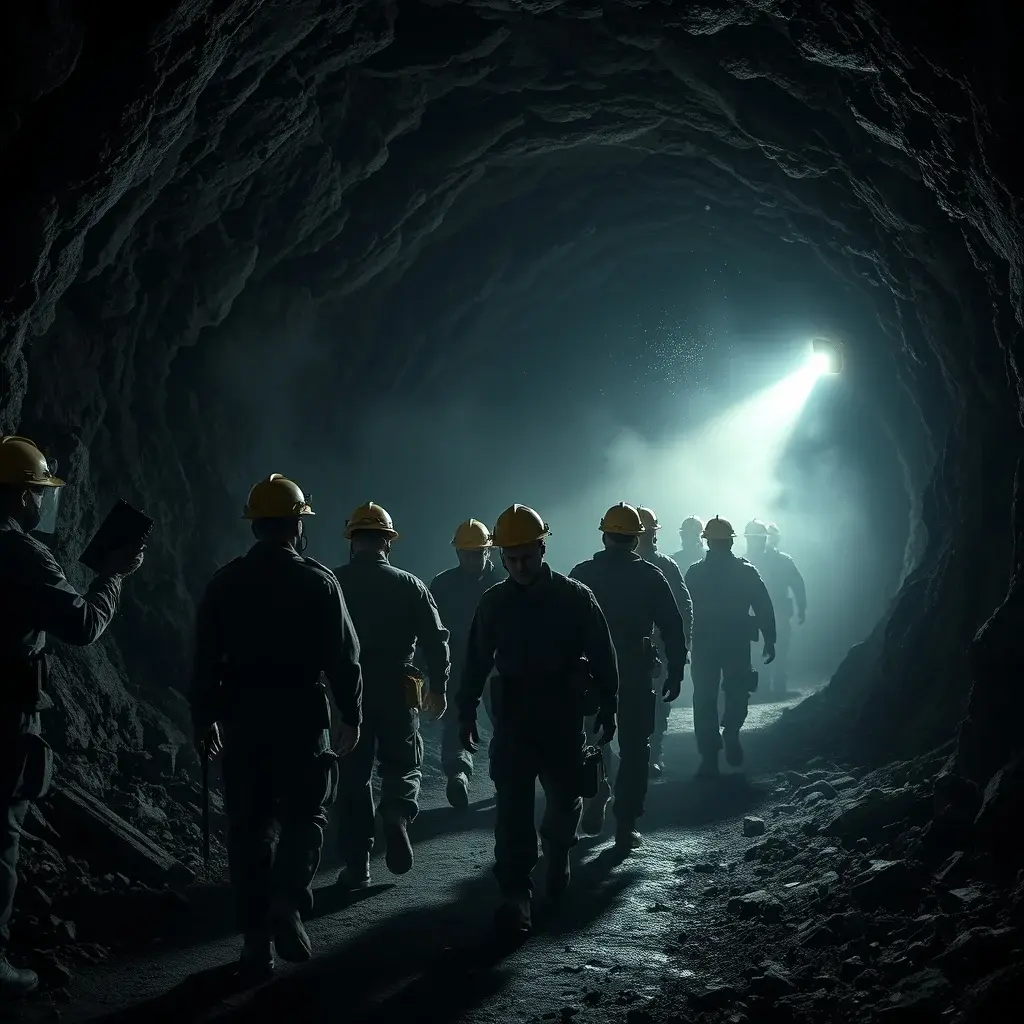
Nine coal miners have died following a gas explosion at a mine in Sutatausa, Cundinamarca, Colombia, on Monday afternoon. Emergency services rescued six other miners from the shafts, who are currently receiving hospital treatment. The incident, which occurred around 4:00 PM local time, is attributed by Colombia’s national mining agency to a build-up of gases within the mine.
Context of Colombian Mining Safety
Colombia’s mining sector, particularly its coal operations, has a long history marred by safety concerns and frequent accidents. Many mines, especially in regions like Sutatausa, operate informally. This often means they lack stringent safety regulations and adequate equipment, increasing the risk of catastrophic events.
The national mining agency had previously inspected this specific mine less than a month before the explosion. During that inspection, they issued recommendations to the operators, warning of a “potentially dangerous gas build-up.” This indicates that known risks were present prior to the fatal incident.
Details of the Sutatausa Incident
The explosion occurred at approximately 16:00 GMT on Monday. Captain Álvaro Farfán of the regional fire department confirmed that rescue teams were actively working to recover the bodies of the deceased miners. The exact cause is believed to be a significant accumulation of gases within the mine’s tunnels.
Sutatausa, located north of the capital Bogotá, has been a significant coal-mining center for decades. Many local residents depend on the industry for their livelihood, making mining a deeply ingrained part of the community’s fabric.
Previous Mining Disasters in the Region
This tragedy is not an isolated event in Colombia’s mining history. The country has experienced numerous fatal accidents in recent years, highlighting persistent safety challenges.
In July of the previous year, 18 workers were rescued from an unlicensed gold mine in Colombia after being trapped for 18 hours due to a mechanical failure. This incident underscored the dangers associated with unregulated mining operations.
Tragically, Sutatausa itself was the site of another deadly incident in 2023. A devastating blast tore through a complex of coal mines in the area, claiming the lives of 21 people. Investigations at the time pointed to a methane gas build-up as the cause of that explosion.
Implications and Future Outlook
The recurring nature of these accidents raises serious questions about the effectiveness of safety regulations and enforcement within Colombia’s mining sector. The fact that warnings were issued following a recent inspection, yet a fatal explosion still occurred, suggests a critical gap between identified risks and implemented safety measures.
For the mining industry in Colombia, this incident serves as a stark reminder of the inherent dangers, especially in operations with informal structures or inadequate safety protocols. It is likely to renew calls for stricter oversight, improved safety standards, and greater investment in technology and training for miners.
The long-term implications could include increased pressure on the government to implement more robust safety frameworks and potentially stricter penalties for operators who fail to comply. Communities reliant on mining may face renewed debate about the sustainability and safety of their primary industry.
Moving forward, attention will likely focus on whether the national mining agency’s previous recommendations are more rigorously enforced across all mining operations. Observers will also watch for any new legislative or regulatory changes aimed at preventing future gas-related explosions and improving overall mine safety in Colombia.










Leave a Reply