
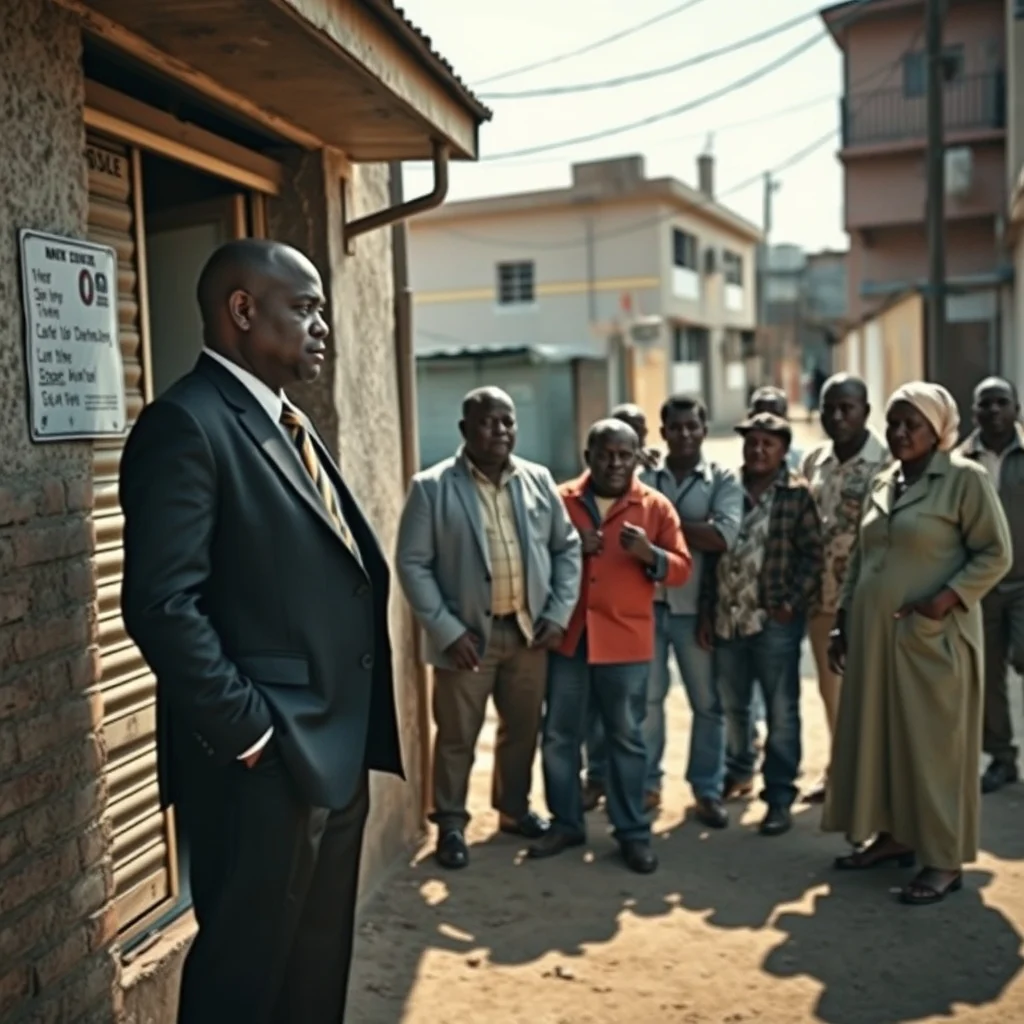
A local mayor in Estcourt, South Africa, near Durban, has reportedly stepped down from a controversial directive that led to the closure and alleged seizure of foreign-owned businesses. This development follows significant pressure from diplomatic missions and the threat of legal action, as confirmed by the Ghana High Commission in South Africa on Tuesday, May 12.
Diplomatic Intervention and Legal Threats
The Ghana High Commission confirmed that the mayor has signaled a willingness to resolve the contentious issue through dialogue. This shift occurred after intervention from diplomatic channels and the South African Department of International Relations and Cooperation (DIRCO).
Benjamin Anani Quashie, speaking on JoyNews’ The Pulse, stated that the mayor initiated contact, expressing a desire for a meeting to settle the dispute. “I think that we have just been briefed that the mayor is standing down on what he was doing back in Estcourt, indicating that they are giving us a number of days. In fact, he spoke to me this morning, and he indicated that he’s looking for a meeting and getting this matter resolved,” Quashie said.
However, the High Commission remains firm that justice for affected traders must precede any negotiations. “We did not come in to negotiate. We came in to ensure that the right thing is done. The right thing is to give back the keys to the people who own those businesses,” Quashie asserted.
The High Commission had previously written to DIRCO, outlining its intention to pursue legal avenues if the situation was not addressed satisfactorily. This diplomatic pressure is believed to have been a key factor in the mayor’s decision to reconsider the directive.
Context of Xenophobia and Business Disputes
This incident occurs against a backdrop of ongoing concerns regarding xenophobic sentiments and attacks against foreign nationals in South Africa. Such events often involve disputes over business ownership and competition, leading to retaliatory actions against foreign-owned enterprises.
Recent public statements from South African leadership indicate a growing awareness and renewed commitment to tackling xenophobic incidents. This suggests a potential shift in official attitudes towards addressing the underlying issues that fuel such conflicts.
High Commission’s Stance on Resolution
Despite the mayor’s willingness to engage, the Ghana High Commission emphasized that diplomatic missions are not withdrawing legal steps until a full and acceptable resolution is achieved. “We are not standing down on any of these promises until we see that the issues are resolved in an acceptable way,” Quashie stated.
The High Commission’s primary focus remains on ensuring that affected foreign traders have their businesses restored and that all actions taken adhere to lawful processes. The engagement is ongoing, with the goal of achieving a just outcome for all parties involved.
Implications and Future Outlook
The mayor’s decision to step down suggests that diplomatic pressure and the threat of legal action can be effective tools in addressing disputes involving foreign nationals and their businesses in South Africa. It highlights the critical role of diplomatic missions in protecting the rights and interests of their citizens abroad.
For foreign business owners operating in South Africa, this development offers a glimmer of hope, indicating that their grievances may be heard and addressed through established channels. However, the continued insistence on legal recourse underscores the need for robust legal frameworks and their consistent enforcement to ensure fair treatment.
What remains to be seen is the extent to which the mayor’s commitment translates into concrete actions and a lasting resolution for the affected traders. The South African government’s broader response to xenophobia and its commitment to protecting foreign investments will be crucial indicators of future stability and inclusivity for foreign entrepreneurs in the country.










Leave a Reply