
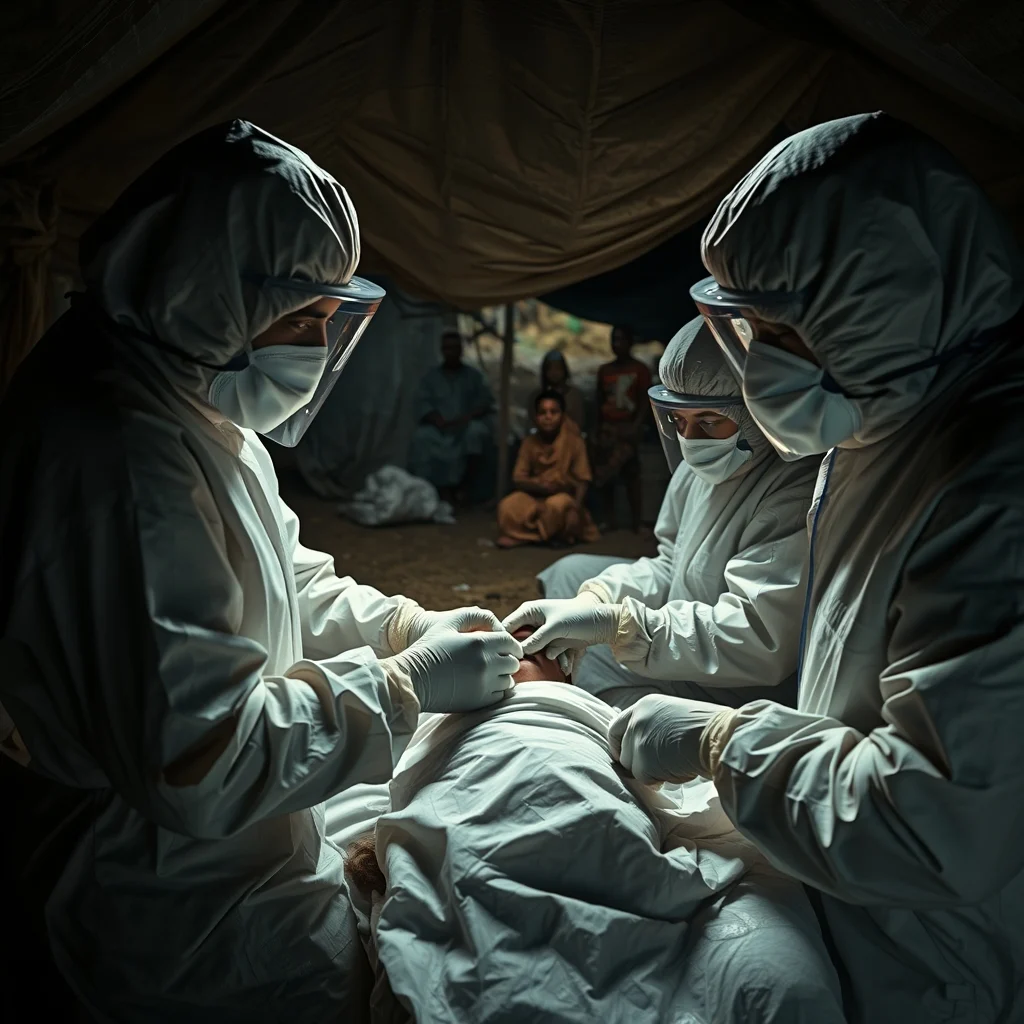
The World Health Organization (WHO) has declared the ongoing Ebola outbreak in the Democratic Republic of Congo’s (DRC) eastern Ituri province a public health emergency of international concern. The declaration comes as the outbreak, caused by the Bundibugyo virus, has spread to neighboring Uganda, with approximately 246 suspected cases and 80 deaths reported in the DRC.
Context of the Outbreak
Ebola, a severe and often fatal illness, was first identified in 1976 in the DRC, believed to have originated from bats. This marks the 17th outbreak of the disease in the country. The Bundibugyo virus strain currently circulating has no approved drugs or vaccines, adding to the complexity of containment efforts.
The virus spreads through direct contact with bodily fluids and broken skin. Initial symptoms, such as fever, muscle pain, and headache, can quickly progress to vomiting, diarrhea, rash, and severe bleeding. The WHO reports an average fatality rate of around 50% for Ebola.
Escalating Concerns and Spread
WHO Director-General Dr. Tedros Adhanom Ghebreyesus highlighted significant uncertainties regarding the true number of infected individuals and the geographic spread of the current outbreak. As of the declaration, eight laboratory-confirmed cases have been identified in the DRC, alongside suspected cases and deaths across three health zones: Bunia, the provincial capital, and the gold-mining towns of Mongwalu and Rwampara.
The virus’s reach has extended beyond the DRC’s borders, with two confirmed cases reported in neighboring Uganda. Ugandan officials confirmed a death on Thursday that tested positive for the virus. Countries bordering the DRC are considered high-risk due to substantial population mobility, trade, and travel between regions.
International Response and Recommendations
The WHO has advised both the DRC and Uganda to establish emergency operation centers. These centers will be crucial for monitoring, contact tracing, and implementing infection prevention and control measures. The agency emphasized the immediate isolation and treatment of confirmed cases until they test negative on two Bundibugyo virus-specific tests conducted at least 48 hours apart.
For neighboring countries, enhanced surveillance and health reporting systems are recommended to detect and respond to potential introductions of the virus. The WHO also issued a strong caution against border closures or travel and trade restrictions, stating that such measures are typically fear-driven and lack scientific justification.
Expert Perspectives and Data
The Africa Centers for Disease Control and Prevention (Africa CDC) previously voiced concerns about the high risk of further spread, particularly due to the urban settings of Rwampara and Bunia, and the mining activities in Mongwalu. Dr. Jean Kaseya, the executive director of Africa CDC, underscored the necessity of regional coordination, citing significant population movement between affected areas and neighboring nations.
Historically, Ebola has had a devastating impact in Africa. Over the past 50 years, approximately 15,000 people have died from the virus across the continent. The DRC experienced its deadliest outbreak between 2018 and 2020, resulting in nearly 2,300 fatalities. A more recent outbreak last year claimed 45 lives in a remote region.
Implications and Future Outlook
The declaration of a public health emergency of international concern by the WHO signifies the severity of the situation and the potential for wider regional and international spread. It mobilizes global resources and attention towards containing the outbreak effectively. The focus will likely remain on strengthening surveillance, rapid response capabilities, and cross-border collaboration.
The effectiveness of the recommended public health measures, particularly in densely populated urban areas and regions with high mobility, will be critical in the coming weeks. Continued monitoring of case numbers, geographic spread, and the development of potential therapeutic interventions will be key indicators to watch as the international community works to bring this outbreak under control.










Leave a Reply