
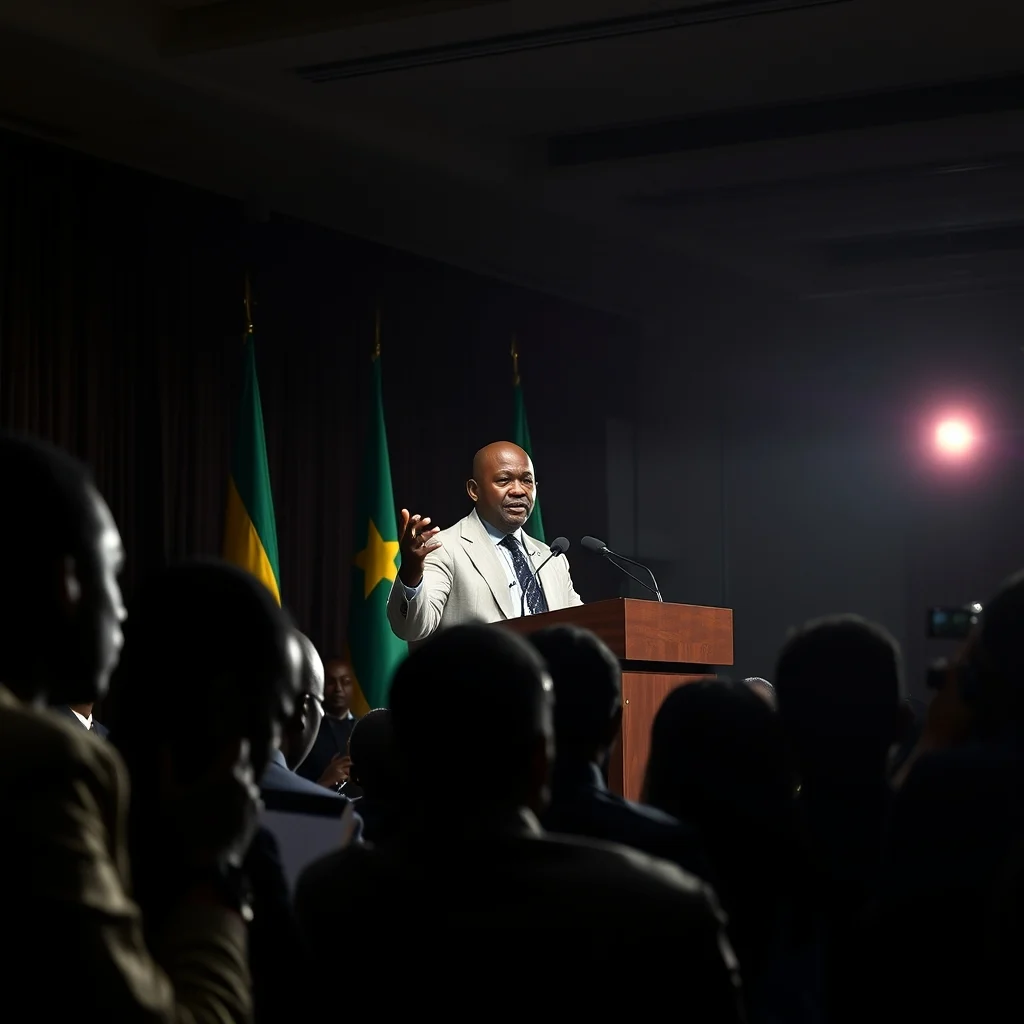
Accra, Ghana – The Minority in Parliament has accused the governing National Democratic Congress (NDC) of attempting to impose a 0.75% charge on mobile money transactions, bypassing parliamentary approval by using the Bank of Ghana (BoG) and a private fintech company as enforcement vehicles. The allegations were made by Minority Leader Alexander Afenyo-Markin during a press conference on Tuesday, May 26, where he detailed concerns over what he termed “hidden charges” on wallet-to-bank transfers.
Background of the Allegation
The controversy centers on a proposed levy that Minority Leader Afenyo-Markin claims was slated to take effect from June 1st. This levy, specifically targeting transfers from mobile money wallets to bank accounts, was allegedly set to be enforced not through a formal parliamentary budgetary process, but via regulatory directives and private sector agreements.
Afenyo-Markin asserted that the government’s approach deviated significantly from established fiscal policy implementation. He contrasted the current situation with previous administrations, where similar financial levies were introduced and debated through the national budget, requiring parliamentary assent before becoming law.
Details of the Alleged Scheme
According to Afenyo-Markin, the NDC administration sought to utilize the Bank of Ghana and an unnamed private sector fintech company as the primary mechanisms for collecting this charge. This method, he argued, circumvented the necessary legislative scrutiny and public discourse typically associated with new taxes or financial transaction fees.
The Minority Leader expressed strong disapproval of the process, emphasizing that Parliament must be integral to any policy that impacts financial transactions, especially within the burgeoning mobile money sector. “We are not interested in the suspension. We are interested in how this was introduced and why Parliament was not engaged,” he stated, highlighting the core of their objection.
Bank of Ghana’s Response and Suspension
Following public outcry and the Minority’s allegations, the Bank of Ghana announced a suspension of the levy. The central bank indicated that the pause was necessary to allow for further stakeholder consultations. This suspension, however, did not appease the Minority, who maintain that the underlying process remains a significant concern regarding transparency and accountability in fiscal policy formulation.
Calls for Parliamentary Engagement
The Minority Leader has formally called for the Minister of Finance to appear before Parliament. The purpose of this summons would be to provide a comprehensive explanation regarding the proposed charge, its subsequent suspension, and the rationale behind the unconventional implementation strategy.
The rapid growth of mobile money services in Ghana has made it a critical component of the financial ecosystem. The Minority argues that any policy affecting this sector requires the utmost transparency and adherence to established legislative procedures to maintain public trust and ensure fair financial practices.
Implications and Future Outlook
This incident raises significant questions about the government’s methods for introducing new financial charges and the importance of parliamentary oversight in such matters. The suspension indicates a potential acknowledgment of the procedural concerns, but the underlying intent and method of introduction remain under scrutiny.
Moving forward, stakeholders will be watching to see if the government adopts more conventional channels for fiscal policy changes. The outcome of the further consultations and the Finance Minister’s appearance in Parliament will be crucial in determining the future of such levies and reinforcing confidence in the regulatory and legislative processes governing Ghana’s financial technology landscape.









Leave a Reply