
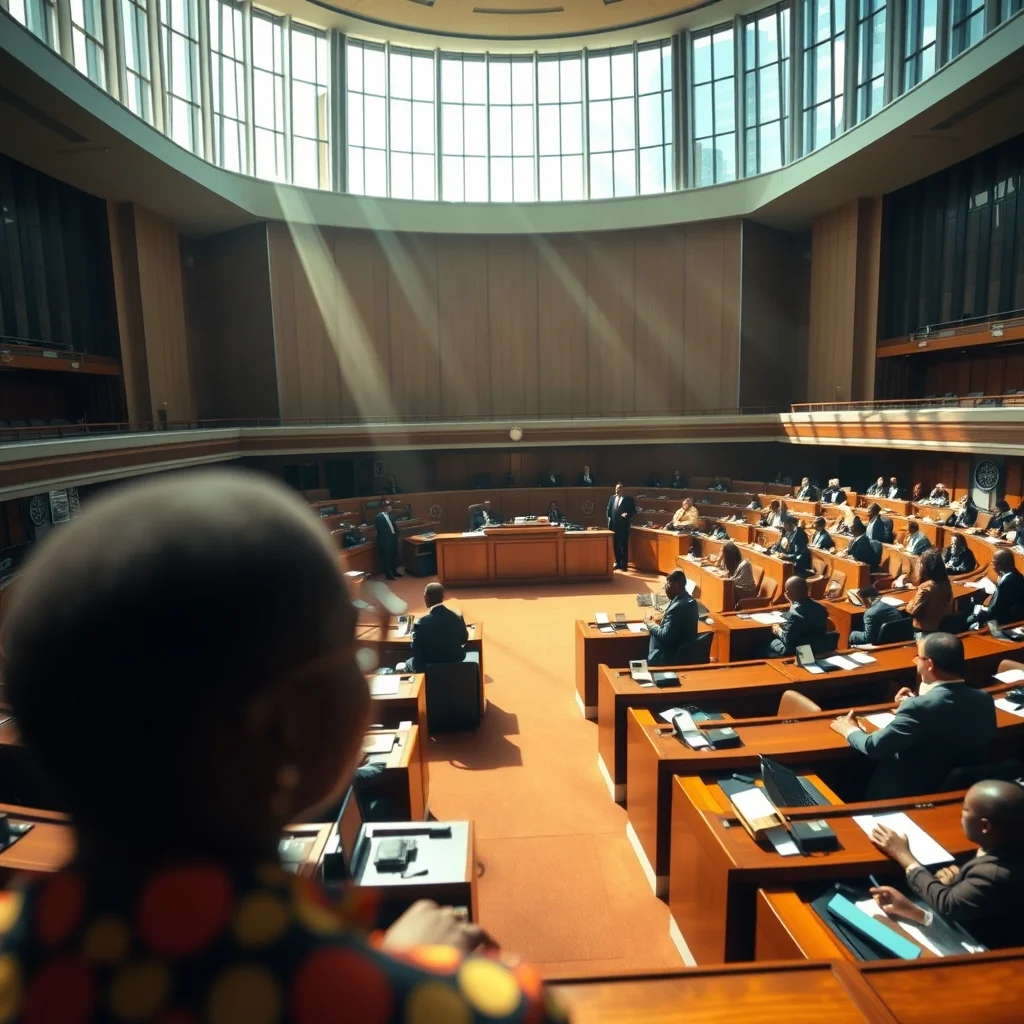
Members of Ghana’s Parliament are being urged to actively support and implement the Open Government Partnership (OGP) initiative as a critical strategy to rebuild public confidence in democratic governance. This call comes amidst the commemoration of Open Government Week, highlighting the ongoing need for transparency and accountability in government operations.
Context: The Open Government Partnership
The Open Government Partnership (OGP) is a global, multilateral initiative that brings together governments and civil society organizations. Its core mission is to foster open government through concrete commitments from national and sub-national governments. The OGP aims to enhance transparency, combat corruption, and improve public services by making governments more accessible, accountable, and responsive to their citizens.
Ghana has been a participant in the OGP since 2011. The partnership provides a framework for the country to implement reforms that connect national policies with parliamentary openness, local innovations, civil society engagement, and direct citizen participation. When government institutions operate with openness and accountability, public trust in those institutions and the broader governance processes is significantly strengthened.
Parliament’s Role in Deepening Democracy
Lawmakers, including Lydia Lamisi Akanvariba (NDC, Tempane) and Emmanuel Kwasi Bedzrah (NDC, Ho West), emphasized that Ghana’s engagement with the OGP has already yielded substantial reforms. Key achievements cited include the passage and operationalization of the Right to Information Act, the establishment of a Public Beneficial Ownership Register, and significant improvements in public financial management.
Parliament itself has taken steps to embrace open governance principles. These include the development of an Open Parliament Action Plan, the formation of an OGP Caucus, and the establishment of an Open Parliament Steering Committee, which is notably chaired by the Speaker of Parliament. These actions demonstrate a commitment to integrating OGP principles within the legislative body’s functions.
The country’s efforts have not gone unnoticed on the international stage. Ghana received continental and global recognition at the 2023 OGP Global Summit in Tallinn, Estonia, securing the African Regional Award for its advancements in promoting accountability through the Public Accounts Committee and its audit reforms.
Sustaining Momentum and Deepening Engagement
Despite these achievements, MPs stressed that maintaining and building upon these gains requires sustained political will and dedicated financial commitment from both the executive and legislative branches of government. They called for more inclusive stakeholder engagement across all regions of Ghana.
Furthermore, the legislators advocated for strengthening Parliament’s institutional capacity within the OGP process. The timely passage of pending legislative instruments crucial for enhancing transparency and accountability was also highlighted as a priority. The MPs urged that the OGP implementation be viewed as a national reform agenda, owned by all branches of government and the Ghanaian populace, rather than a project solely driven by external donors.
Moving Beyond Rhetoric to Practice
Other parliamentarians echoed the sentiments, emphasizing the need for tangible action. Isaac Boamah-Nyarko (NPP, Effia) stated that the OGP must evolve from mere rhetoric into a practical instrument for ensuring transparency and accountability. He argued for proactive government communication with citizens on critical national issues, stressing that open governance should be a visible reality in the daily lives of Ghanaians.
Hamza Adam (NDC, Kumbungu), a member of the Parliamentary OGP Caucus, detailed the caucus’s progress. He reported on engagements with various ministries, departments, and agencies aimed at fostering accountability, transparency, and citizen involvement, asserting that the initiative has moved beyond theoretical discussions to practical engagement with both institutions and civil society.
Balancing Free Speech with Responsibility
Concerns were also raised regarding the broader climate for public discourse. Jerry Ahmed Shaib (NPP, Weija-Gbawe), the Second Deputy Minority Whip, expressed worry about a perceived growing ‘culture of silence.’ He underscored the importance of free speech and cautioned against any measures that might deter citizens from openly voicing concerns about governance and national matters.
Philip Fiifi Buckman (NDC, Kwesimintsim) added a nuanced perspective, emphasizing that while democracy and open governance thrive on citizen participation, this must be balanced with responsibility. He maintained that freedom of speech should operate within legal boundaries to ensure peace and national stability, reminding that constitutional obligations require citizens to act in ways that do not harm the state.
Looking Ahead: The Future of Open Governance in Ghana
The ongoing dialogue in Parliament underscores the critical juncture Ghana faces in its democratic journey. The effective implementation of the OGP is seen not just as a procedural reform but as a foundational element for restoring and sustaining public trust. The coming months will likely see increased focus on how these calls for deeper engagement, stronger institutional roles, and practical application of open governance principles translate into concrete policy actions and legislative changes. The success of these efforts will be a key indicator of Ghana’s commitment to a more transparent, accountable, and citizen-centered democracy.





Leave a Reply