

In an increasingly unpredictable global climate, the allure of dual citizenship is diminishing, transforming from a symbol of opportunity and prestige into a potential source of vulnerability. Recent events in the United States and South Africa highlight how dual citizens can find themselves in precarious positions when political crises, immigration crackdowns, or xenophobic sentiments emerge, potentially belonging fully to neither nation.
For years, acquiring a second citizenship was often viewed as a strategic advantage, offering enhanced travel, economic benefits, and a sense of global security. Passports were collected, national identities were curated for convenience, and allegiances were managed between personal preference and practical necessity. However, a series of global events are now starkly revealing the limitations and potential dangers inherent in this status.
The Illusion of Security in Turbulent Times
When nations face economic downturns, political instability, or social unrest, foreign nationals, including those with dual citizenship, often become scapegoats. The stringent immigration policies enacted under the Trump administration in the United States, characterized by travel bans, increased deportations, and heightened anti-immigrant rhetoric, created an atmosphere of fear and uncertainty for many foreign-born residents. Individuals who had long considered themselves integrated members of society began to question their belonging and security.
Dual citizens, holding American passports while maintaining strong ties to other countries, found themselves navigating complex emotional and legal ambiguities. The question of primary allegiance became a source of profound distress, leaving them wondering if they were perceived as Americans first or as foreigners under scrutiny.
Xenophobia and the Blame Game
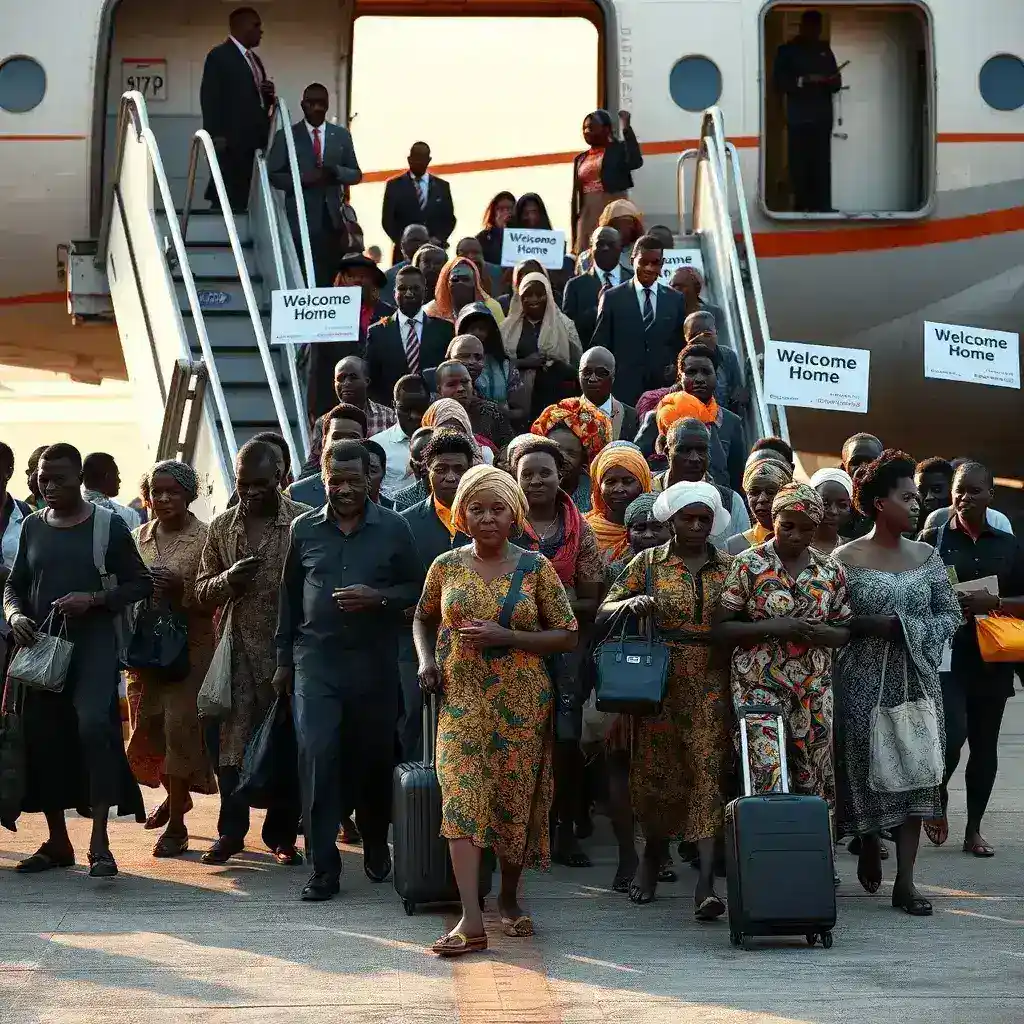
Simultaneously, South Africa has grappled with recurring outbreaks of xenophobic violence targeting African migrants from nations such as Ghana, Nigeria, Zimbabwe, Somalia, and Ethiopia. These attacks, which have led to the destruction of businesses and the displacement of families, underscore a dangerous trend in nationalism and identity politics. During periods of heightened anger and instability, marginalized groups, including foreigners, are frequently blamed for societal problems like unemployment, crime, and economic hardship.
This dynamic exposes a critical vulnerability for dual citizens. While holding two passports may seem advantageous during times of peace and prosperity, during conflict or political upheaval, both countries might be hesitant to fully commit to protecting such individuals. The fundamental questions arise: Who is responsible for their evacuation? Which nation will champion their cause during diplomatic tensions? And critically, where do they truly belong?
National Interests Trump Individual Rights
Historical precedents demonstrate that nations invariably prioritize their strategic interests and political convenience. Government protection is often contingent on national priorities and security calculations. In moments of crisis, dual citizens can become entangled in bureaucratic confusion, face divided diplomatic responsibilities, or be met with outright suspicion from authorities who question their ultimate loyalty.
A country may view a dual citizen as having divided allegiances, while another might perceive them merely as a temporary holder of citizenship, lacking genuine commitment. In extreme scenarios, dual citizens risk becoming political pawns, used to appease domestic political pressures or serve as convenient scapegoats.
The Rise of Nationalism and Retreating Borders
The contemporary global landscape is increasingly marked by a rise in nationalist sentiments and a tightening of borders across Europe, North America, and parts of Africa. Aggressive immigration debates, fueled by economic anxieties and security concerns, are leading many nations to adopt more protectionist policies. This trend suggests a global retreat into self-preservation, where national interests are emphasized over international cooperation and individual rights.
This reality necessitates a critical re-evaluation by individuals, particularly Africans, who are actively seeking foreign citizenship without fully comprehending the long-term implications. While dual citizenship offers tangible benefits such as easier travel, expanded business and educational opportunities, and greater global mobility, these advantages are juxtaposed against a significant psychological and political dilemma.
Citizenship Beyond the Passport
Citizenship is more than just a travel document; it is intrinsically linked to identity, loyalty, and national responsibility. When crises emerge, a divided sense of identity can transform from an asset into a profound burden. The hard-learned lesson from recent global events is that during national emergencies, a host country’s primary concern will always be its native-born citizens.
Immigrants and foreign nationals often become the most accessible targets when jobs are scarce, economies falter, or political tensions escalate. The xenophobic violence in South Africa and the harsh immigration crackdowns in the United States serve as stark reminders of this vulnerability. Consequently, many dual citizens may face a future fraught with uncertainty and potential danger.
Navigating a New Global Order
Africans, in particular, are urged to exercise caution, avoiding the abandonment of emotional loyalty to their home countries in pursuit of foreign validation. The aspiration for multiple citizenships should not overshadow the stark realities of international politics. A second passport or nationality does not automatically guarantee acceptance, protection, or immunity from discrimination, deportation, or rejection.
As the world rapidly transforms, with rising nationalism, tightening borders, and governments increasingly prioritizing their own populations, dual citizens must confront a critical question: In an unstable world where nations are forced to choose sides, who will genuinely stand in their defense?









Leave a Reply