
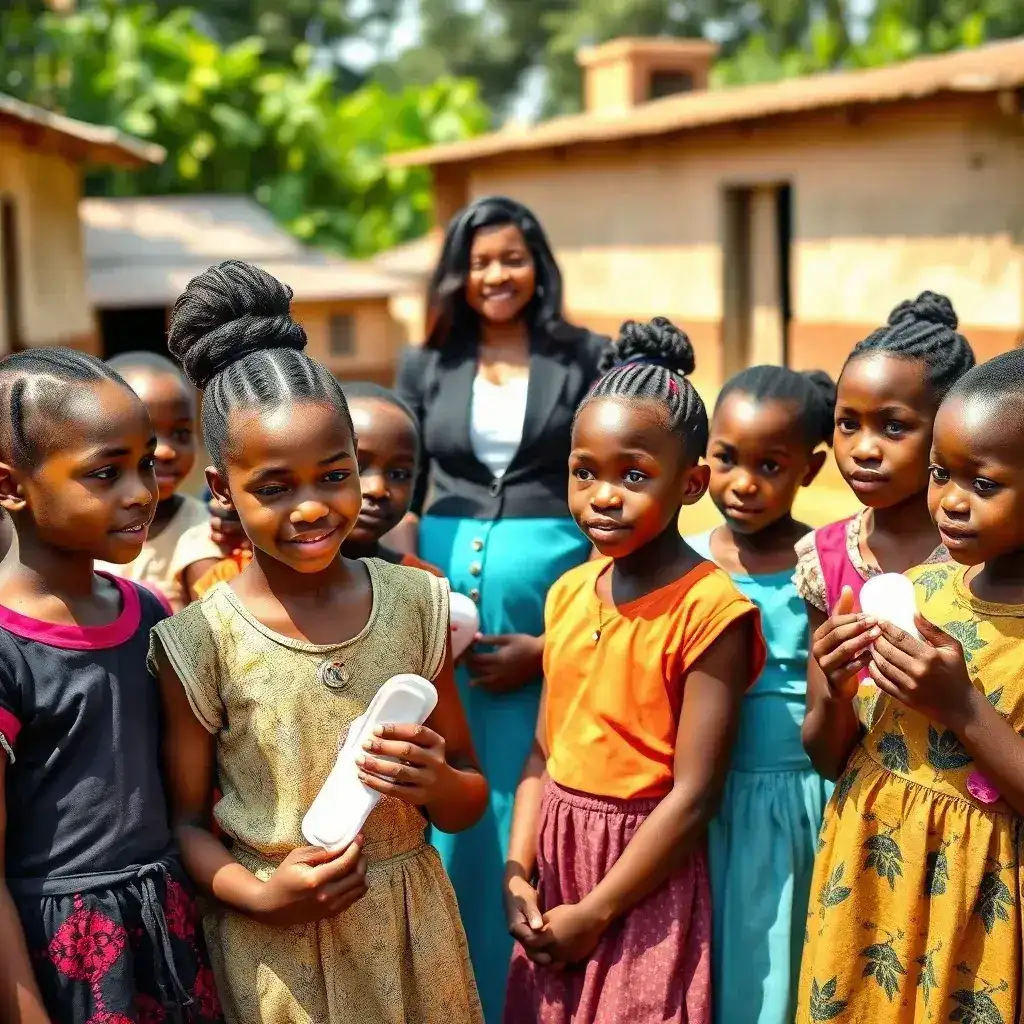
United Pension Trustees, in collaboration with the Nkɔsuoɔhene of the Juaben Traditional Area, Nana Awuah-Darko Ampem II, recently organized a hygiene seminar and donated sanitary products to over 2,000 girls in Ghana’s Juaben Municipality. The initiative, timed with Menstrual Hygiene Day, aims to combat menstrual poverty and the pervasive stigma that hinders girls’ health and education.
Context: The Challenge of Menstrual Poverty
Menstrual poverty refers to the lack of access to menstrual products, education, hygiene facilities, and waste management. This issue disproportionately affects adolescent girls and women in low-income communities, leading to missed school days, health complications, and social exclusion. Despite government efforts like the free sanitary pad initiative for Senior High Schools, affordability and accessibility remain significant barriers for many.
Community Outreach and Education
The event, held for junior high school students across eight schools in the Juaben Municipality, focused on providing crucial guidance on menstrual health and hygiene. Experts and Girl Child Education officers educated girls who have reached puberty on maintaining proper hygiene during their periods.
The outreach was comprehensive, extending to boys who received information on general health, teenage pregnancy, and sexually transmitted infections, including HIV. This inclusive approach seeks to foster understanding and shared responsibility among students.
Addressing Stigma and Barriers to Education
Samira Nasiru, Head of Investment at United Pension Trustees, highlighted the firm’s commitment to adolescent health and menstrual equity as part of its social responsibility. She emphasized that the stigma surrounding menstruation forces many girls to drop out of school.
Fear of embarrassment, lack of affordable sanitary products, and inadequate school facilities contribute to girls missing class during their periods. Nasiru stressed that open dialogue is critical to ensuring girls remain in school and exercise their right to education.








Leave a Reply