
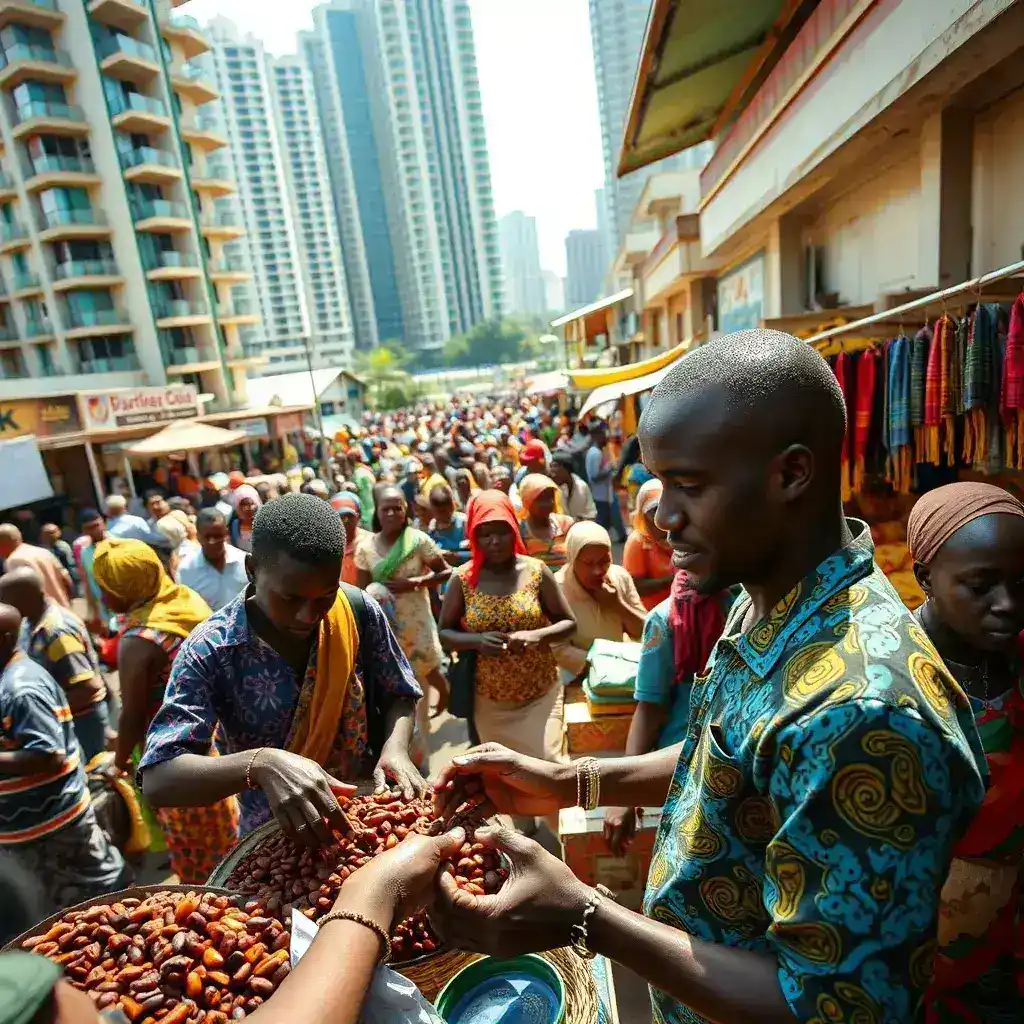
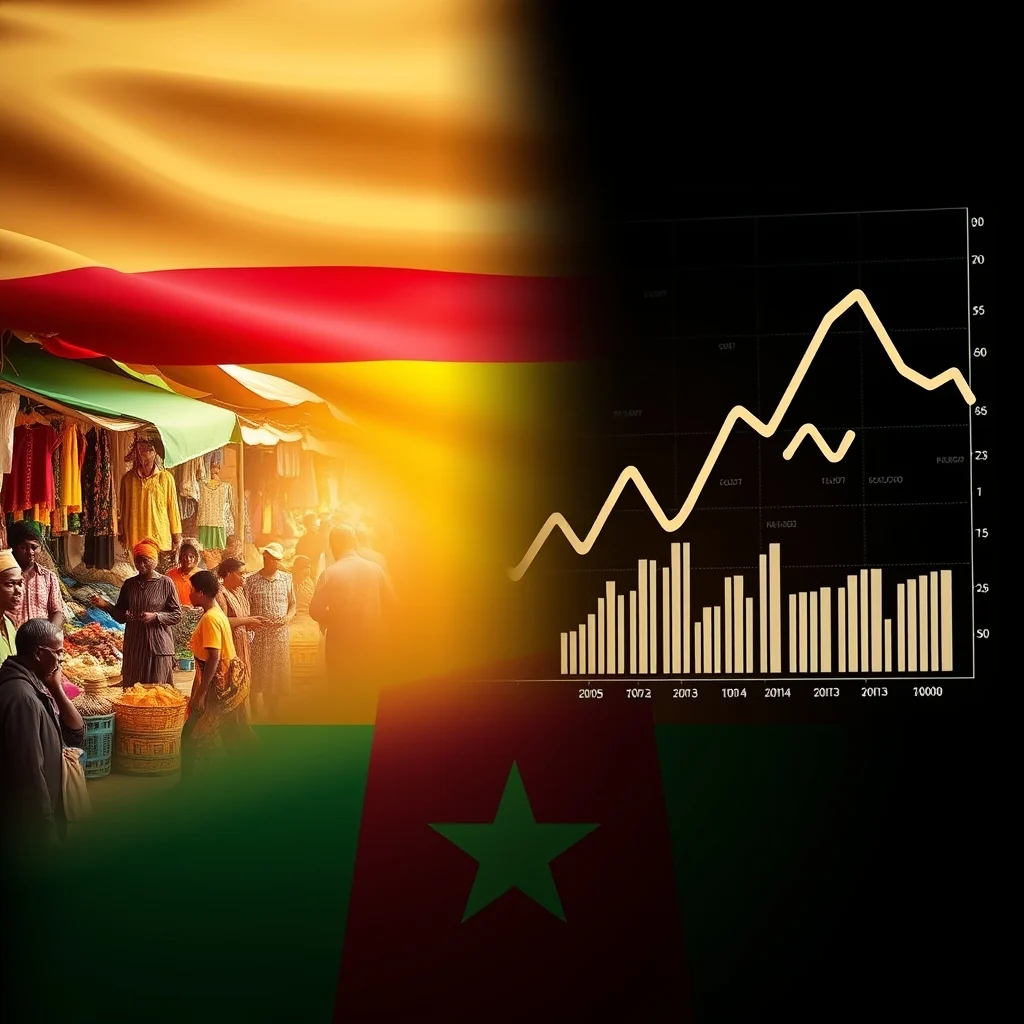
The African Development Bank (AfDB) has forecast Ghana’s Gross Domestic Product (GDP) to grow by a robust 5.0 per cent in 2026, with further strengthening to 5.4 per cent anticipated in 2027. This projection, detailed in the bank’s flagship 2026 African Economic Outlook Report, positions Ghana as a leading economy within the West African sub-region and slightly surpasses earlier growth targets set by the International Monetary Fund (IMF) and the World Bank.
Easing Inflation and Fiscal Discipline
The AfDB report anticipates that Ghana’s inflation rate will stabilize at 9.0 per cent by the end of 2026. While higher than current levels, this projection reflects an expectation of improving macroeconomic stability and a general easing of consumer price pressures.
Concurrently, the report foresees a steady improvement in the nation’s fiscal management. The national fiscal deficit is expected to narrow from 2.6 per cent of GDP in 2026 to 2.2 per cent in 2027.
This projected contraction indicates the positive impact of ongoing government strategies focused on revenue mobilization and expenditure rationalization.
Resilient External Sector
Ghana’s external position is also expected to remain strong, supported by a projected current account surplus. The AfDB forecasts this surplus to reach 3.0 per cent of GDP in 2026, moderating slightly to 2.7 per cent in 2027.
This sustained surplus highlights the resilience of Ghana’s external trade sector, which is significantly driven by traditional commodity exports, even amidst global economic uncertainties.
The broader West African region is also projected for significant economic expansion, with the AfDB estimating an average growth of 4.7 per cent in 2026. This regional growth is bolstered by strong agricultural output, expanding agro-processing value chains, and sustained investments in infrastructure.
Downside Risks and Strategic Imperatives
Despite the optimistic outlook, the African Development Bank has cautioned finance ministries across Africa, including Ghana’s, to remain vigilant against potential risks. These include rising geopolitical tensions, elevated global prices for crude oil and fertilizers, and persistent disruptions to international supply chains.
To mitigate these vulnerabilities and enhance long-term economic resilience, the AfDB stresses the urgent need for African nations to strengthen domestic resource mobilization. Deepening intra-continental trade under the African Continental Free Trade Area (AfCFTA) and significantly improving public fiscal management are also highlighted as critical measures.
These actions are deemed essential for reducing exposure to external shocks and fostering sustainable economic development across the continent.






Leave a Reply