
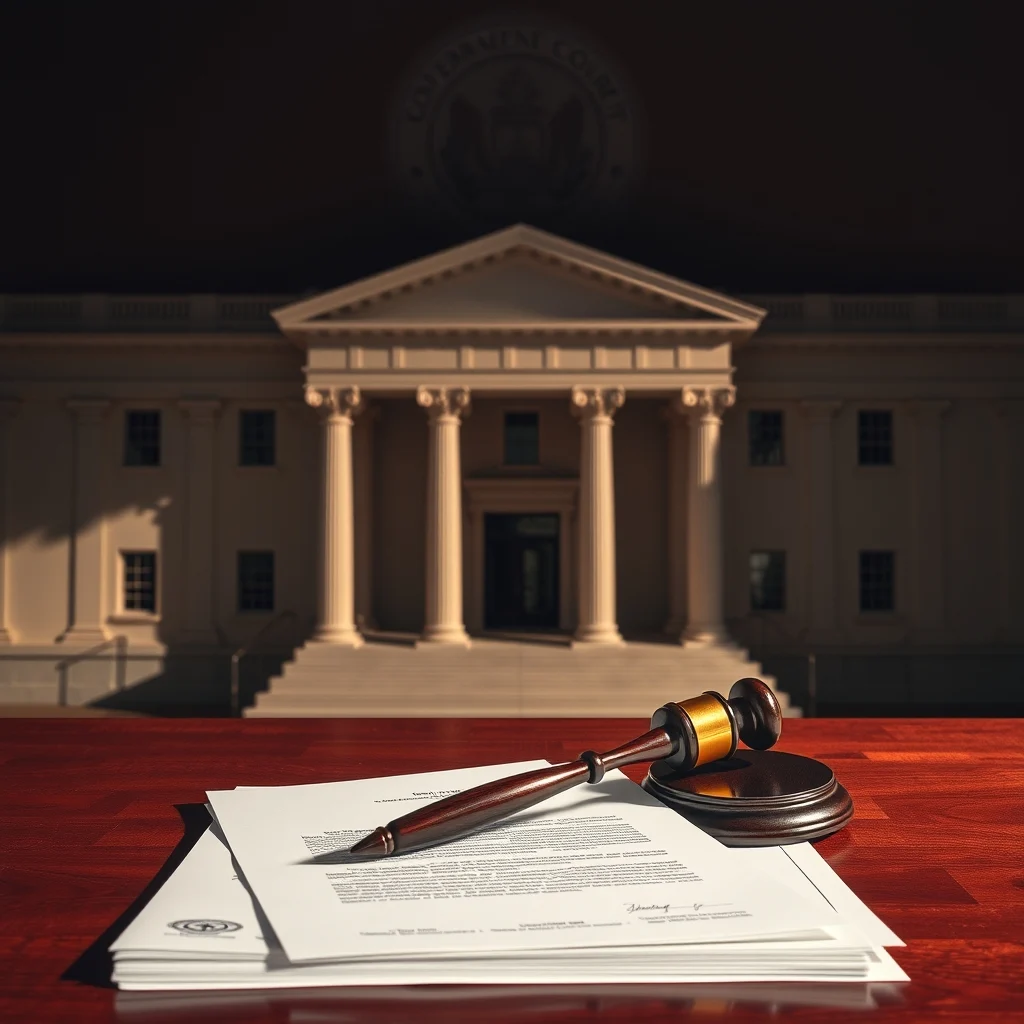
The Attorney General (AG) has initiated legal action against JA Plant Pool and its Executive Chairman, Joseph Siaw Agyepong, to reclaim an alleged overpayment of $2 million. This sum is reportedly linked to the District Road Improvement Programme (DRIP) contract.
Legal Action Commences
The lawsuit, currently before the courts, represents a significant step in the state’s broader campaign to recover public funds. These efforts are focused on contracts that have become subjects of dispute and potential financial irregularities.
Background of the DRIP Contract
The District Road Improvement Programme (DRIP) was established to enhance infrastructure in various districts, aiming to improve connectivity and facilitate economic activity. Such programs often involve substantial government expenditure and require rigorous oversight to ensure accountability and prevent financial mismanagement.
Contracts awarded under these programs are typically subject to detailed terms and conditions, including payment schedules and performance metrics. Discrepancies in payments or performance can lead to contractual disputes and, in some cases, legal challenges.
Allegations of Overpayment
The Attorney General’s suit specifically alleges that JA Plant Pool received an excess payment amounting to $2 million. The precise nature of this overpayment, whether due to billing errors, unfulfilled contractual obligations, or other factors, is expected to be detailed in court proceedings.
Recovering such funds is crucial for maintaining public trust and ensuring that taxpayer money is used efficiently and appropriately. The AG’s office plays a vital role in safeguarding state resources through legal means.
Broader Context of State Recovery Efforts
This case is not isolated but forms part of a wider strategy by the government to scrutinize past and present contracts. The aim is to identify and recover any public funds that may have been improperly disbursed or lost due to contractual disputes or alleged malfeasance.
Such recovery efforts often involve complex investigations into financial records, contractual agreements, and project execution. They highlight the challenges in managing large-scale public projects and the importance of robust auditing and legal frameworks.
Implications for JA Plant Pool and the Construction Industry
For JA Plant Pool and Joseph Siaw Agyepong, this lawsuit carries significant implications. It could lead to financial penalties, reputational damage, and potential restrictions on future government contracts, depending on the court’s ruling.
The construction and infrastructure sector, which relies heavily on government contracts, will be watching this case closely. It underscores the heightened scrutiny on contract management and financial accountability within the industry.
What to Watch Next
The upcoming court proceedings will likely reveal more details about the specifics of the DRIP contract and the basis for the AG’s claim of overpayment. Observers will be keen to see the evidence presented by both sides and the legal arguments put forth.
The outcome of this case could set a precedent for how similar contractual disputes involving public funds are handled in the future, potentially influencing contract negotiation, oversight, and enforcement practices across government projects.







Leave a Reply