

Economic Freedom Fighters (EFF) leader Julius Malema has criticized Ghana’s reaction to recent tensions involving Ghanaian nationals in South Africa, stating on May 28, 2026, that the response was “not necessary at that moment” and risked escalating an already sensitive situation. Malema argued that Ghana’s approach could create negative perceptions and deepen divisions, potentially leading to unfair stigmatization and complicating law enforcement efforts.
Context of Diplomatic Tensions
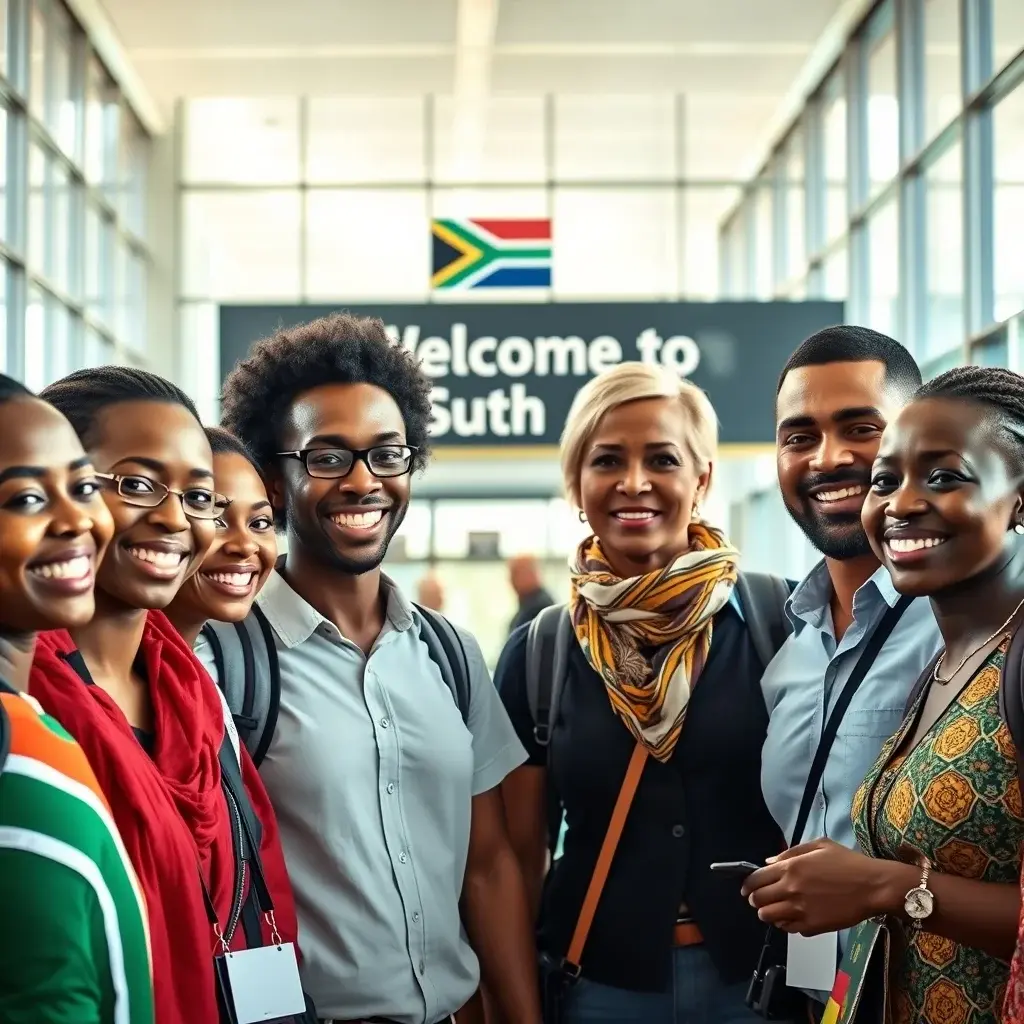
Malema’s remarks come amid ongoing diplomatic engagement and public debate surrounding reported incidents of xenophobic attacks in South Africa. The Ghanaian government had pledged to facilitate the voluntary evacuation of its nationals who wished to return home following these alleged attacks.
This situation has placed a strain on bilateral relations and sparked discussions about migration policies and the treatment of foreign nationals within South Africa. Malema’s comments add a significant voice to the discourse, coming from a prominent opposition figure.
Malema’s Critique of Ghana’s Approach
Speaking to the press, Malema expressed concern that Ghana’s reaction was not conducive to fostering dialogue and diplomatic engagement.
He suggested that a more measured, diplomatic handling would have allowed South African authorities the necessary space to manage the situation on the ground effectively.
“We don’t think Ghana responded in a manner that really enforces dialogue and diplomatic engagement. It actually creates a very bad, extreme situation,” Malema stated, according to SABC News.
He warned that such narratives could unfairly stigmatize sections of South African society and hinder the work of law enforcement agencies attempting to de-escalate tensions.
Stakeholder Engagement and Protection Measures
Malema revealed that South African authorities are actively engaging with various stakeholders to stabilize the situation and ensure the protection of affected Ghanaian nationals.
He urged the government to be given time to address the issues internally.
“We are persuading government to still act on this, and we are saying they must give us time,” he said.
Malema emphasized that legally documented Ghanaian migrants who feel unsafe should feel empowered to approach South African law enforcement agencies for protection without fear.
“Those that feel safe, especially the legally documented Ghanaians, should be able to run to the police station for safety, and they will be directed to rightful places where they will be secured,” he explained.
Accounts from Affected Individuals
The EFF leader referenced accounts from individuals affected by the tensions, including a Ghanaian woman who reportedly described mistreatment and a perceived lack of police intervention in certain incidents.
Malema acknowledged the emotional weight of these experiences for many of those affected.
“This is an emotional issue for many of them, and I understand that,” he noted.
However, he reiterated his stance that Ghana’s governmental response should have been delayed to allow South African authorities a clearer path to address the matter internally and prevent further escalation.
“We think the reaction from the Ghana government should have been postponed a bit to give us the opportunity to deal with what is happening here in South Africa,” Malema concluded.
Implications and Future Outlook
Malema’s comments highlight the delicate balance required in managing international relations during periods of internal social unrest. His critique suggests a potential divergence in strategies between the two nations regarding the handling of xenophobic incidents and the protection of foreign nationals.
The situation underscores the ongoing challenge South Africa faces in addressing xenophobia and ensuring the safety of migrants within its borders. The effectiveness of diplomatic engagement versus more assertive national responses will likely remain a key point of discussion.
Moving forward, observers will be watching to see how diplomatic channels evolve between South Africa and Ghana, and whether Malema’s call for patience and internal resolution impacts the ongoing engagement. The ability of South African authorities to demonstrably protect foreign nationals and address the root causes of xenophobia will be crucial in de-escalating tensions and rebuilding trust.



Leave a Reply