
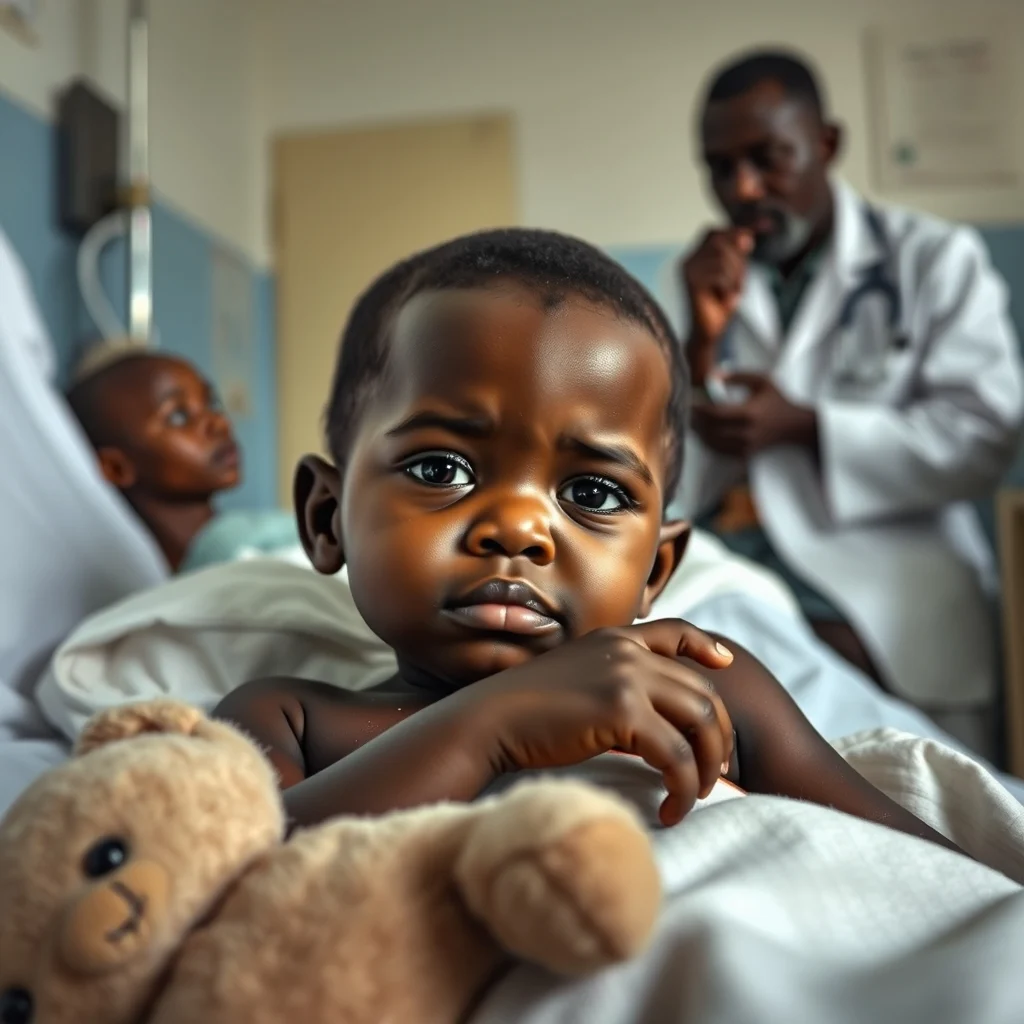
Ghana is grappling with a severe crisis in pediatric kidney care, as a critical shortage of specialized doctors and essential medical equipment hinders timely treatment for young patients, particularly those with end-stage kidney disease. This situation, highlighted by health experts, leaves a significant portion of the nation’s most vulnerable children without access to life-saving interventions.
A Dire Specialist Deficit
The country, with a population exceeding 33 million, currently boasts only four pediatric nephrologists. This acute scarcity forces the overwhelming majority of complex pediatric kidney cases to be managed at just three major tertiary hospitals: Korle Bu Teaching Hospital, Komfo Anokye Teaching Hospital, and the University of Ghana Medical Centre (UGMC).
The immense pressure on these already strained facilities is escalating due to the concentrated patient load. While training programs are in motion to increase the number of specialists, experts caution that the current output is insufficient to meet the escalating demand for care.
The Plight of End-Stage Kidney Disease Patients
Dr. Beatrice Nyann, Head of Pediatric Nephrology at UGMC, emphasized the profound concern surrounding the treatment gap for children with end-stage kidney disease. Although pediatric cases are less frequent than adult cases, the lack of specialized care for even a few dozen affected children is a critical issue.
“There’s still a big gap when it comes to younger children with end-stage kidney disease. The numbers are not as huge as the adults, but even if it is 25 or 35 patients, they should get that care,” Dr. Nyann stated.
Limited Access to Advanced Treatment Options
Dr. Nyann highlighted that UGMC is actively seeking innovative solutions to address the care deficit. One area of exploration includes the potential introduction of advanced, automated dialysis machines.
However, the adoption of such technologies faces significant hurdles. “In developed nations, portable or nocturnal dialysis systems allow children to undergo life-saving treatment at home during the night, enabling them to maintain normal daytime activities and attend school. However, such advanced options remain strictly limited in Ghana,” she noted.
The reliance on traditional, less flexible dialysis methods can disrupt children’s education and overall quality of life, exacerbating the challenges associated with chronic illness.
Broader Implications for Ghana’s Future
With a substantial segment of Ghana’s population comprising children and young individuals, persistent gaps in pediatric kidney care could have lasting repercussions on the nation’s future health landscape. Early and effective intervention is crucial for managing chronic conditions and ensuring long-term well-being.
The strain on existing resources and the limited availability of specialized care raise concerns about the long-term health outcomes for a generation of Ghanaian children. Addressing this crisis requires a multi-faceted approach, including accelerated specialist training, investment in essential medical equipment, and exploring cost-effective, innovative treatment modalities.
Looking Ahead: What to Watch
The coming years will be critical in determining Ghana’s ability to bolster its pediatric kidney care infrastructure. Key developments to monitor include the success of ongoing training initiatives, the feasibility of acquiring and implementing advanced dialysis technologies, and potential government or international partnerships aimed at improving access to specialized pediatric healthcare. The trajectory of these efforts will significantly impact the health and future potential of Ghana’s youngest citizens.








Leave a Reply