

The Municipal Chief Executive (MCE) for Weija-Gbawe, Felix Odartey Lamptey, has expressed strong concern over the lack of prior notification from the Ghana Water Company Limited (GWCL) regarding the recent spillage of the Weija Dam. This absence of early warning, he stated on Adom FM’s Dwaso Nsem morning show, significantly hampered the Municipal Assembly’s ability to prepare and adequately alert residents, contributing to the extensive flooding experienced in the area. The spillage commenced on Wednesday evening, with a volume of water exceeding expectations inundating local communities.
Lack of Communication Hinders Preparedness
MCE Lamptey emphasized that the Municipal Assembly was caught off guard by the dam spillage. “We were not given any prior notice, so we could not prepare adequately as a municipal assembly,” he stated, contrasting the current situation with previous years where better collaboration and early warning systems were reportedly in place.
He further explained that the rapid increase in water levels was unexpected. “They opened the spillway and suddenly saw water entering houses. It was not expected to rise to that level so quickly,” Lamptey observed. His attempts to engage with GWCL officials when the situation escalated proved difficult, as he was informed the responsible manager was unavailable.
Emergency Response Underway
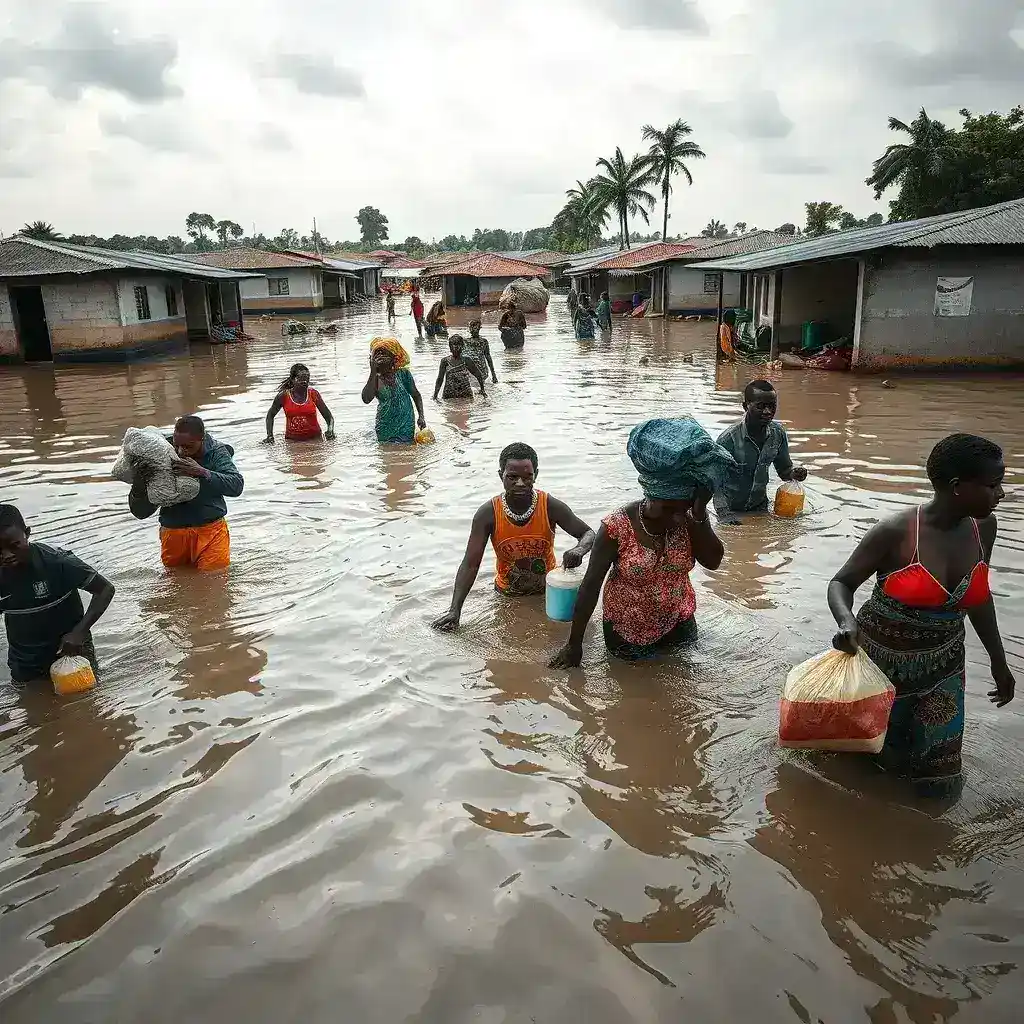
In response to the crisis, emergency response measures have been activated to assist affected residents. Small boats have been deployed to evacuate individuals, particularly those unable to swim, while vehicles are being utilized to transport residents and their belongings to safer locations, including local churches.
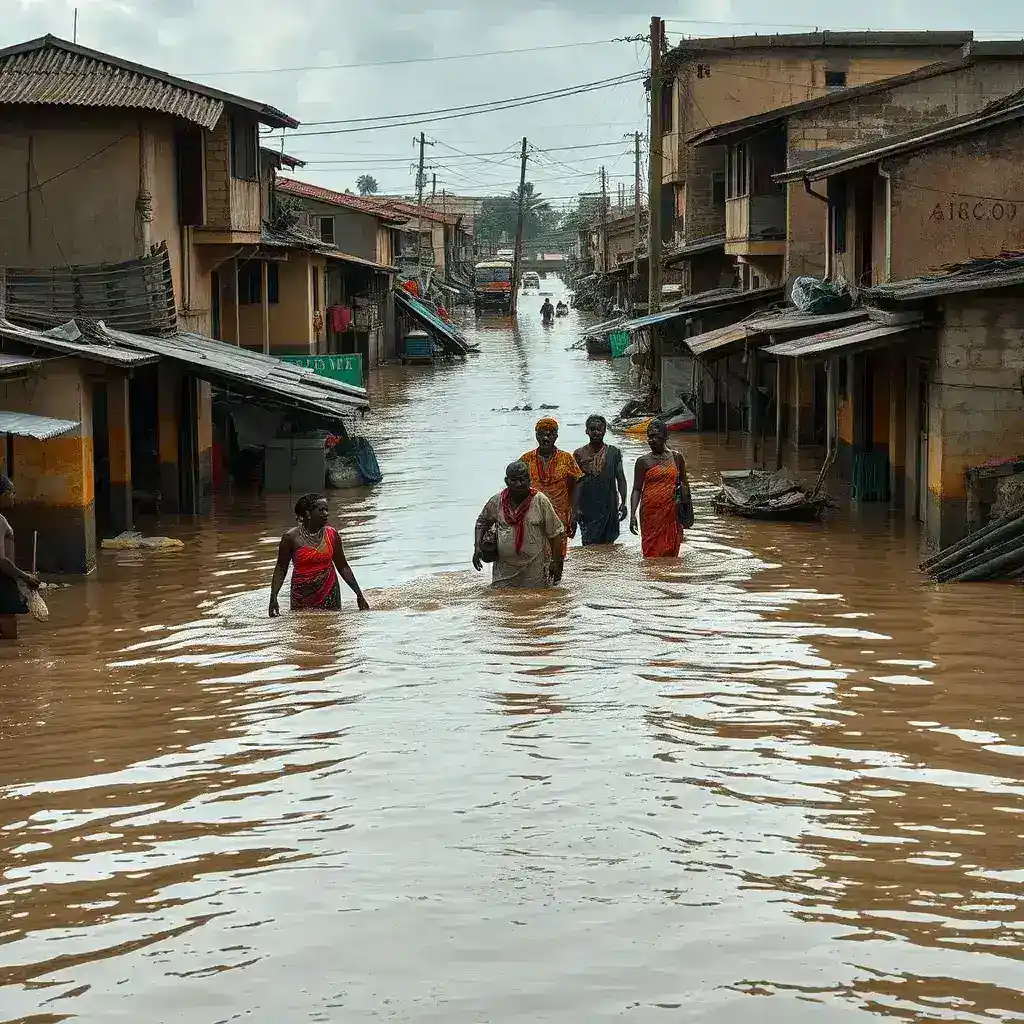
Assembly Members have been mobilized to support evacuation efforts and coordinate aid for displaced families. Despite these measures, hundreds of homes in low-lying communities within Weija in the Greater Accra Region have been submerged, forcing many residents to abandon their properties.
Broader Context of Dam Management
The Weija Dam, a critical component of Accra’s water supply and flood control infrastructure, has a history of managed spillages. These operations are typically coordinated to release excess water during periods of heavy rainfall, preventing catastrophic structural failure of the dam itself. However, the effectiveness of these spillages hinges on timely communication with downstream communities and local authorities.
Historically, the GWCL has been responsible for monitoring water levels and initiating controlled releases. The success of these releases in mitigating flood damage relies heavily on pre-emptive actions by local government and disaster management agencies, which requires advance notice of any impending spillage.
Impact on Residents and Infrastructure
The immediate impact on residents has been severe, with widespread displacement and loss of property. Families have been forced to seek shelter elsewhere, relying on emergency services and community support for immediate needs. The economic repercussions of such widespread flooding can also be significant, affecting livelihoods and requiring substantial resources for recovery and rebuilding.
The unannounced spillage highlights potential systemic issues in disaster preparedness and inter-agency communication. While the GWCL’s primary mandate is water management, its actions have direct and critical implications for public safety and emergency management in surrounding areas.
Looking Ahead: Improving Early Warning Systems
The incident underscores the urgent need for robust and reliable early warning systems. For communities living downstream of major dams like Weija, timely information is not just a convenience but a crucial element of safety. The Weija-Gbawe Municipal Assembly’s concerns point to a gap in the current communication protocols between GWCL and local governance structures.
Moving forward, stakeholders will likely focus on enhancing collaboration and establishing clearer protocols for dam spillage notifications. This includes defining communication channels, response times, and responsibilities to ensure that both authorities and residents are adequately prepared for such events. The effectiveness of these improvements will be a key factor in mitigating future flood risks in the Weija-Gbawe municipality and other areas reliant on dam water management.







Leave a Reply