
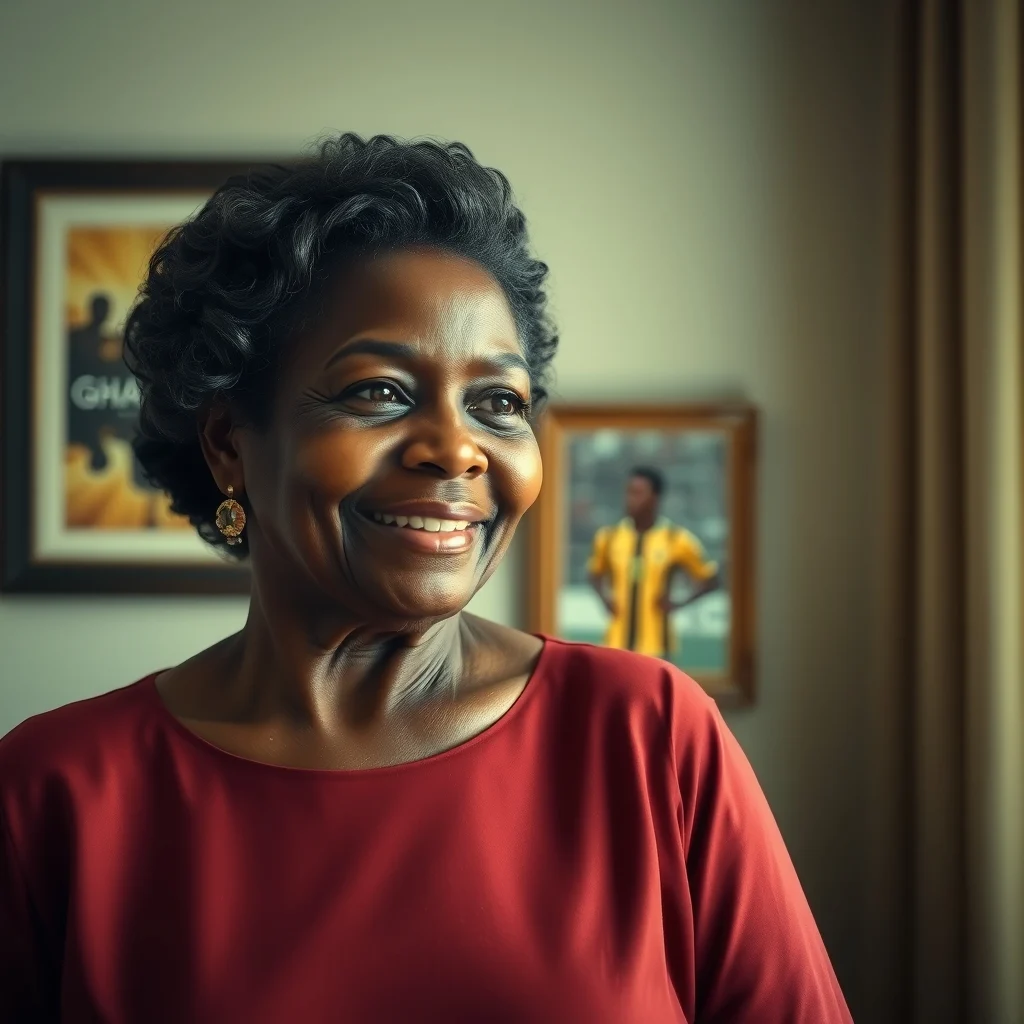
Dela Dzebu, mother of Ghanaian international Antoine Semenyo, recently shed light on the significant emotional hurdles faced by parents raising footballing talents in the diaspora, particularly concerning decisions about national team representation. Speaking at a public event, Dzebu emphasized the resilience required from these parents and encouraged them to inspire their children to represent Ghana.
The Dual Nationality Dilemma
The decision for a young athlete to represent one nation over another, especially when holding dual nationality, is often fraught with complex emotions and external pressures. Dzebu described this process as emotionally taxing, highlighting the unique challenges of navigating cultural identities and national allegiances from abroad.
“The emotional journey is difficult, but you don’t stop. It’s been resilient. Knowing that being in the diaspora and knowing what happens on the streets around us — trust me, it’s hard,” she stated, underscoring the difficult environment diaspora families often contend with.
Semenyo’s Choice: Roots Over Opportunity
Dzebu recounted a pivotal moment in her son Antoine Semenyo’s burgeoning career. Semenyo, who was eligible to play for both England and Ghana, sought his mother’s counsel on his international future. The conversation revealed the deep-seated connection to heritage that can sway such significant decisions.
Initially, Semenyo questioned the choice, asking, “If nothing works, why do I have to play for Ghana?” This question pointed to a perceived disparity in infrastructure and opportunity between the two nations.
Dzebu’s response centered on identity, pride, and a sense of belonging. She articulated the profound difference between playing football in the UK and Ghana. “Football in the UK, for me, is about the boots. Football in Ghana is about blood; it’s about pride, it’s about legacy, it’s about your roots,” she explained.
The Pride of Representation
The emotional impact of seeing her son don the Ghanaian national team jersey for the first time was profound. Dzebu described the feeling as inexpressible, a moment of immense pride and fulfillment.
“As a parent, what you feel when he wears his jersey for the first time and the crowd is roaring — you cannot put it into words. It’s amazing,” she shared.
Encouraging Heritage and Resilience
Dzebu’s message extended to all parents in similar situations, urging patience and persistence in fostering a connection to their Ghanaian heritage among their children. She stressed that encouraging them to represent their roots is a decision they will not regret.
“You just need to encourage your kids. Listen, you will never regret it. It’s amazing on a very grand scale,” she advised.
Broader Implications for National Teams
Dzebu’s candid reflections come at a time when many African nations, including Ghana, are actively seeking to leverage their diaspora talent pool. The Black Stars, in particular, have seen a number of dual-nationality players switch their allegiance in recent years.
This trend highlights the ongoing efforts by national football associations to identify, connect with, and persuade players born or raised abroad to represent their ancestral nations. The success of these efforts often hinges on fostering a strong sense of identity and belonging, as Dzebu eloquently described.
What to Watch Next
As more young talents emerge globally with connections to various nations, the emotional and cultural considerations highlighted by Dzebu will likely become even more prominent. The ability of national federations to not only offer opportunities but also to connect players with their heritage and provide a supportive environment will be crucial. Future success for teams like the Black Stars may depend on understanding and addressing the nuanced journeys of diaspora athletes and their families.





Leave a Reply