
Tennis icon Rafael Nadal has revealed the extraordinary physical sacrifices he endured throughout his illustrious career, detailing how chronic pain and injury management were constant companions on his path to winning 22 Grand Slam singles titles. Speaking in a new Netflix series, the 39-year-old Spaniard disclosed that he often operated on the “borderline” of health risks to maintain his competitive edge, estimating he might have won 10 to 12 fewer Grand Slam titles had he prioritized his well-being over his passion for the sport.
The Origin of the Struggle: Mueller-Weiss Syndrome
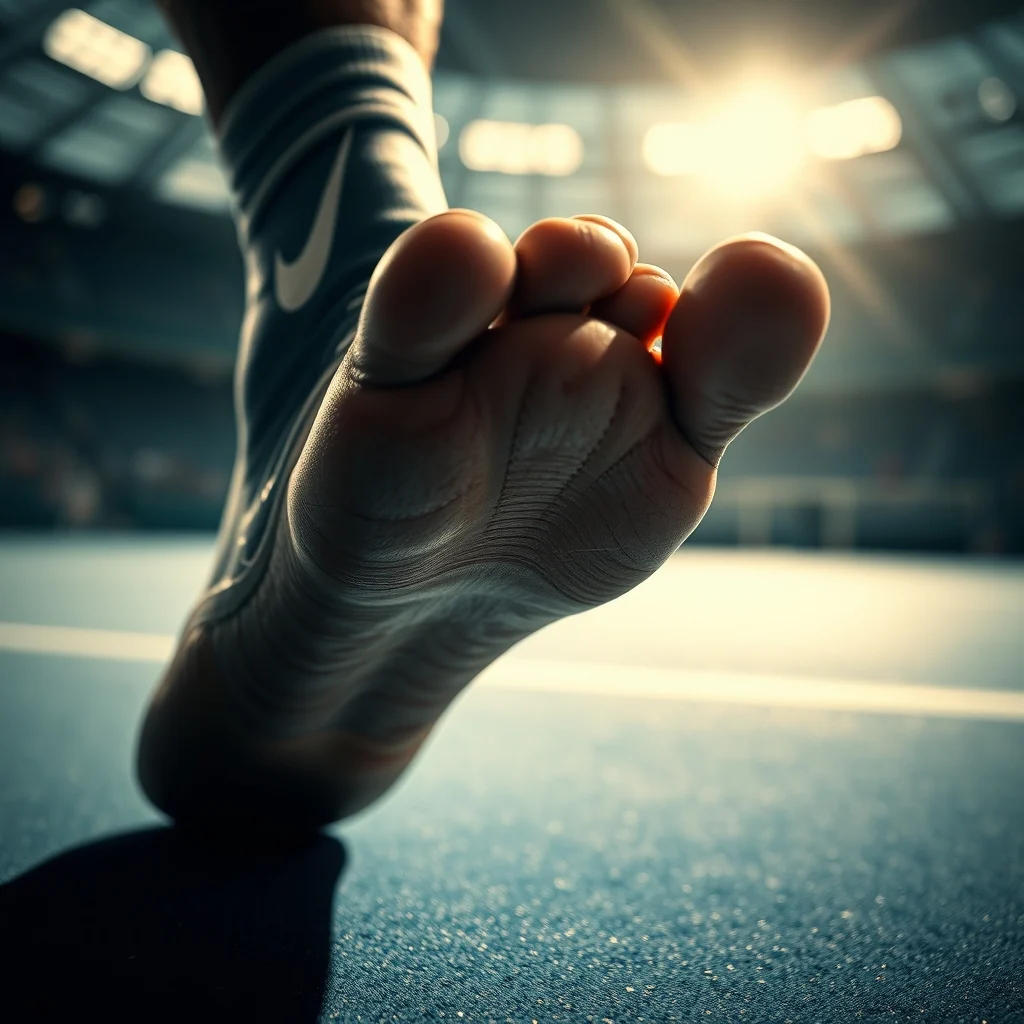
Nadal’s injury woes began in earnest in 2005, the same year he announced his arrival on the world stage with his first French Open victory. Shortly after winning the Madrid Open final that year, he sustained a left foot injury that led to a diagnosis of Mueller-Weiss syndrome, a rare and degenerative condition.
This diagnosis marked the “origin of all my problems,” Nadal stated, explaining that the condition stemmed from “abnormal forces that act on an immature bone,” likely exacerbated by his intense childhood training. The prognosis was dire, with fears he might never play tennis again.
However, with the aid of a specialist insole, Nadal found a way to continue competing, albeit living in constant pain. “Tennis became a race against time,” he reflected, never knowing how long his foot would allow him to play. This uncertainty fueled a drive to seize every opportunity, believing each year might be his last.
A Cascade of Injuries and Risky Decisions
The specialized insole, while enabling him to play, inadvertently caused a cascade of other physical issues. In 2012, Nadal was forced to withdraw from major tournaments, including the London Olympics and the US Open, due to severe left knee tendinitis. “My knee was destroyed. The tendon basically had a hole in it,” he described.
His body was significantly out of alignment due to the constant reliance on the insole. In 2013, against medical advice, Nadal competed in the Indian Wells tournament. He utilized anesthetics to manage his knee pain, ultimately winning the event.
That remarkable year saw him win nine more tournaments, including the French and US Opens, reclaiming the world No. 1 ranking. However, the extensive use of anti-inflammatories to combat his knee pain led to further health complications, including “two small perforations in my intestines.”
Playing Through Numbness: The 2022 French Open
Perhaps the most striking example of Nadal’s pain tolerance occurred at the 2022 French Open. Facing extreme foot pain, he requested Dr. Angel Ruiz-Cotorro to numb the sensory nerve in his foot with targeted anesthetic injections. He played the remainder of the tournament with a numb foot, a condition that did not deter him from winning a record 14th Roland Garros title, his final Grand Slam victory.
The sheer determination and physical extremes were not lost on observers. Seven-time Grand Slam champion John McEnroe famously remarked, “He doesn’t feel his foot, and he’s winning this? What are you going to tell me next? He’s going to play blindfolded, and he’s going to win it, too?”
The Mental Battle and Seeking Psychological Support
Nadal’s relentless drive was shaped from an early age. Coached by his uncle Toni, who employed a tough-love approach, Nadal was conditioned to “learn to suffer.” This included instances like being denied water during training and being encouraged to play through injuries as a child.
Physio Rafael Maymo noted, “I think he likes to suffer, with the intention of overcoming that suffering.” This mentality, however, contributed to compulsive behaviors under pressure, leading Nadal to seek professional psychological help.
He described a period where he couldn’t swallow without a bottle of water in his hand, fearing he would choke. Recognizing it as anxiety, he struggled to find a solution until a psychiatrist suggested it stemmed from years of high demand and constant stress.
A Shift in Perspective and a Resilient Finish
This psychological journey led to a restructuring of his coaching team, with Carlos Moya joining in 2016. Nadal explained that while his relationship with his uncle Toni remained professional, he needed to “hear a different message.” This shift coincided with a period of significant success.
Between 2017 and his retirement in 2024, Nadal secured another eight Grand Slam titles. He characterized these later years as experiencing “a little more sense of freedom,” suggesting a newfound balance between his competitive spirit and his physical well-being, even as he continued to push the boundaries of human endurance.
What’s Next for Nadal and the Sport?
Nadal’s candid revelations offer a profound look into the dedication required at the pinnacle of professional sports. His story underscores the often-invisible battles athletes face and the complex relationship between ambition, pain, and longevity. As tennis fans reflect on his unparalleled career, his journey prompts a broader conversation about athlete welfare, the long-term consequences of pushing physical limits, and the mental fortitude necessary not just to win, but to endure.










Leave a Reply