
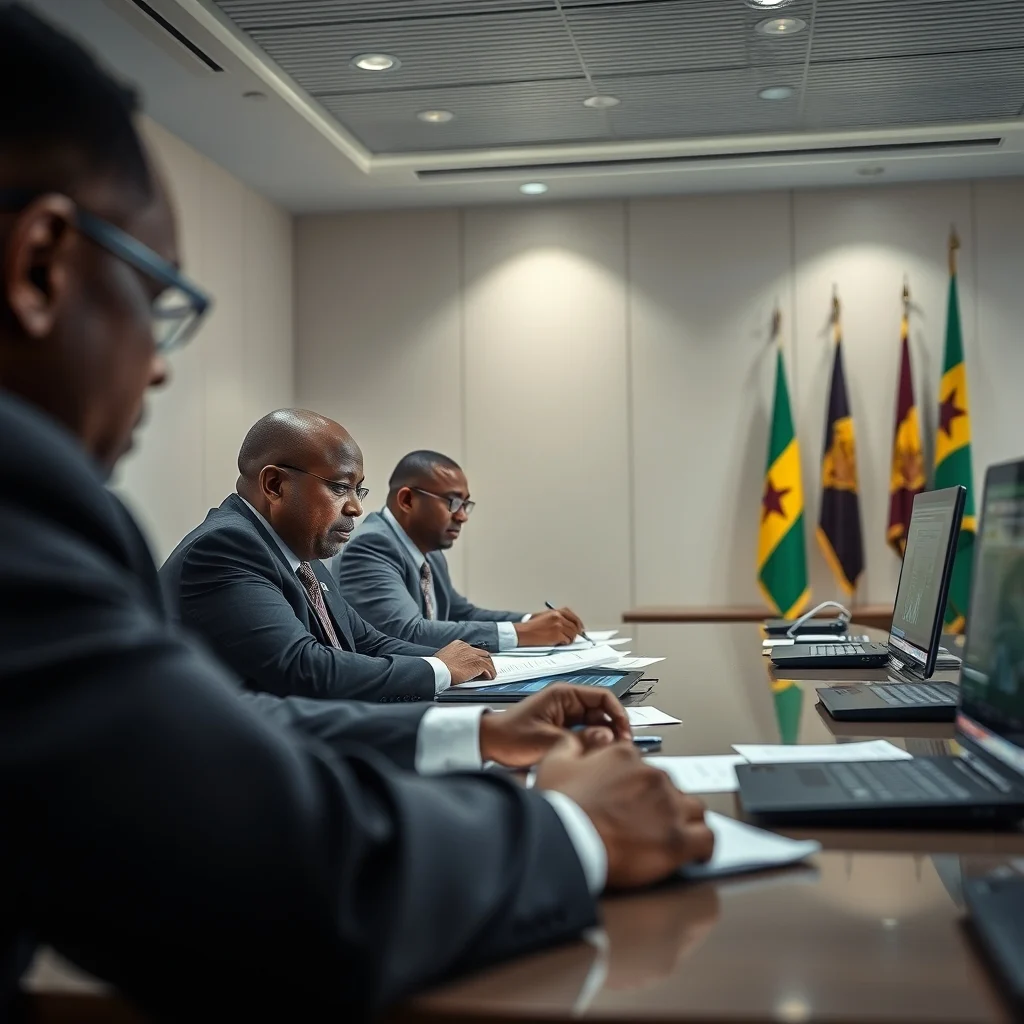
Accra, Ghana – May 20, 2026 – All six voting members of the Bank of Ghana’s Monetary Policy Committee (MPC) unanimously decided to maintain the policy rate at 14% during their May 18-20 meeting. The decision stems from concerns over the evolving inflation outlook, particularly influenced by geopolitical developments in the Middle East and potential domestic cost pressures.
Economic Crossroads: Inflation Outlook Dominates MPC Discussions
The MPC convened to assess Ghana’s economic performance over the preceding two months. A key takeaway from their deliberations, detailed in the Monetary Policy Committee Decision Report, was a shared apprehension regarding the trajectory of inflation.
Several members expressed significant worry that inflation could breach the 10% mark by year-end if current global trends persist. This outlook prompted a cautious ‘wait and see’ approach, delaying any immediate adjustments to the policy rate.
This unanimous vote for a rate hold marks a significant consensus among the committee members, highlighting the gravity of the economic factors under consideration.
Geopolitical Ripples and Domestic Pressures
The ongoing developments in the Middle East emerged as a primary concern for the MPC. Members specifically cited the potential impact of these international events on Ghana’s inflation outlook, suggesting that global supply chain disruptions and commodity price volatility could translate into higher import costs for the nation.
Beyond external factors, internal economic pressures were also a point of discussion. One member’s submission highlighted potential increases in utility tariffs and transport fares as contributing factors that could further fuel inflation in the coming months.
These domestic cost-push factors, combined with global uncertainties, created a complex environment for monetary policy decision-making.
Economic Resilience vs. Future Uncertainty
Despite acknowledging the current strength of the Ghanaian economy, the MPC’s outlook was tempered by concerns about the future. The committee recognized that while the economy is in a robust position presently, the persistence of Middle Eastern developments could significantly alter this trajectory.
This duality – current stability versus potential future headwinds – underpinned the decision to maintain the status quo on the policy rate.
Understanding the MPC’s Structure
The Monetary Policy Committee of the Bank of Ghana comprises seven members. The Governor of the Bank of Ghana, Dr. Johnson Asiama, chairs the committee. Notably, the Governor does not cast a vote unless there is a tie in the committee’s decisions, in which case his vote becomes the deciding factor.
Implications for Consumers and Businesses
The decision to hold the policy rate at 14% suggests a period of stability in borrowing costs for businesses and consumers in the short term. However, the underlying inflation concerns signal potential future challenges.
Businesses may face continued pressure from rising import costs and operational expenses. Consumers could experience the impact of potential utility and transport fare hikes, alongside the broader effects of inflation on purchasing power.
The MPC’s cautious stance indicates a readiness to act if inflation trends worsen, meaning interest rates could rise in future meetings if external and domestic pressures intensify. Stakeholders will be closely monitoring upcoming economic data and geopolitical events to gauge the future direction of monetary policy.







Leave a Reply