
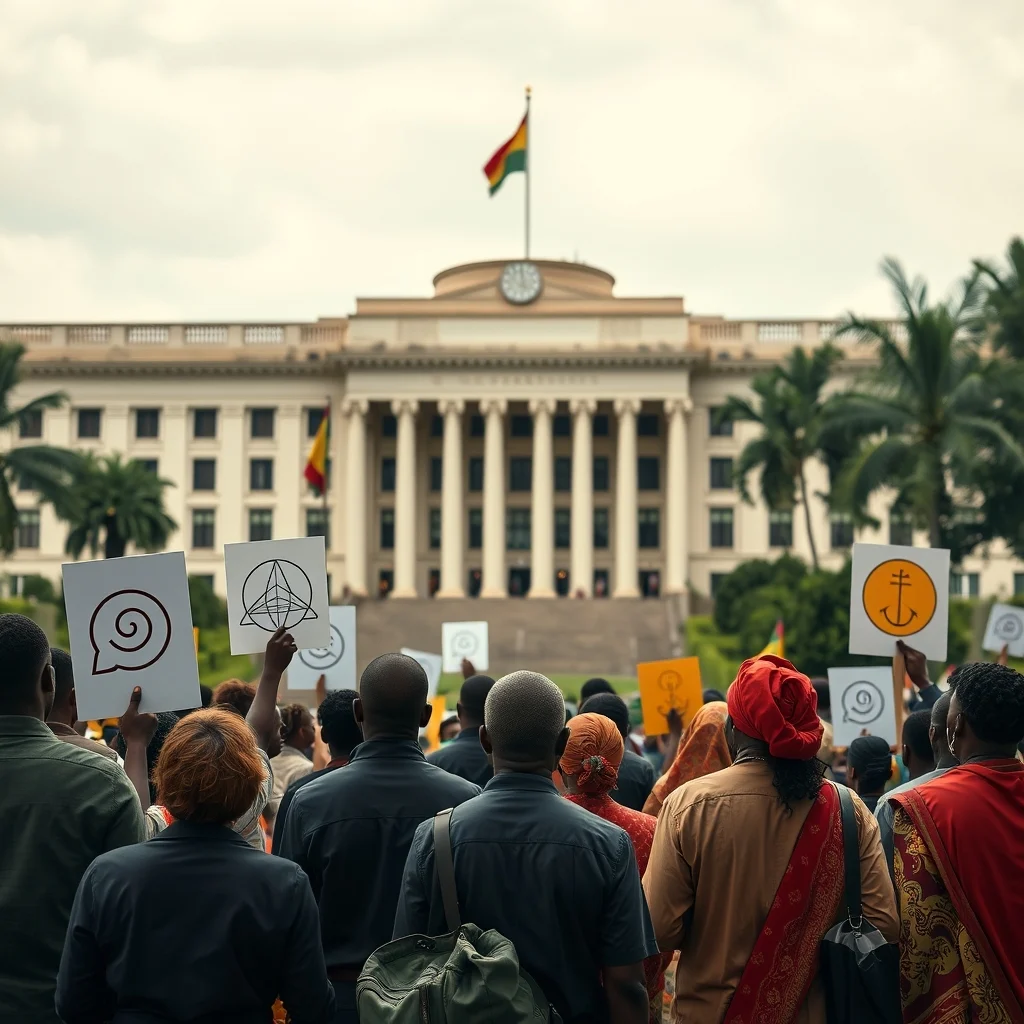
Accra, Ghana – In a significant legislative move, Ghana’s Parliament has passed the Promotion of Proper Human Sexual Rights and Ghanaian Family Values Bill, commonly known as the anti-LGBTQ+ Bill. This decision, made on Friday, May 29, signals a strong prioritization of the nation’s cultural, religious, and family values over potential financial repercussions from international partners, according to private legal practitioner Amanda Clinton.
Upholding Societal Norms
Speaking on Joy News, Ms. Clinton stated that lawmakers appeared resolute in their decision, willing to accept possible economic consequences to uphold what they perceive as the convictions of the majority of Ghanaians.
The Head of Chambers at Clinton Consultancy highlighted that Parliament’s vote sends a clear message both domestically and internationally. It underscores Ghana’s stance on morality, culture, and family life.
“So, although that is quite concerning, I think our parliamentarians have essentially sent a message to the international community, and locally that Ghanaian culture, religion and family values come first, despite this money, it comes before that money,” Ms. Clinton explained.
Context of the Bill
The passage of the anti-LGBTQ+ Bill comes after extensive debate and strong reactions from various stakeholders. These include religious organizations, traditional authorities, civil society groups, human rights advocates, and international development partners.
This legislation has emerged as one of the most contentious proposals in Ghana’s recent legislative history, reflecting deep-seated societal views on human sexuality and gender identity.
Potential Financial Repercussions
Concerns have been raised regarding the potential impact of the bill on Ghana’s relationship with international financial institutions, should it receive presidential assent and become law.
Ms. Clinton referenced warnings from economic managers about the possible effects on external financing arrangements.
“I think Ghana’s finance ministry said that, or warned, that if it becomes law, Ghana could risk losing about USD 3.8 billion in World Bank financing over five to six years and could affect the IMF programming,” she noted.
Despite these warnings, the overwhelming support for the bill in Parliament suggests that lawmakers prioritized the protection of Ghanaian social values above these potential financial costs.
Constituents’ Wishes and Freedoms
Critics of the bill argue that it may infringe upon freedoms guaranteed under Ghana’s Constitution, such as freedom of expression, association, and privacy.
However, Ms. Clinton posited that Parliament’s action was guided by what the lawmakers believe to be the wishes of their constituents.
“And although critics argue that, you know, it’s affecting freedom of expression, freedom of association, privacy, and it’s discriminatory, the parliamentarians are basically saying they are speaking for the majority in Ghana,” she stated.
This parliamentary vote highlights the ongoing tension between differing perspectives on human rights, cultural identity, and national sovereignty.
Awaiting Presidential Assent
The bill now awaits the next constitutional step: presidential assent. This is the final procedural requirement before it can officially become law.
“I think that’s just the next step for the president to assent to it and then it essentially becomes law,” Ms. Clinton said.
Implications and Future Outlook
The progress of this legislation is expected to continue drawing significant attention, both within Ghana and on the international stage. Key areas of focus will include its implications for human rights, governance practices, and Ghana’s crucial development partnerships.
For its supporters, the bill represents a victory in defending cherished Ghanaian cultural and family values. Conversely, opponents voice serious concerns about its potential impact on constitutional freedoms and the rights of minority groups.
As the nation awaits the President’s decision, the debate continues to fuel a broader conversation about the delicate balance between upholding national values, protecting individual rights, and navigating international expectations. What the President decides will set a crucial precedent for Ghana’s future engagement with these complex issues.










Leave a Reply